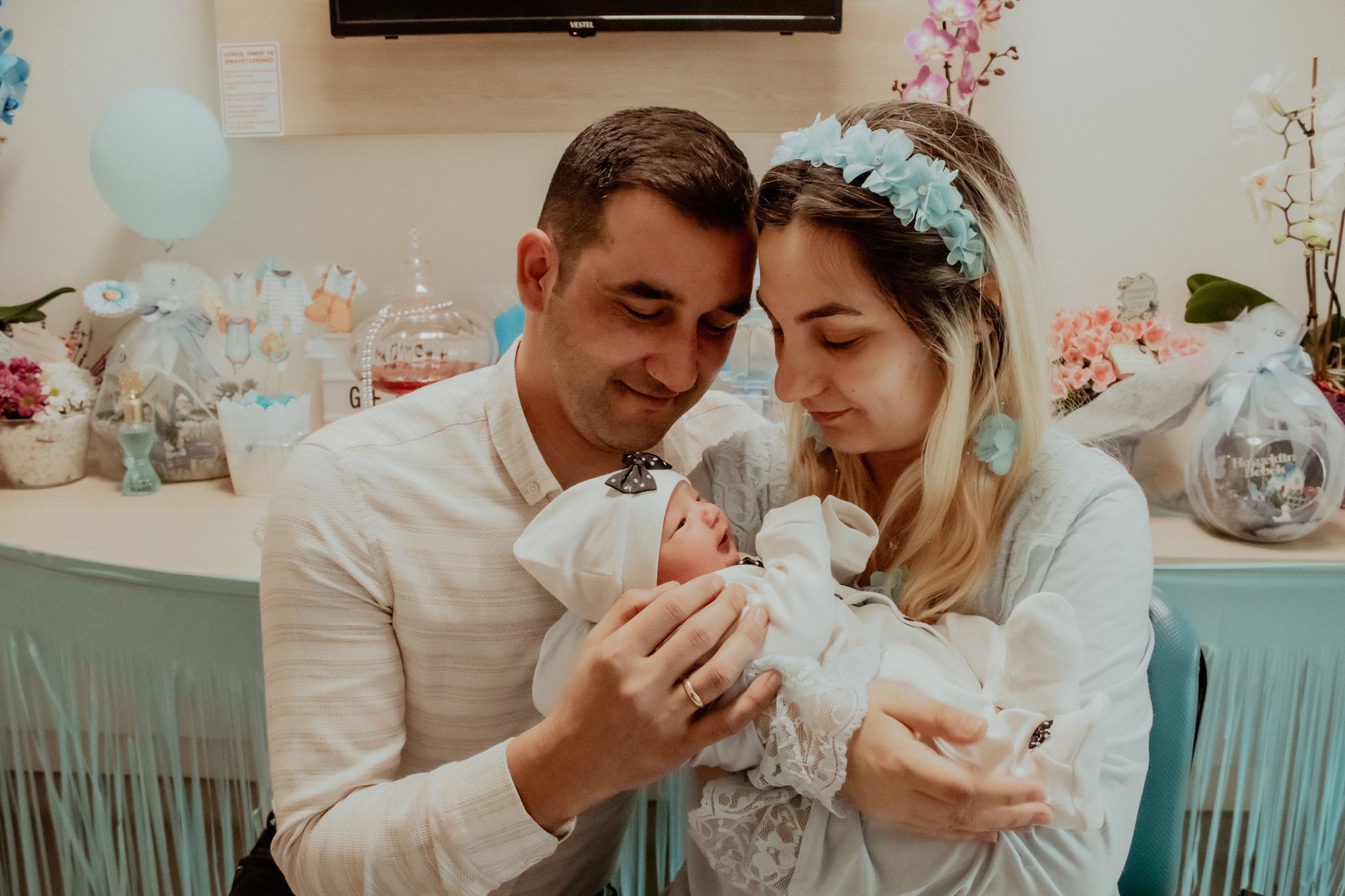
Premature Baby Development, Treatment in Turkey
The first months after premature birth are a period when the brain, lungs, feeding skills, and sensory system are monitored closely, as well as growth. The goal in this process is not only to see weight gain, but also to understand whether developmental milestones are progressing on time and safely.
In Turkey, planned developmental follow-up programs do not limit the post-neonatal intensive care period to a single check-up. Follow-up is structured with corrected age calculation, neurological assessment, a feeding plan, hearing and vision screenings, and physiotherapy support when needed.
- Development is assessed based on corrected age.
- Feeding tolerance, reflux, suck-swallow coordination, and weight gain are monitored.
- Neurodevelopmental milestones are evaluated in terms of motor skills, muscle tone, and social interaction.
- An online follow-up plan can be arranged for long-term monitoring.
How Is Safe Premature Baby Follow-Up Planned in Turkey?
In centers selected within the scope of health tourism, having a Health Tourism Authorization Certificate approved by the Ministry of Health of the Republic of Turkey is an important safety indicator. This certificate supports foreign families by standardizing communication, registration, follow-up, and medical coordination processes.
Premature baby follow-up can be carried out through a multidisciplinary model in which a neonatologist, pediatric neurologist, pediatric cardiologist, ophthalmologist, and, if needed, a physiotherapy team work together. Follow-up is planned in more detail especially for babies born between 28 and 32 weeks, those with a history of respiratory support, or those with conditions such as intraventricular hemorrhage, bronchopulmonary dysplasia, or feeding difficulties.
| Follow-up Area | What Is Assessed | Possible Specialist Support |
|---|---|---|
| Growth | Weight, height, head circumference | Neonatologist |
| Neurodevelopment | Muscle tone, reflexes, motor milestones | Pediatric neurology, physiotherapy |
| Nutrition | Breast milk, fortification, oral tolerance | Neonatology, diet counseling |
| Sensory screenings | Hearing and vision assessment | ENT, ophthalmology |
What Is Included in a Premature Baby Follow-Up Package?
Packages usually organize VIP transfer, family-friendly hotel accommodation, interpreter support, and initial care/medication information in a single flow. In premature baby follow-up, additional preparation is made before the appointment based on the gestational week at birth, discharge summary, intensive care history, and current feeding routine.
The most critical preparation specific to this topic is reviewing the baby’s gestational age at birth, corrected age, history of respiratory support, and any previous imaging or screening results in advance. This allows the time spent in Turkey to be turned from a single check-up into a 1–3 day intensive assessment or a longer follow-up plan based on actual needs.
Light Rest Options Suitable for an Accompanying Person
During the follow-up process, calm and regular activities that are not tiring for families are preferred. Hotel wellness areas, short seaside walks, quiet garden spaces, and child-friendly accommodation services provide rest without disrupting the treatment pace.
- Special diet menus within the hotel and room arrangements suitable for breastfeeding/pumping routines
- Short, low-paced cultural visits
- Quiet, easily accessible environment options for the accompanying person
Premature Baby Follow-Up Costs in Turkey, the UK, Germany, and the USA
In premature baby developmental follow-up, the cost varies depending on the number of check-ups, need for imaging, number of specialists, and length of follow-up. In Turkey, the average package cost can be planned in most centers between €350–€1,200; this amount may increase as the scope expands.
| Country | Average Cost | Currency |
|---|---|---|
| Turkey | €350–€1,200 | EUR |
| United Kingdom | £500–£1,800 | GBP |
| Germany | €450–€1,500 | EUR |
| USA | $700–$2,500 | USD |
This table reflects a typical health tourism plan that includes the initial assessment, specialist consultations, and basic screenings. The total cost increases when advanced neuroimaging, additional laboratory tests, or long-term physiotherapy are included.
Key Factors That Determine Price and Process
The most important factor affecting the price in premature baby follow-up is the physician’s experience in neonatology and neurodevelopment. A more senior team may be needed, especially in cases of very low birth weight, a long intensive care history, or accompanying complications.
- Physician expertise and case experience: Experience in post-neonatal intensive care follow-up, neurodevelopmental assessment, and family counseling affects the price.
- Technical approach and method: Corrected age tracking, Bayley-like developmental scales, hearing and vision screenings, and, if needed, cranial ultrasound or MRI planning change the cost.
- Clinic location: Access to multidisciplinary centers may be easier in major cities such as Istanbul, Ankara, and Izmir; this can affect package scope.
| Your Chronic Management Options | Impact on Daily Life Quality | Long-Term Benefits |
|---|---|---|
| Only periodic check-ups | Requires fewer visits in the short term | Developmental risks may be recognized late |
| Multidisciplinary follow-up + remote monitoring | Feeding, motor development, and sleep routine are supported more closely | Early intervention, more regular development, and a more predictable process for the family |
Remote follow-up is especially valuable in this field. Weight, feeding frequency, sleep routine, and developmental notes can be shared via a mobile app; if needed, the plan can be updated through an online visit.
Next Steps: What Questions Should You Ask?
After reading this page, the most rational question is which level of follow-up intensity is needed based on the baby’s current gestational age. The second important issue is which specialists at the center in Turkey can assess the baby on the same day.
- Based on the baby’s corrected age, which developmental milestones should be prioritized?
- At the first visit to Turkey, which screenings are truly necessary and which can be postponed?
- After returning home, how often and with what data should remote follow-up continue?
These questions naturally connect to subtopics such as premature baby developmental follow-up, neonatal follow-up, pediatric neurology, and physiotherapy. In this way, the process becomes not just a check-up, but a long-term and sustainable care plan.