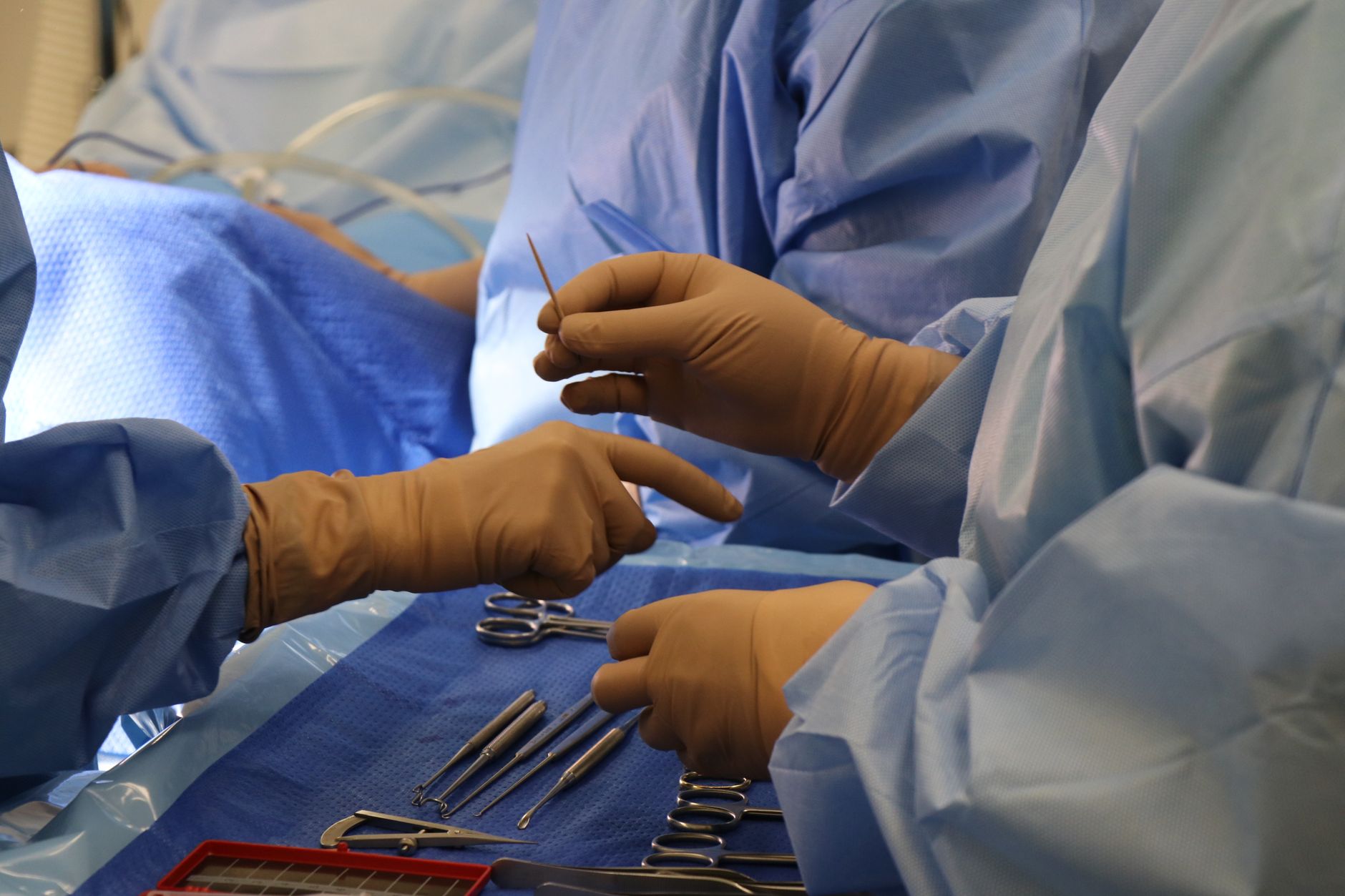
Surgical planning in endometriosis and chocolate cyst surgery
Endometriosis is a condition that develops when cells similar to the lining of the uterus grow in different areas of the body, and it often presents with pain, irregular periods, pain during intercourse, and sometimes infertility. Ovarian endometrioma, known as a chocolate cyst, is a specific form of this condition seen in the ovary, and advanced laparoscopic surgery aims to remove the cyst while preserving the surrounding tissue.
This page clearly summarizes how the process is planned for international patients considering treatment in Turkey, under what conditions it is applied safely, and which variables shape the cost. The goal is to make visible not only the name of the procedure, but also the preoperative assessment, hospital standards, and post-discharge follow-up steps when making a decision.
Safety standards for laparoscopic endometriosis surgery in Turkey
In Turkey, this procedure is planned in centers with a Health Tourism Authorization Certificate approved by the Ministry of Health, within fully equipped hospital infrastructure. Sterilization protocols, anesthesia safety, operating room equipment, and access to intensive care form the core safety framework of the process, especially in the presence of deep endometriosis or multiple cysts.
The case experience of Turkish obstetrics and gynecology specialists in endometriosis surgery becomes evident in steps such as laparoscopic cyst excision, adhesiolysis, preservation of ovarian tissue, and, when necessary, assessment of proximity to the bowel or bladder. For this reason, the procedure focuses not only on removing the cyst, but also on accurately mapping the source of pain at the anatomical level.
Key points assessed during evaluation
- Pelvic examination and detailed symptom history
- Transvaginal ultrasound and, when needed, MRI imaging
- Hormone tests that help assess ovarian reserve
- Previous surgeries, history of adhesions, and fertility plans
What is included in an endometriosis treatment package in Turkey?
In health tourism arrangements, VIP transfer, hotel accommodation, interpreter support, and the initial care/medication plan are coordinated under one roof. For advanced laparoscopic chocolate cyst surgery, preoperative imaging, anesthesia evaluation, and blood tests are also planned; in most cases, the stay in Turkey is organized so that it does not exceed a few days, including the surgery and the first follow-up visit.
Having your companion stay with you at the hospital, choosing a hotel close to the hospital, and having quiet walking areas nearby during rest periods make the process more manageable. While you rest after surgery, short city transfers, quiet café areas, or light wellness options may be preferred for your companion; this plan is arranged in line with surgical restrictions.
Preoperative preparation flow
- Re-evaluation of imaging results according to the surgical plan
- Anesthesia suitability check and laboratory tests
- Bowel preparation or additional specialist consultation if needed
- Clarifying fasting time on the day of surgery and the discharge plan
Cost comparison between Turkey, the UK, Germany, and the USA
For advanced laparoscopic chocolate cyst surgery, the average cost in Turkey is generally assessed in the range of €3,500–€6,500, depending on case complexity. When deep endometriosis, multiple cysts, adhesiolysis, or dissection of adjacent organs is required, the total cost may increase.
| Country | Average Price | Currency |
|---|---|---|
| Turkey | €3,500–€6,500 | EUR |
| United Kingdom | £6,000–£12,000 | GBP |
| Germany | €5,500–€10,000 | EUR |
| USA | $12,000–$25,000 | USD |
Common reasons for price differences
- Whether the surgery is planned for a single focus or for widespread endometriosis
- The energy device and dissection technique used in minimally invasive surgery
- The city where the hospital is located and the position of the surgical center
Clinical variables affecting the price and the process
The physician’s specialty and case experience are especially important for preserving ovarian tissue and performing safe dissection in areas with adhesions. Because endometriosis surgery requires more careful reading of anatomical boundaries than general laparoscopy, the surgeon’s experience in this field directly affects the process.
The method and materials used also affect the price; for example, standard laparoscopic instruments, bipolar energy systems, or advanced energy devices may be preferred for cyst excision. The clinic’s location is also important; operating room and accommodation costs may differ between reference hospitals in major city centers and centers in smaller cities.
- Physician expertise: Experience in endometriosis and advanced laparoscopy
- Method/materials: Cyst excision, adhesiolysis, energy device selection
- Location: City center access, transportation, and accommodation availability
Postoperative follow-up and the most rational next questions
After discharge, online follow-up is used for wound checks, pain level assessment, and interpretation of the pathology result. This approach keeps you in contact with the surgical team after you return to your country and helps plan a second opinion or additional imaging if needed.
3 most frequently asked questions
- To what extent can this surgery affect ovarian reserve, and which techniques are preferred to reduce this impact?
- If deep endometriosis is present, how are bowel or bladder evaluation and treatment planned in the same session?
- What timeline is followed for postoperative pain control, return to work, and online follow-up?
These questions help you evaluate the treatment decision not only by the day of surgery, but across the entire surgical journey. As fertility plans, cyst size, and extent become clearer, the most suitable center and surgical approach can be chosen more confidently.