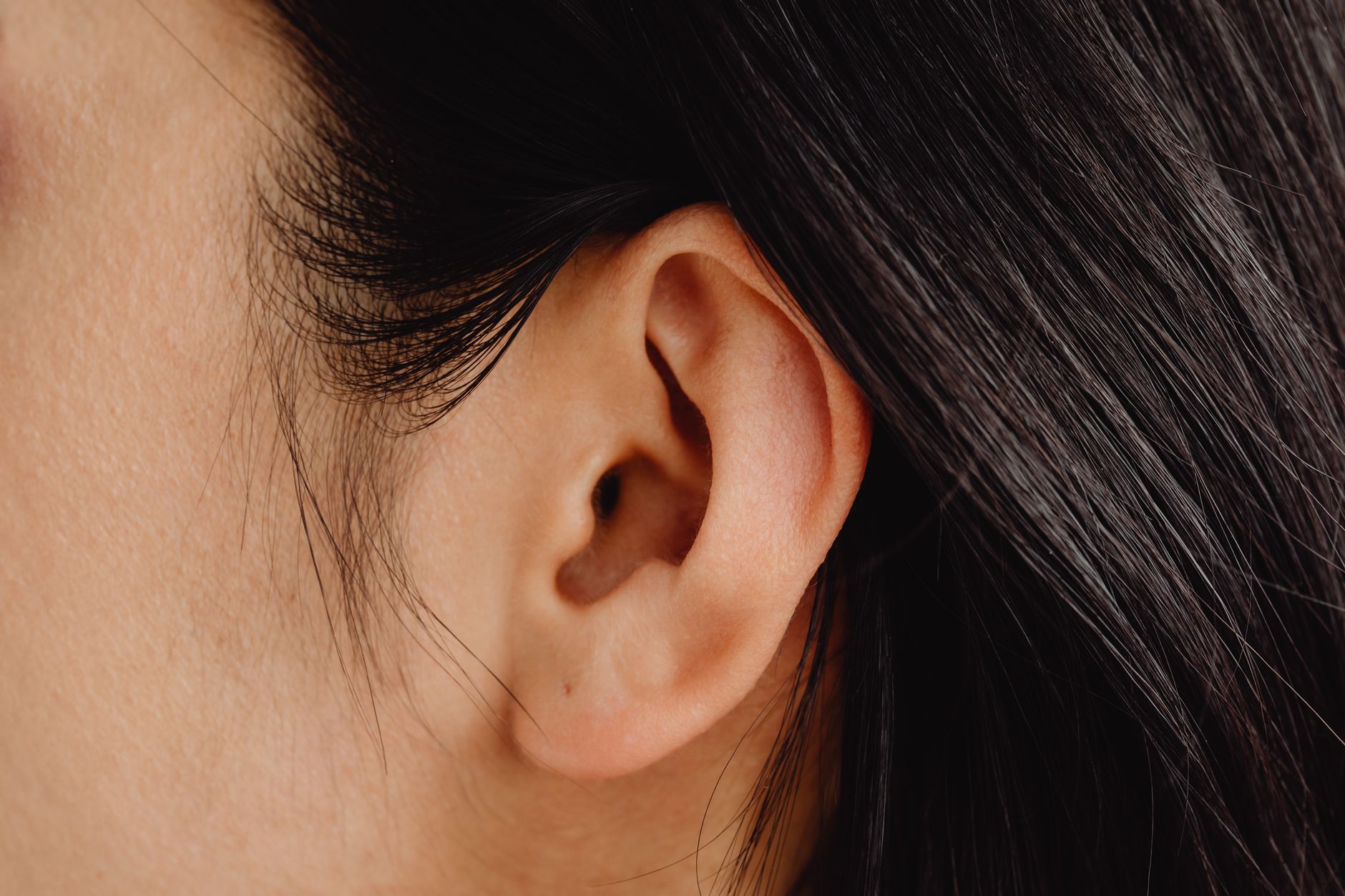
What Do Otoplasty Recovery and an Ear Band Involve?
Ear reshaping surgery is performed to reduce the appearance of prominent ears, adjust the angle of the ears in relation to the head, or correct differences in the shape of the ear cartilage. After otoplasty, the goal is not only to achieve a more natural appearance but also to preserve the new shape and allow the incisions to heal safely.
During the early recovery period, a dressing or head bandage that does not place pressure on the ears is used. This helps control swelling and protect the ears from folding forward during sleep. However, the duration of band use and the level of pressure must always be determined according to the operating surgeon’s instructions.
Surgical Safety Standards for Otoplasty in Turkey
When planning otoplasty in Turkey as part of medical tourism, check that the procedure will be performed at a healthcare facility holding a Health Tourism Authorization Certificate issued by the Ministry of Health. This certificate concerns the facility’s authorization to provide international health tourism services; the surgeon’s specialist credentials, the hospital’s operating room conditions, and the follow-up plan should also be evaluated separately.
Turkish plastic, reconstructive, and aesthetic surgery specialists may use techniques such as suture-based reshaping, cartilage weakening, cartilage excision, or a combination of these methods during otoplasty. During your consultation, you can ask directly about the surgeon’s case experience with pediatric and adult otoplasty, their approach to cartilage reshaping, and their plan for cases that may require revision.
- The clinic’s Health Tourism Authorization Certificate and information about the hospital where the surgery will be performed should be verified.
- During the preoperative examination, the ear angle, cartilage flexibility, asymmetry, and incision plan should be assessed.
- The dates of postoperative check-ups, when the dressing will be removed, and how long the night band should be used should be provided in writing.
- If severe pain, rapidly increasing one-sided swelling, active bleeding, fever, or significant discharge from the wound occurs, contact the healthcare facility without delay.
Recovery Planning in an Ear Aesthetic Surgery Package
A medical tourism package may include airport or hotel-to-hospital VIP transfers, accommodation, interpreter support, and basic coordination for the initial care period. Check the scope of services and any additional fees in the written quotation. The length of stay in Turkey for otoplasty is generally planned to include the first follow-up appointment, and many programs consider approximately 5–8 days.
Before surgery, a general health assessment, an anesthesia consultation, and any necessary blood tests may be performed in addition to the ear examination. The flight date should be determined by considering the condition of the dressing, the follow-up examination, and the surgeon’s approval for travel. Particularly on long flights, plans should be made to prevent impact to the head, avoid pressure from the seatbelt on the ear area, and restrict physical activity during the first few days.
Recovery Timeline from the First Days to the Final Appearance
- First 24–48 hours: A compression dressing around the ears, swelling, and bruising may occur. Do not remove the dressing yourself; wait for the first check-up at the clinic.
- First week: The incisions and sutures are checked. Depending on the suture material used, the removal process or natural dissolution time may vary.
- Weeks 2–3: Swelling and discoloration decrease. Returning to desk-based work can often be considered during this period; physical work may require more time.
- Weeks 4–6: A soft headband worn at night may be recommended to prevent the ear from folding during sleep.
- 3–6 months: As the cartilage settles and residual swelling decreases, the appearance becomes more defined. In some cases, the final assessment may take longer.
The Difference Between Dressing and Night Band Use
The dressing applied at the end of surgery is a medical dressing that protects the incision area and the reshaped ear during the early period. A night band is generally used after the dressing has been removed to limit the ear folding forward against the pillow or due to involuntary movements during sleep. These two products are not used for the same purpose or for the same length of time.
The band should not be so tight that it causes numbness, changes the ear’s color, or increases throbbing. Follow your surgeon’s instructions regarding removing and reapplying the band, washing, exercising, and washing your hair. Applying pressure for longer than advised does not accelerate healing and may irritate the skin.
Otoplasty Cost in Turkey and Country Comparison
The approximate surgical cost of ear aesthetic surgery in Turkey is often between €1,500 and €3,500. The figures below are approximate ranges based on market research for 2026. Whether the procedure is unilateral or bilateral, anesthesia, hospital use, follow-up appointments, and accommodation may vary depending on the quotation.
| Country | Approximate otoplasty price | Notes on price inclusions |
|---|---|---|
| Turkey | €1,500–€3,500 | Surgical packages may include the hospital and initial follow-up appointments |
| United Kingdom | GBP 4,000–7,000 | Private clinic, surgeon, and anesthesia fees may be itemized separately |
| Germany | €3,500–€6,500 | Hospital, anesthesia, and follow-up inclusions vary by facility |
| United States | USD 5,000–10,000 | Surgeon, facility, and anesthesia fees may be calculated separately |
When comparing options, consider more than the starting price. Review the hospital where the surgery will take place, the type of anesthesia, the number of follow-up appointments, possible additional nights, and the healthcare team that will be available for contact after you return home. Exchange rates, travel dates, and package contents can change the total budget.
Factors That Affect Otoplasty Cost and Recovery
- The surgeon’s expertise and experience: In cases involving cartilage reshaping, significant asymmetry, congenital ear differences, or previous otoplasty, the surgeon’s experience with relevant cases should be evaluated. The surgeon’s planning and follow-up process may be an important part of the price quotation.
- The technique and materials used: Cartilage reshaping with sutures, conchal cartilage excision, cartilage weakening, and the use of permanent or absorbable suture materials may affect the procedure time and surgical scope. Therefore, the quotation should specify the planned method and suture type rather than simply stating “otoplasty.”
- The clinic and hospital location: In centers with high levels of international access, such as Istanbul, prices may vary according to the hospital’s capacity, operating room standards, and the scope of city transfers. In centers such as Ankara, Izmir, or Antalya, the main factor determining the price is not the city alone but the range of services provided by the selected healthcare facility.
These factors may also affect the number of follow-up appointments and the length of your stay in Turkey. For example, more extensive cartilage reconstruction may require longer follow-up and a more detailed dressing plan than standard prominent-ear correction.
Next Steps After Otoplasty: 3 Questions to Ask
- How many weeks should the night band be used, and how can you tell if it is tight enough? The answer varies according to the cartilage sutures used, skin sensitivity, and the risk of the ear folding during sleep. Ask for separate daytime and nighttime use instructions in your postoperative care plan.
- When does one-sided swelling or asymmetry exceed the expected limits of normal recovery? Differences in swelling between the two ears may occur during the early period. However, learn the clinic’s emergency contact procedure in advance in case of rapidly increasing swelling, discoloration, bleeding, or pain.
- Why is otoplasty recovery planned differently for children and adults? Cartilage flexibility, school or work schedules, sleeping position, and available care support may vary according to age. Discuss the appropriate timing of surgery and follow-up plan with a surgeon experienced in pediatric or adult otoplasty.
Before comparing quotations, request written information about the surgical technique, the date of the first follow-up appointment, the band-use protocol, the recommended length of stay in Turkey, and the contact channel available after you return home. This allows you to evaluate otoplasty not only according to price but also according to recovery safety and continuity of follow-up care.