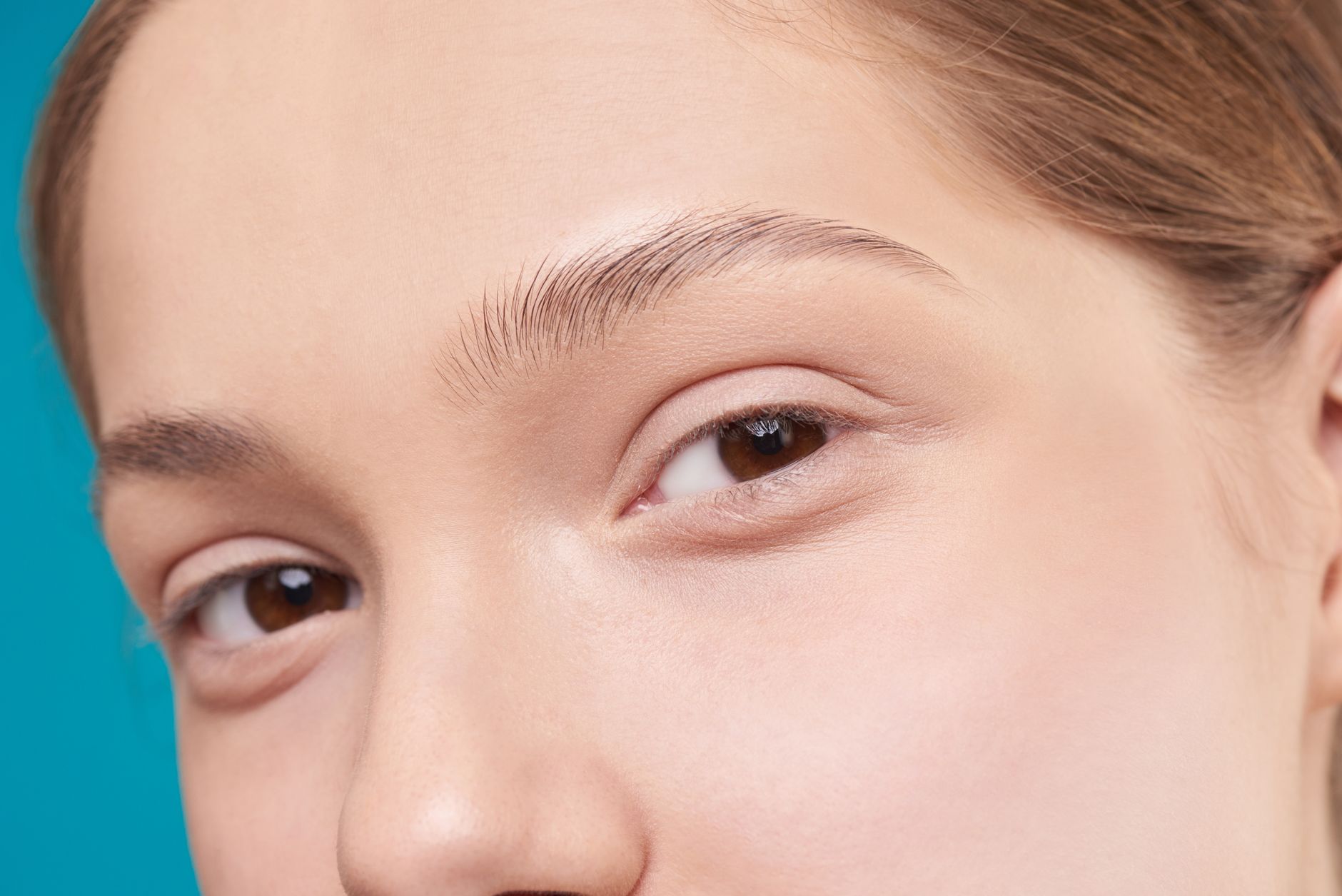
A more rested eye area with blepharoplasty
Eyelid surgery targets excess skin on the upper eyelids, puffiness in the lower eyelids, and the heavy appearance around the eyes. The goal is not only an aesthetic change; in some cases, sagging that affects the field of vision is also evaluated.
After the procedure, the facial expression may look more open and rested. When recovery is planned correctly, returning to daily life often progresses in a more controlled way than expected.
Safety and clinical standards for blepharoplasty in Turkey
When planning the procedure within health tourism in Turkey, choosing clinics with a Ministry of Health-approved Health Tourism Authorization Certificate is a key safety step. This structure supports a more systematic preoperative assessment, surgical environment standard, and follow-up process.
Turkish plastic surgeons and teams with experience in oculoplastic surgery evaluate eyelid anatomy, excess skin, fat distribution, and the risk of dry eye together. Especially in cases where upper eyelid skin excess and lower eyelid puffiness are addressed in the same session, the incision plan and tissue-preserving approach directly affect the outcome.
Key points reviewed during assessment
- Degree of eyelid skin laxity
- Fat protrusion or puffiness in the lower eyelid
- History of dry eyes
- Brow position and forehead compensation
- Previous procedures around the eyes
What does a blepharoplasty package in Turkey include?
Health tourism packages usually organize VIP transfers, hotel accommodation, interpreter support, and the initial care process together. For blepharoplasty, this may also include preoperative blood tests, eyelid examination, and in some cases an assessment of the ocular surface.
The procedure is often completed with same-day discharge; the length of stay in Turkey is generally planned for a few days because of follow-up visits and early recovery monitoring. For companions, light indoor-focused programs in Istanbul, shaded cafés and shopping areas rather than short seaside walks in Antalya, and relaxed food stops in Izmir are more suitable; after the procedure, it is important to avoid dust, wind, and strong sunlight.
Compared methods
| Compared Methods | Key Advantage | Effect on Recovery Time |
|---|---|---|
| Upper blepharoplasty | Targets excess skin and folding in the upper eyelid | Swelling and bruising are usually seen in a more limited area |
| Lower blepharoplasty | Aims to correct puffiness and lower eyelid contour irregularities | Recovery may require closer follow-up |
Blepharoplasty cost: Turkey, the UK, Germany, and the USA
The average cost of blepharoplasty in Turkey may start at around €1,800, depending on the scope of the procedure. Upper eyelid, lower eyelid, or combined planning; the type of anesthesia; and the clinic standard all affect this range.
| Country | Average Price |
|---|---|
| Turkey | €1,800 |
| United Kingdom | £3,000 |
| Germany | €3,200 |
| USA | $5,500 |
Factors affecting price and process
The first factor determining blepharoplasty cost is the surgeon’s expertise in this field and familiarity with eyelid anatomy. In particular, planning together with brow ptosis in the upper eyelid or repositioning fat tissue in the lower eyelid can change the length and scope of the surgical plan.
The second factor is the technique and tissue approach used. Methods such as traditional skin excision, transconjunctival lower eyelid surgery, or fat redistribution create differences in incision location, suture planning, and recovery speed.
The third factor is the clinic’s location. In major city centers, especially in areas with high international patient flow, operating room standards, follow-up organization, and service infrastructure may increase the price.
Why does recovery in Turkey often progress more systematically?
- Clear instructions are provided for cold compresses and keeping the head elevated during the first 48 hours
- Suture checks and early follow-up appointments are adapted to the same travel plan
- In patients prone to dry eyes, surface comfort is monitored separately
- Screen time, exercise, and return to makeup are planned in stages after the procedure
The most rational next steps after blepharoplasty
After finishing this page, the three most common questions are usually the scope of the surgery, the recovery time, and which technique is more suitable. These directly affect the quality of decision-making in the next evaluation.
- Which is more suitable: upper eyelid, lower eyelid, or combined blepharoplasty?
- How noticeable will swelling and bruising be during the first week, and when can returning to work be planned?
- What is the difference between the transconjunctival approach and the traditional skin-incision method?
The answers to these questions vary depending on eyelid structure, ocular surface condition, and the desired aesthetic result. The most accurate plan is made through an in-person examination and individual anatomical assessment.