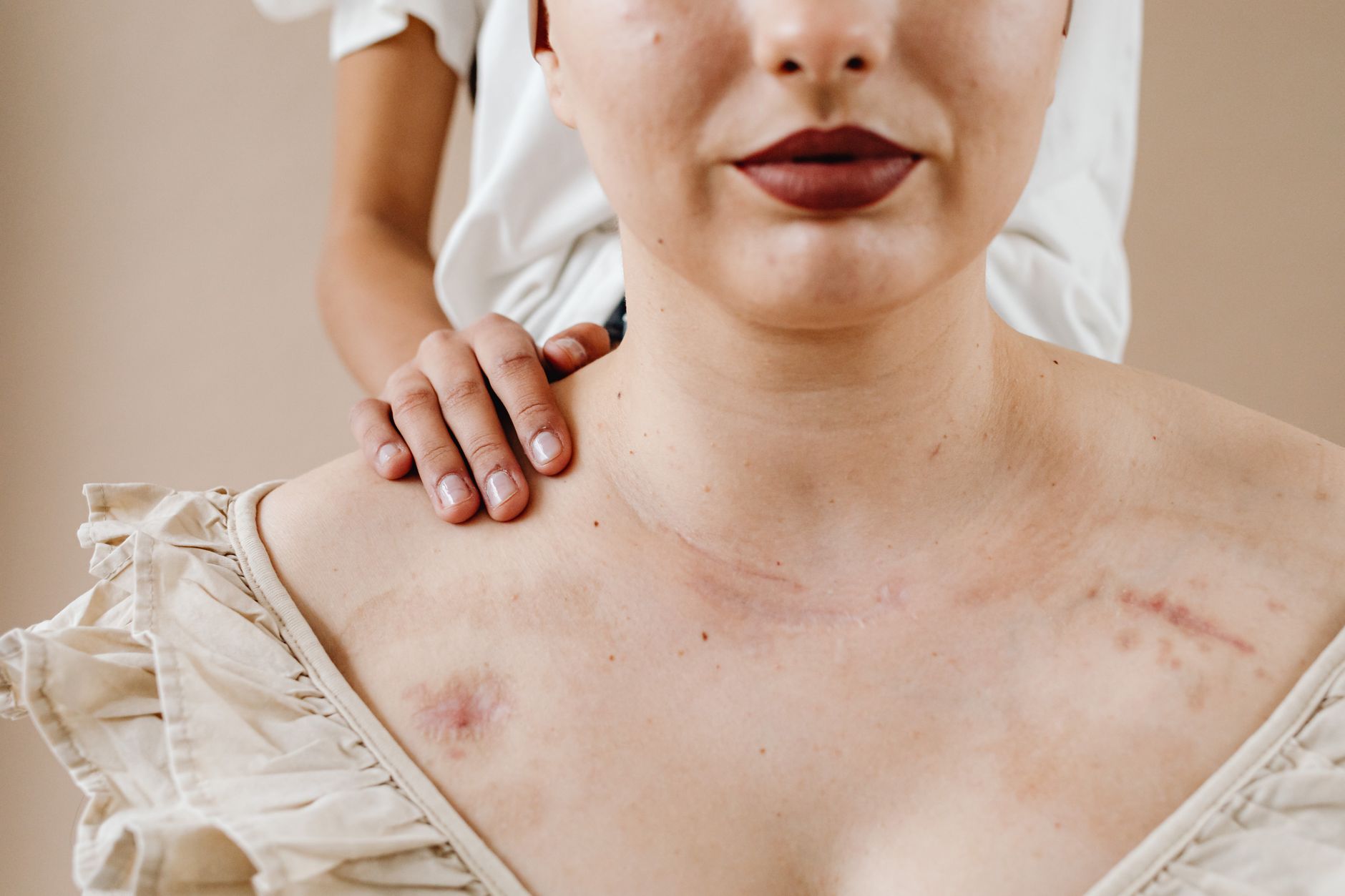
What Breast Reduction Scars Look Like
During breast reduction surgery, excess breast tissue, fat, and skin are removed, and the nipple is repositioned higher as the breast is reshaped. For this reason, scars in the incision areas are generally expected, although they may soften and fade over time.
A scar usually begins around the nipple and extends downward. Depending on the amount of tissue required and the breast structure, a horizontal incision along the breast fold may also be added. The surgeon's aim is to place scars in areas that can be concealed as much as possible by a bra or bikini; however, guaranteeing a completely scar-free operation is not medically realistic.
Which technique determines the scar shape?
- Circular scar: Located around the nipple and may be preferred for more limited reductions.
- Vertical scar: Extends from the nipple toward the breast fold and is used in many moderate reductions.
- Inverted-T or anchor scar: Includes a horizontal scar along the breast fold in addition to the vertical incision. It may be considered when more skin and tissue need to be removed.
The appropriate incision plan is determined by assessing the existing breast volume, degree of sagging, skin elasticity, nipple position, and the amount of tissue planned for removal.
Safety Standards for Breast Scar Management in Turkey
When planning surgery in Turkey, it is important to choose facilities holding a Health Tourism Authorization Certificate issued by the Ministry of Health, as well as plastic, reconstructive, and aesthetic surgery specialists with the relevant qualifications. This certificate requires a healthcare provider serving international patients to meet certain administrative and operational standards; however, it does not by itself guarantee a specific aesthetic result.
When evaluating breast reduction surgery, you should consider not only the surgeon's number of procedures but also the techniques used for different breast volumes and degrees of sagging. Plastic surgery teams in Turkey plan steps such as vertical incisions, inverted-T incisions, nipple repositioning, and reshaping of the breast tissue together.
Consultation and surgical safety
- Before surgery, your general health, previous operations, wound healing history, and products or medications used are assessed.
- Breast imaging may be requested by the surgeon or relevant physician depending on your age and personal history.
- Anesthesia assessment, bleeding risk, wound healing, and the postoperative follow-up plan should be explained in advance.
- The operating hospital's facilities for surgery, anesthesia, and emergency support should also be verified.
Smoking, diabetes, significant weight changes, and a history of raised scars may affect the appearance of scars. Sharing this information openly during your first consultation helps the team prepare a more realistic incision plan and follow-up process.
Breast Reduction Packages and Your Stay in Turkey
As part of health tourism coordination, VIP airport transfers, accommodation, interpreter support, and initial care needs or prescription products may be included in a package; the exact contents should be checked in writing according to the clinic and accommodation agreements.
For breast reduction, the length of stay in Turkey is often planned at approximately 7–14 days, but this may vary depending on the surgeon's follow-up schedule and your recovery. During the initial consultation, breast measurements, photographic assessment, any necessary imaging, and anesthesia checks are completed; wound checks and suture assessments are then scheduled after discharge.
Key stages of scar follow-up
- In the first few days, the incision line, swelling, bruising, and nipple circulation are monitored.
- During the first few weeks, you should follow the surgeon's instructions regarding a surgical bra and wound care.
- Once the wound has fully closed, scar management options such as silicone gel or silicone sheets may be considered with medical approval.
- Protective measures become important because scars exposed to sunlight may have an increased risk of darkening.
The timing of air travel, exercise, heavy lifting, and returning to work should be determined according to your individual recovery. If you experience wound opening, increasing redness, discharge, fever, or rapidly worsening pain, contact your surgical team rather than waiting remotely.
Breast Reduction Cost in Turkey and Country Comparison
The approximate total cost of breast reduction surgery in Turkey may range from €3,000–€5,500 in many international treatment plans. The figures below are approximate market ranges; the surgeon's assessment, hospital choice, length of stay, tests, and scope of surgery may change the final quotation.
| Country | Approximate price range | Pricing note |
|---|---|---|
| Turkey | €3,000–€5,500 | May vary depending on the surgery, hospital, and selected package |
| United Kingdom | £7,000–£11,000 | Private hospital, surgeon, and follow-up coverage are determining factors |
| Germany | €6,000–€10,000 | City, hospital, and scope of surgery affect the cost |
| United States | $10,000–$20,000 | Anesthesia, facility, and follow-up costs may be added separately |
When comparing quotations, look beyond the surgical fee and check whether anesthesia, hospital use, laboratory or imaging tests, surgical bras, transfers, interpreter services, accommodation, and postoperative checkups are included. The contract should state which conditions apply if revision surgery or unexpected additional checks are required.
Factors Affecting Breast Reduction Scars and Cost
Scar visibility and total cost do not depend on the same factors; therefore, aesthetic expectations and budget should be assessed separately.
- Surgeon's expertise and experience: A surgeon who regularly performs breast reduction, breast lift, and asymmetry correction can plan issues such as nipple circulation, the amount of tissue removed, and incision tension in greater detail. The surgeon's fee may vary according to academic position, surgical scope, and follow-up period.
- Surgical technique used: Vertical incisions, inverted-T incisions, and techniques such as superior or inferior pedicles for nipple repositioning and tissue shaping are applied to different anatomical needs. The selected method may affect incision length and operating time; no single technique is suitable for every breast structure.
- Amount of tissue removed: Removing more skin and breast tissue may require a more extensive surgical plan for reshaping and repositioning the nipple.
- Clinic and hospital location: In cities with high levels of international healthcare, such as Istanbul, prices may differ according to hospital standards, operating room infrastructure, accommodation area, and coordination services. Costs may also vary in centers such as Ankara, Izmir, or Antalya depending on the provider's scope of services.
Personal factors affecting scar formation include genetic wound healing, skin thickness, tension along the wound, infection, smoking, and sun exposure. Therefore, even when the same surgical technique is used, two people may not develop scars with the same appearance.
Next Steps and Important Questions About Scars
Before making a decision, it is useful to ask the surgical team in writing about the incision plan, an example healing timeline, and the communication channel to use after returning to your country. Photos may be used for assessment; however, an online review cannot replace an in-person examination.
- Why might an inverted-T incision be necessary for my breast structure, and will the scars remain within the bra or bikini line? This question should be assessed together with the planned amount of tissue removal and degree of breast sagging.
- When can silicone gel, silicone sheets, or laser-assisted scar care be considered after breast reduction? No product or treatment should be applied before the wound has closed; timing should be determined during follow-up with the surgical team.
- After my checkups in Turkey are complete, which follow-up documents and wound-care information should I take home? A discharge summary, operative report, details of the technique used, and emergency contact information are important for follow-up after travel.
Complete disappearance of scars should not be expected; however, with an appropriate incision plan, regular follow-up, and controlled wound care, they may become less noticeable over time. The final assessment should be based on a personal examination and surgical planning rather than photos or general price information.