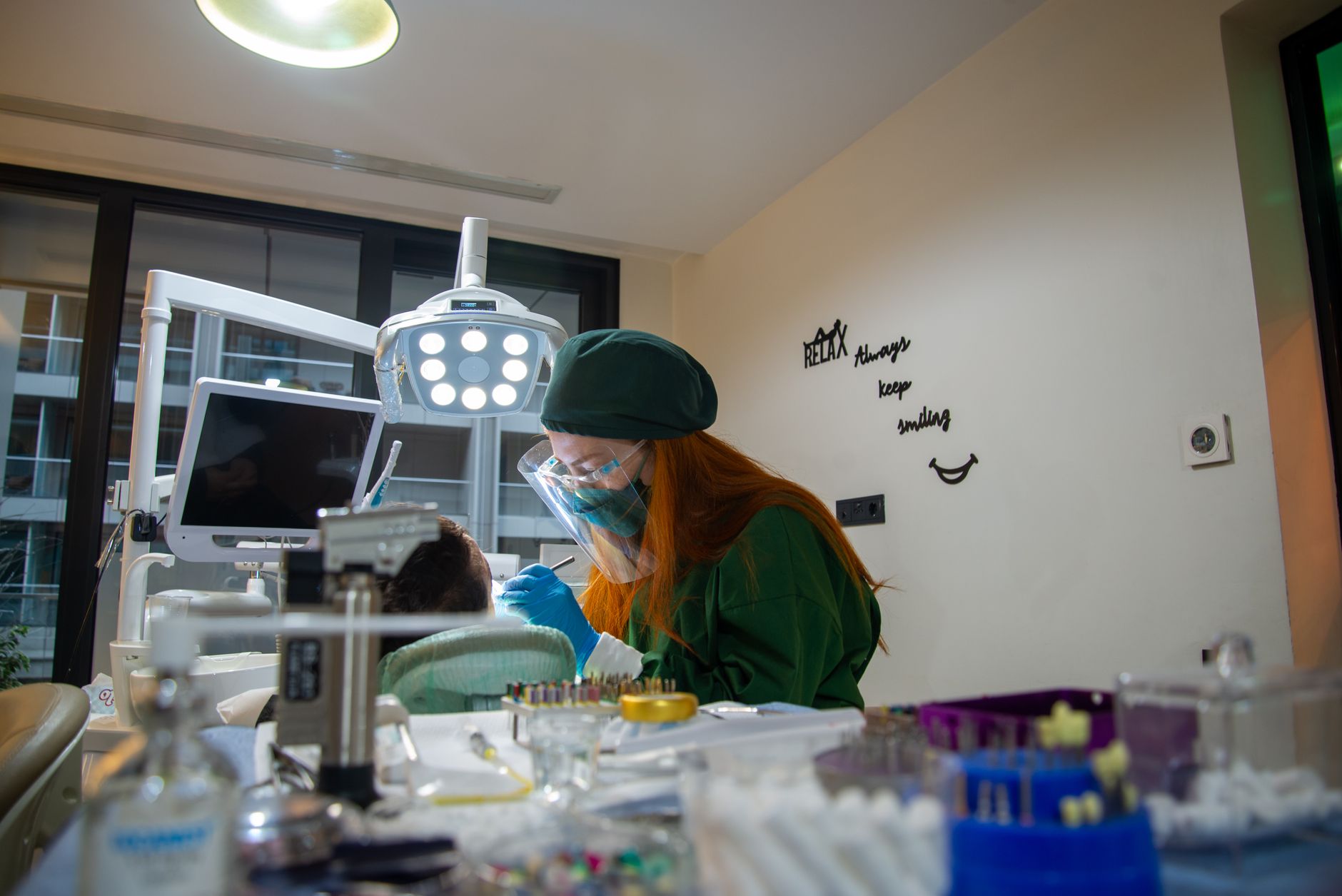
Restoration Planning with CAD/CAM: How Digital Workflow Fits Everyday Life
Digital dentistry offers a workflow that shortens traditional impression-taking and long waiting periods. With CAD/CAM technology, crowns, veneers, inlays-onlays, and some full-arch restorations can be planned in a more controlled way, which helps travelers manage their time more easily.
The practical value of this approach lies not only in laboratory speed, but also in fit and repeatability. While smile aesthetics, chewing comfort, and ease of daily speech are targeted, the process progresses in a more predictable way.
Safety and Clinical Standards in CAD/CAM Applications in Turkey
Clinics operating within health tourism in Turkey and holding a Ministry of Health-approved Health Tourism Authorization Certificate work with a documented and auditable workflow from digital impression to restoration delivery. This structure creates an important layer of confidence, especially for patients arriving from abroad, in terms of communication, planning, and follow-up.
Dentists working in digital dentistry frequently use the CAD/CAM workflow for single-tooth crowns, multiple veneers, aesthetic anterior restorations, and implant-supported prosthetic solutions. In cases that require digital scanning, occlusion analysis, and restoration fit, clinical experience directly affects the consistency of results.
What Is Included in a CAD/CAM Dental Treatment Package?
Packages are usually planned together with VIP transfer, hotel accommodation, interpreter support, and initial care/medication guidance. In digital dentistry, this may also include an initial intraoral scan, photographic records, bite assessment, and, if needed, a temporary restoration stage.
In major health tourism centers such as Istanbul, Antalya, and Izmir, companions can plan light activities during the procedure day and the following mild recovery period; indoor visits, short seaside walks, or quiet dining stops are more suitable during this time. Depending on the sensitivity of the new restoration, it is better to avoid very hard foods and not to schedule overly demanding activities in the first days.
CAD/CAM Restoration Costs in Turkey, the UK, Germany, and the USA
For single-tooth restorations based on CAD/CAM, the average cost in Turkey is assessed in most cases between €250–€700. As the scope expands, such as multiple crowns, aesthetic anterior work, or implant-supported prosthetic planning, the total budget changes.
| Country | Average Price | Currency |
|---|---|---|
| Turkey | €250–€700 | EUR |
| United Kingdom | £450–£1,200 | GBP |
| Germany | €500–€1,400 | EUR |
| USA | $700–$2,000 | USD |
The two most commonly compared methods
| Compared Methods | Main Advantage | Effect on Recovery Time |
|---|---|---|
| Single-visit CAD/CAM crown | Fast production through digital scanning and milling | May reduce the time needed for a temporary restoration |
| Traditional laboratory crown | Manual craftsmanship and classic layering flexibility | Waiting time may be longer |
Key Factors That Determine Price and Process
- The dentist’s expertise and case experience: Clinical decision quality in anterior aesthetics, bite balance, and multiple restoration planning affects the price.
- Technology and method: The intraoral scanner, milling unit, type of porcelain block, zirconia framework, or material selection such as e.max used in the CAD/CAM workflow changes the cost.
- Clinic location: Operating costs and the resulting pricing structure may differ between clinics in central areas of Istanbul and those in more compact cities.
These three variables can affect not only the fee, but also appointment density, delivery time, and the likelihood of revisions. Especially when working in the aesthetic zone, the number of try-in sessions and the time allocated for shade matching are included in the plan.
The Most Reasonable Next Steps After the Procedure
How many days do you need to stay in Turkey for a CAD/CAM restoration?
For a single crown or a limited number of restorations, most plans can fit a short trip; however, as the number of try-ins and delivery steps increases, the stay becomes longer.
What is the difference between a digital restoration completed in one session and a multi-stage plan?
Single-session plans offer a time advantage; multi-stage plans may provide more detailed fit in broader aesthetic corrections.
In which cases are CAD/CAM restorations considered together with implant-supported solutions?
The number of missing teeth, jawbone condition, and bite relationship determine this; implant-supported prosthetic options require a separate evaluation.