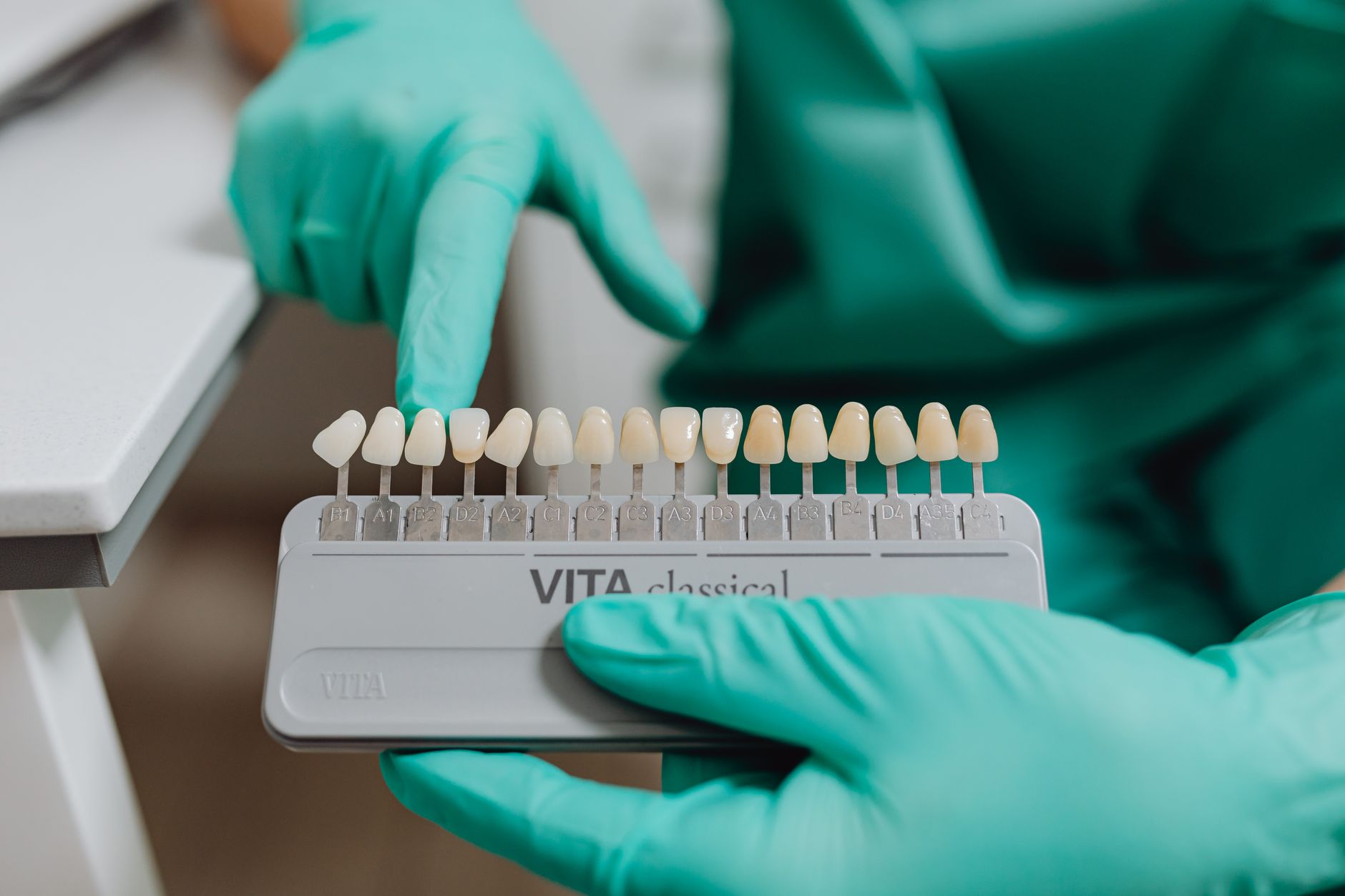
Redesigning the smile with porcelain teeth
Porcelain teeth treatment is a restorative dentistry procedure that addresses color, shape, and surface harmony at the same time. The goal is not only a more aesthetic appearance, but also a more balanced result in speech, biting, and daily use.
It is especially preferred in the front teeth area for issues such as tooth color differences, shape irregularities, visible old fillings, or wear. When planned correctly, it creates a smile design that looks natural and harmonizes with the facial expression.
Safety and clinical standards in porcelain teeth treatment in Turkey
Clinics in Turkey that provide services within health tourism and hold a Ministry of Health-approved Health Tourism Authorization Certificate work according to specific standards for records, hygiene, and patient follow-up in porcelain teeth treatment. This structure helps the process progress in a more controlled way, from the pre-examination assessment to the try-in sessions.
Turkish dentists have extensive case experience in porcelain restorations, especially in front teeth aesthetics, bite harmony, and color matching. Different protocols such as laminate veneers, full-coverage crowns, and aesthetic restorations are planned according to tooth structure and expectations.
Key points assessed during evaluation
- Thickness of the enamel and the extent of existing tissue loss
- Bite relationship and jaw movements
- Shade, light reflection, and harmony with adjacent teeth
- Digital impressions and mock-up planning if needed
What is included in a porcelain teeth package?
Health tourism packages in Turkey often include VIP transfer, hotel accommodation, interpreter support, and initial aftercare guidance. For porcelain teeth treatment, a few days may also be needed for impression taking, try-ins, temporary restorations, and final bonding.
In centers such as Istanbul, Antalya, and Izmir, plans can be arranged for the companion to avoid fatigue on the treatment day and during the mild recovery period afterward; indoor sightseeing, quiet seaside walks, short coffee breaks in the city, or light gastronomic experiences are suitable. Since there may be sensitivity in the mouth, short and controlled activities are more comfortable than long tours involving very hard foods.
Preparation and treatment flow
- At the first examination, gum health and bite are evaluated
- Photos and digital impressions are taken if needed
- Shade and shape are selected
- After the try-in, the final fitting and bonding stage begins
Porcelain teeth costs in Turkey, the UK, Germany, and the USA
In porcelain teeth treatment, the average cost in Turkey is generally assessed at around €250–€600, depending on the scope of the case. The range changes based on whether it is a single tooth, multiple teeth, laminate veneers, or full-coverage crowns.
| Country | Average Price | Currency |
|---|---|---|
| Turkey | €250–€600 | EUR |
| United Kingdom | £500–£1,200 | GBP |
| Germany | €450–€1,000 | EUR |
| USA | $800–$2,000 | USD |
This table shows general market ranges that may vary depending on the clinic segment and the type of restoration. The final plan is determined after the examination and impression stages.
Compared treatment methods
| Compared Methods | Main Advantage | Effect on Recovery Time |
|---|---|---|
| Laminate veneer | Provides an aesthetic appearance with minimal reduction from the front surface | Usually offers a shorter adaptation period |
| Full-coverage porcelain crown | Provides durability and shape support in cases with greater tissue loss | Adaptation may take a little longer because preparation is more extensive |
Main factors that determine the price and process
The price of porcelain teeth depends not only on the number of teeth, but also on the type of restoration used, laboratory work, and the scope of planning. The same treatment may require different stages in different mouth structures.
- The dentist’s expertise and experience: Experience in front teeth aesthetics, bite adjustment, and shade management affects the number of try-ins and the naturalness of the result.
- Technology, method, and material type: Options such as E-max, feldspathic porcelain, or zirconia-supported porcelain change light transmission, durability, and laboratory workmanship.
- Clinic location: There may be differences in rent, equipment, and service scope between clinics in major city centers and those in smaller locations.
When these three points are evaluated together, it becomes clearer why the price is personalized. Especially in the aesthetic zone, the type of material used is one of the most concrete variables directly affecting the quality of the result.
Three critical questions after the procedure
How long can new porcelain teeth be used?
The lifespan depends on oral hygiene, bite balance, and regular check-up habits. This should be considered together with the maintenance and durability details of porcelain restorations.
In which cases is a full-coverage crown considered instead of a laminate veneer?
If there is advanced tissue loss, a fracture, or a large filling area, a full-coverage crown may be more suitable. This distinction is an important subtopic that determines the balance between aesthetics and function.
Why can shade selection be reassessed during the try-in stage?
Natural light, skin tone, and the color of adjacent teeth can affect the final decision. For this reason, digital planning and try-in are among the most critical stages of treatment.