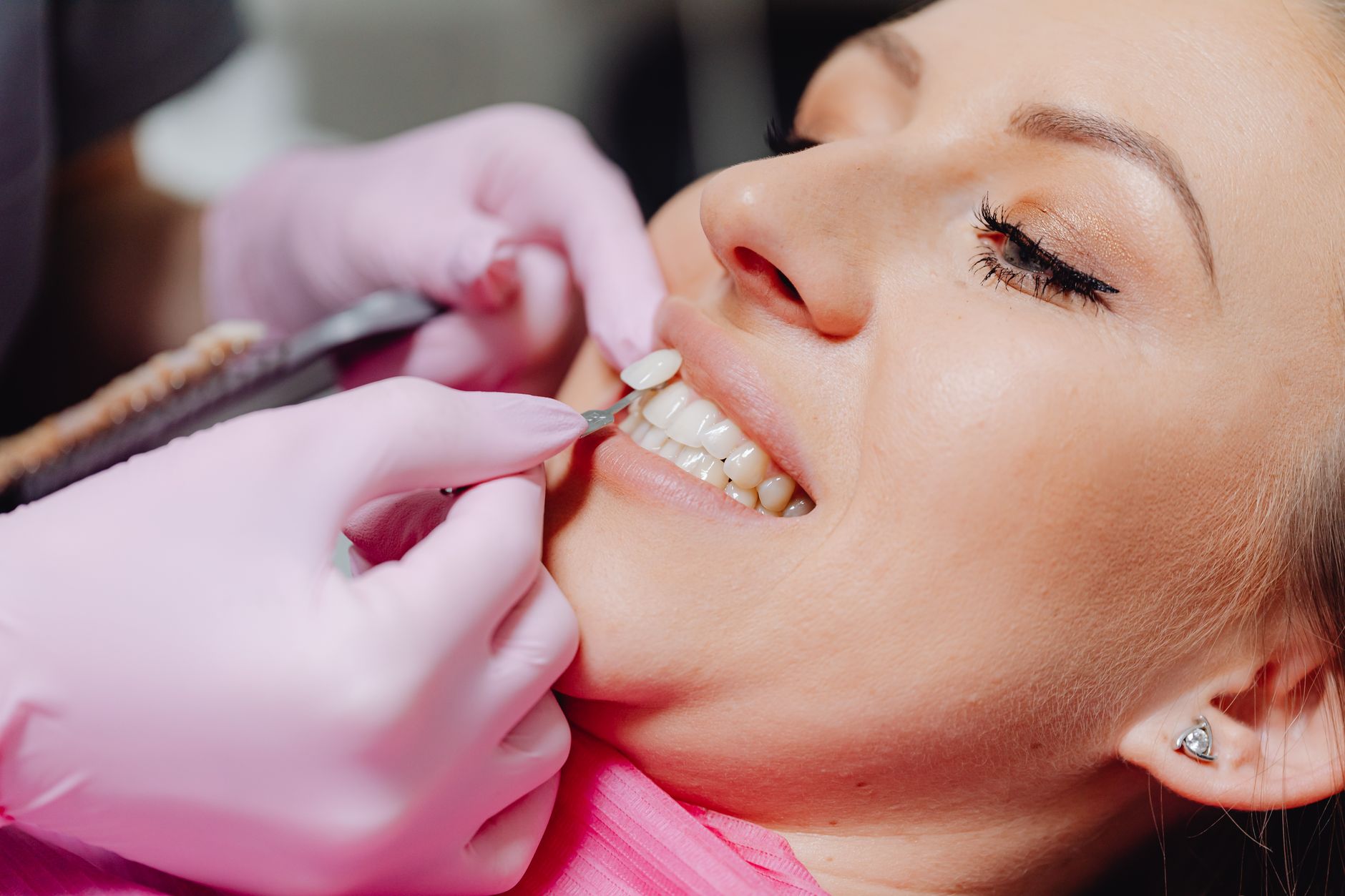
Inlay and Onlay Restorations: A Middle Option That Helps Save the Tooth
Extensive tissue loss caused by decay, fracture, or an old filling does not always require a full crown. Inlay and onlay restorations are an intermediate solution that preserves as much natural tooth structure as possible while providing both chewing strength and an aesthetic appearance.
This approach is especially relevant for back teeth, where a standard filling is not enough but a full crown would be too invasive. When color match, marginal seal, and long-term durability are priorities, porcelain-based options are often preferred.
The main difference between inlay and onlay
- Inlay: Fills the cavity on the chewing surface of the tooth without covering the cusps.
- Onlay: Covers a larger area and includes one or more cusps.
- Goal: To preserve the tooth without extraction, reduce the risk of fracture, and maintain a natural appearance.
Safe Clinic Planning and Restorative Dentistry Experience in Turkey
In Turkey, this treatment offers a more organized process when planned in clinics that hold a Health Tourism Authorization Certificate approved by the Ministry of Health. Coordinating the examination, digital impression, try-in, and bonding stages in the same center helps reduce time loss for international patients.
Restorative dentists frequently treat cases involving chewing forces in the back teeth, replacement of large old fillings, and protection of teeth at risk of cracking. This experience helps ensure that the restoration is designed correctly not only aesthetically but also functionally.
Points considered during evaluation
- The remaining healthy tooth structure
- The extent of decay or fracture
- Bite relationship and chewing load
- Contact points with adjacent teeth
- Possible need for root canal treatment
What Is Planned in an Inlay-Onlay Porcelain Filling Package?
VIP transfer, hotel accommodation, interpreter support, and initial aftercare guidance are often included in the package. In inlay and onlay restorations, two separate visits are usually planned; the first session is for preparation and impressions, and the second is for try-in and bonding.
For this treatment, an intraoral examination, X-ray evaluation, and bite analysis are performed. Depending on the condition of the tooth, a temporary filling may be used; since the porcelain piece is made in the laboratory, the process is more planned than a simple filling completed in a single visit.
A light city plan for the companion
In Istanbul, Antalya, or Izmir, a companion can enjoy short indoor museum visits, brief seaside breaks, or light culinary exploration on the treatment day and the following day. Because there may be oral sensitivity, calm plans are more suitable than trying very hard foods or taking long, tiring walks.
Average Costs in Turkey, the UK, Germany, and the USA
For inlay and onlay restorations, the average cost in Turkey is often planned in the €180–€450 range. The type of porcelain used, the number of teeth, and the laboratory standard can change this range.
| Country | Average Price | Currency |
|---|---|---|
| Turkey | €180–€450 | EUR |
| United Kingdom | £350–£700 | GBP |
| Germany | €300–€650 | EUR |
| USA | $500–$1,200 | USD |
Why costs are more accessible in Turkey
The price difference here is not explained by labor costs alone; laboratory organization, clinic operations, and package planning also affect the total amount. Still, a low price by itself is not a sign of quality; the fit of the restoration and marginal precision are the main factors.
Main Factors Affecting Price and Treatment Process
- The dentist’s expertise and experience: In back tooth restorations, results are more predictable when bite balance, contact points, and fracture risk are managed correctly.
- Technology, method, and material type: There are differences in strength and aesthetics between CAD/CAM-produced lithium disilicate porcelain, traditional laboratory porcelain, and composite-based options.
- Clinic location: Operating costs in central areas of Istanbul are not the same as those of clinics in smaller cities, and this is reflected in the total package.
In inlay and onlay restorations, material selection directly affects the forces the tooth can withstand. Ceramics such as lithium disilicate are often considered in cases with high aesthetic expectations and balanced chewing loads.
Next Steps: Questions to Ask Before Deciding
Is an inlay or an onlay more suitable for this tooth?
This distinction is made according to the remaining healthy tooth structure and cusp support. It is important to clarify whether restorative preservation is possible instead of a full crown for the same tooth.
Can it be completed in a single session?
If laboratory fabrication is required, two visits are usually planned. In centers with digital impressions and CAD/CAM infrastructure, the process may be shorter.
Which care habits are important for long-term durability?
Nighttime clenching, hard foods, and irregular check-up intervals affect the lifespan of the restoration. For this reason, bite control and regular follow-up are considered a natural part of treatment.
If you wish, in the next step I can also turn this page into a more corporate SEO-friendly landing page format and optimize the headings and call-to-action text.