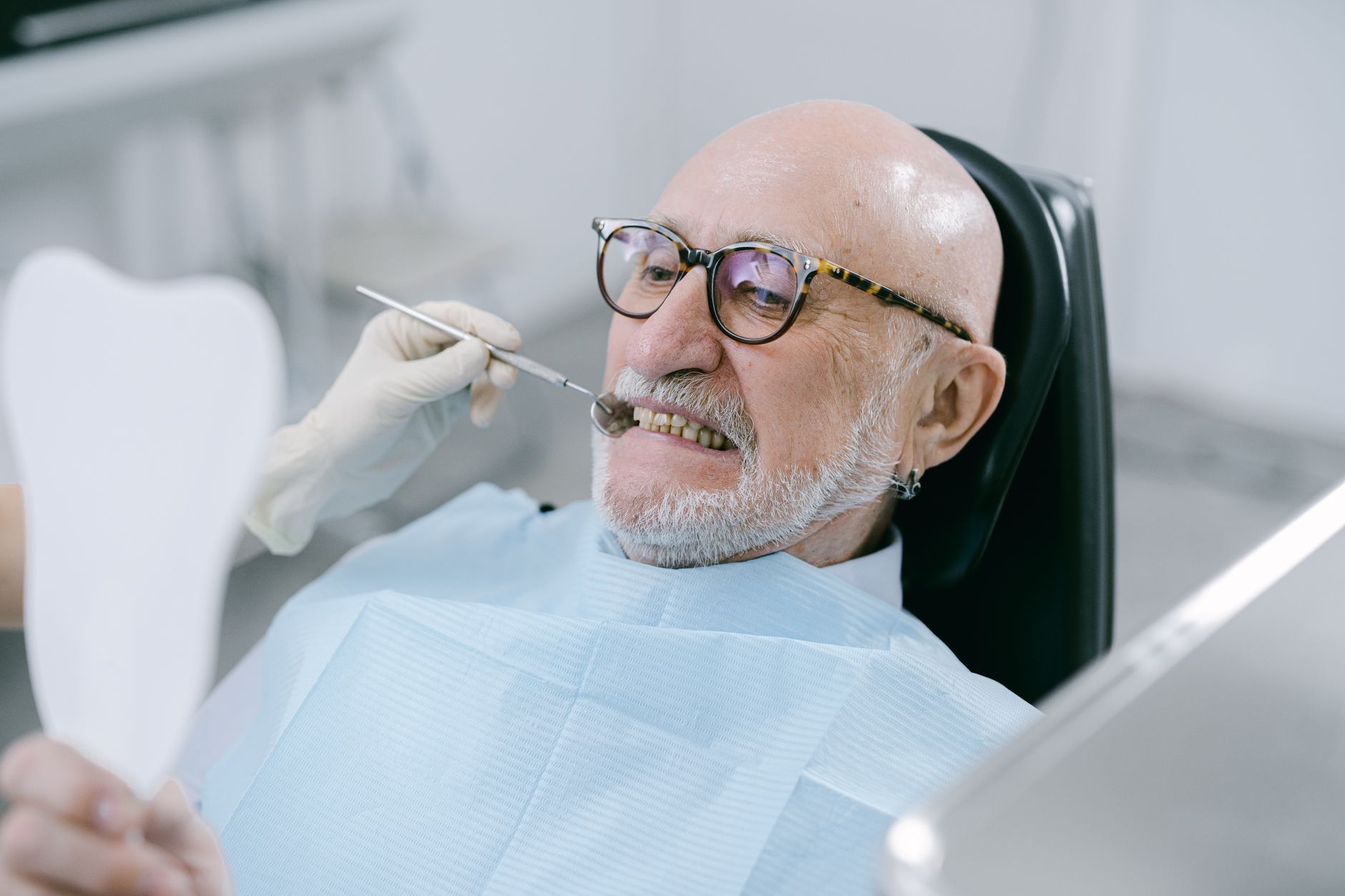
The impact of tooth sensitivity in daily life
Tooth sensitivity often appears as a sudden, sharp pain felt with hot drinks, cold foods, sweets, or even while brushing. This does not only cause discomfort; it can also affect food choices, oral care habits, and social comfort.
The approach planned in Turkey recognizes that sensitivity does not always have a single cause. Different sources such as enamel wear, gum recession, early decay, old filling margins, or teeth grinding habits are evaluated, and treatment is shaped accordingly.
Safety and clinical standards in tooth sensitivity treatment in Turkey
When treatment is planned in Turkey within health tourism, clinics with a Ministry of Health-approved Health Tourism Authorization Certificate are preferred. This structure offers a more predictable process in terms of communication, sterilization, record keeping, and patient follow-up.
In sensitivity management, dentists target not only the symptom but also the underlying cause. In particular, experience with cases involving enamel loss, cervical wear, gum recession, and restoration margin mismatch directly affects the accuracy of the treatment plan.
Key points assessed during evaluation
- Which tooth is affected and which trigger causes the sensitivity
- Gum level and whether the root surface is exposed
- Signs of old fillings, crowns, or wear
- X-rays and clinical examination findings when needed
What does a tooth sensitivity treatment package include?
Transfer, hotel, interpreter, and initial care support are usually offered within a single coordination plan. For tooth sensitivity, a short stay in Turkey is often planned for the first examination, sensitivity tests, and, if needed, several sessions of protective treatment.
At the first consultation, a detailed intraoral evaluation, gum measurements, restoration checks, and imaging when necessary are often performed. This stage helps choose the right target for lasting relief rather than simply suppressing the complaint.
In major destinations such as Istanbul, Antalya, and Izmir, companions can plan light activities that are not tiring during the procedure day and the mild recovery period afterward. Indoor visits, short and calm walks by the coast, or light culinary experiences can offer a more comfortable travel experience while avoiding extreme hot and cold exposure that may increase tooth sensitivity.
What is requested during preparation?
- A brief history explaining how long the current complaint has been present
- Information about any previous fillings, crowns, or gum treatment
- Notes on general health and teeth grinding habits
- If needed, photos or panoramic imaging for preliminary evaluation
Cost comparison in Turkey, the UK, Germany, and the USA
The cost of tooth sensitivity treatment varies depending on the method used, the number of sessions, and any restorative needs. In Turkey, the average cost for most plans is assessed in the range of €180–€650.
| Country | Average Price | Currency |
|---|---|---|
| Turkey | €180–€650 | EUR |
| United Kingdom | £250–£900 | GBP |
| Germany | €220–€750 | EUR |
| USA | $300–$1,200 | USD |
These ranges may include not only surface treatments for sensitivity relief, but also filling replacement, gum protection, or protective restorative steps when needed. The exact amount becomes clear after the examination.
Key factors affecting price and treatment process
- Doctor’s expertise and experience: In cases caused by enamel wear, gum recession, or restorations, identifying the correct cause changes the scope of the plan.
- Method, materials, and technique: Fluoride varnish, desensitizing agents, composite restoration adjustments, cervical protection procedures, or gum-level treatments create different costs.
- Clinic location: Operating costs may differ between central areas of Istanbul and clinics in quieter cities, which can affect the total fee.
Although sensitivity may seem like a single issue, the treatment plan often requires preventive care and restorative correction to be considered together. For this reason, the price reflects not just one procedure, but the overall clinical approach chosen.
Compared methods
| Compared Methods | Main Advantage | Effect on Recovery Time |
|---|---|---|
| Fluoride varnish application | Strengthens the enamel surface and creates a protective barrier against external triggers | Usually provides comfort the same day and does not require additional recovery time |
| Composite cervical restoration | Covers exposed sensitive areas and reduces mechanical and thermal triggers | There may be a few days of mild adjustment, after which daily use becomes more comfortable |
First questions after treatment
Can the source of sensitivity be identified in one session?
In many cases, the main cause becomes clear during the first examination; however, some cases require X-rays, gum measurements, and restoration checks together. Therefore, there may be situations where a decision cannot be made in a single session.
Is surface treatment alone enough for lasting relief?
If the complaint is limited to enamel wear, surface-protective applications may be sufficient. If there is gum recession, early decay, or an old filling margin, a more comprehensive plan is needed.
How many days are needed in Turkey?
A short visit may be enough for simple protective applications; the stay may be longer for restorative corrections or multi-tooth plans. The exact length of stay is determined after the examination based on the treatment scope.
This page shows that tooth sensitivity is not just a temporary pain; it is a clinical condition that can be managed with the right evaluation. The process planned in Turkey addresses both treatment and travel comfort together.