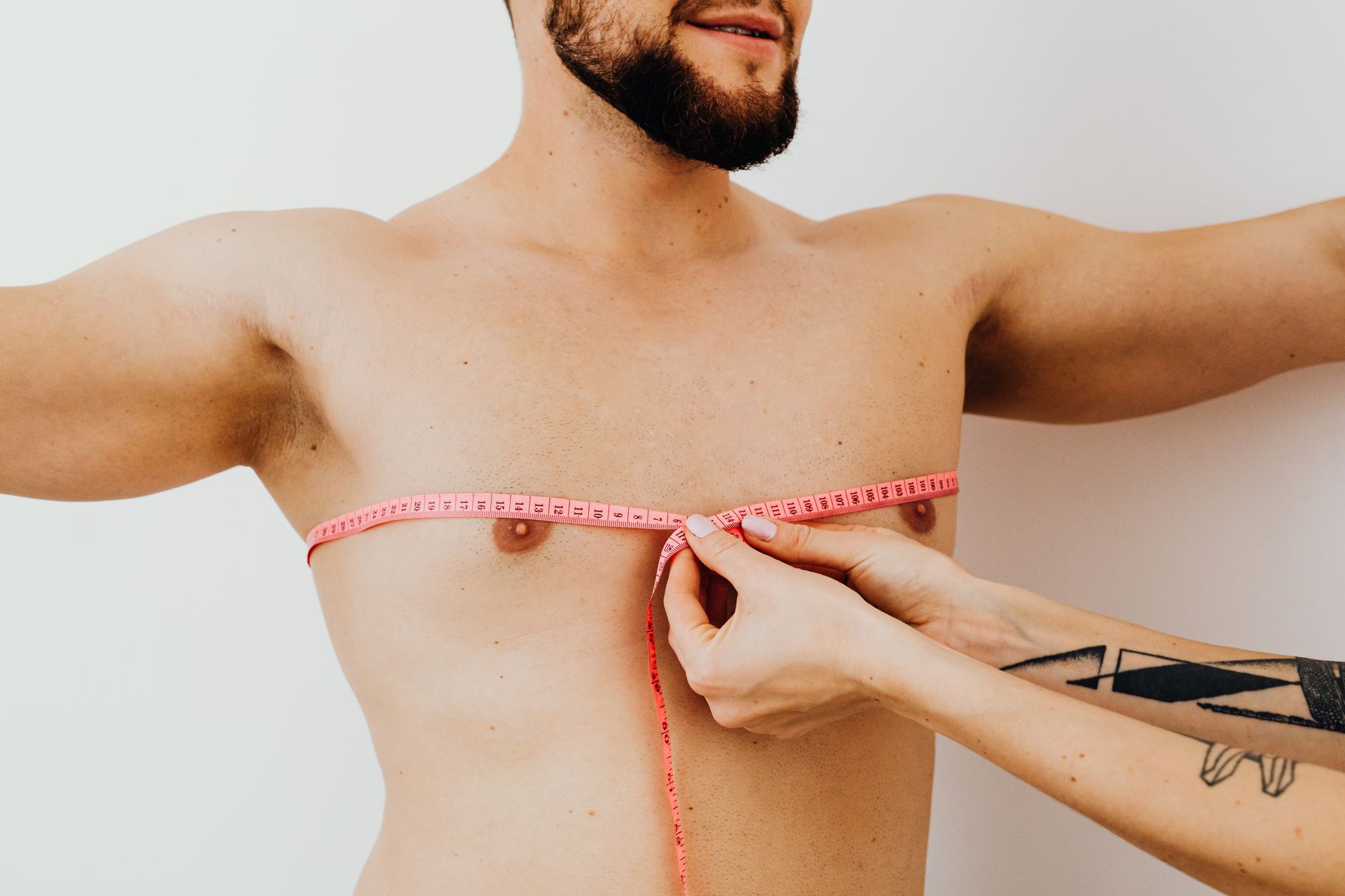
How Does the Chest Appearance Change After Gynecomastia Surgery?
Gynecomastia surgery aims to surgically reduce excess fatty tissue, breast gland tissue, or excess skin in the male chest area. The chest contour may begin to look flatter immediately after the procedure; however, swelling, bruising, and tenderness are normal signs of healing during the first few days.
Recovery involves more than the closure of incision sites. The skin and underlying tissues may need several months to adapt to the new chest shape, swelling to subside, and the appearance of both sides to become balanced. The final result should be assessed through examination and follow-up appointments with the surgeon.
What to Expect During the First 24 Hours
Tightness around the chest, mild to moderate pain, bruising, and restricted movement may occur after surgery. The compression garment recommended by the surgical team can help control swelling and support the skin as it adapts to the new contour; the duration of use is determined according to the scope of the operation.
During the first night, it is important not to travel alone, avoid movements that strain the arms, and follow the written discharge instructions provided. If a drain has been placed, you may be asked to record its output and appearance.
First Week: Rest and Short Walks
Short, slow walks during the first week may support circulation. In contrast, exercises that strain the chest muscles, heavy lifting, wide arm movements, and strenuous household tasks should be postponed. Follow the clinic’s specific instructions regarding keeping the incision areas dry, showering, and changing dressings.
Returning to office-based work can generally be planned within a few days to one week, depending on the extent of the procedure and how you feel. Your surgeon’s approval should be obtained before physical work, driving, or planning a long flight.
Progress During the Second to Sixth Weeks
Bruising usually decreases significantly within the first two weeks. Swelling may last longer and can increase or decrease throughout the day. Depending on the type of sutures used, a check-up or suture removal may be scheduled; the color and firmness of incision scars change over time.
Light daily activities can be increased gradually. Do not rush to resume weight training, chest exercises, swimming, or contact sports. Your surgeon may create an individual timetable for returning to exercise based on an examination of the chest tissues.
Appearance After the Third Month
By the third month, the chest contour is often more defined; however, small areas of swelling or firmness around the incisions may persist. Scar maturation and complete softening of the tissues may take approximately 3–6 months.
Findings such as asymmetry, changes in nipple sensation, or skin irregularities should not be interpreted as definitive results during the early recovery period. Follow-up appointments should continue as scheduled, and any changes believed to be permanent should be assessed by the surgical team.
Safety and Follow-Up Standards for Gynecomastia Surgery in Turkey
When choosing a provider for medical tourism in Turkey, selecting organizations that hold a Health Tourism Authorization Certificate issued by the Ministry of Health is one of the fundamental safety steps in the international treatment process. You can directly confirm the certificate’s current status and the license details of the hospital or clinic where the procedure will be performed.
When assessing a surgeon’s experience with gynecomastia, look beyond general experience in aesthetic surgery. Consider specific areas such as planning liposuction and breast gland removal during the same procedure, male chest anatomy, managing incisions around the areola, and treating excess skin after significant weight loss. When reviewing before-and-after photographs, asking for examples involving a similar chest structure, a similar degree of gynecomastia, and a similar surgical technique is more meaningful.
During the initial consultation, the physical examination, medical history, previous surgeries, products or medications used, weight changes, and chest-related concerns are assessed. Blood tests, imaging, or consultation with another specialist may be arranged when necessary; the required examinations are determined based on the examination findings.
What Is Included in a Gynecomastia Travel and Surgery Package?
The organization may include VIP airport transfer, hotel accommodation at the selected standard, an interpreter providing language support, and guidance needed during the initial care period. For medications or medical products, follow only the written recommendations of the surgical team.
A stay of approximately 5–8 days is often planned for gynecomastia treatment in Turkey; this may vary depending on the scope of surgery, drain use, and the need for a pre-flight check-up. During the initial assessment, photographs, height and weight information, previous surgery records, and current medical documents are shared. Blood tests and an anesthesia assessment are completed before surgery.
Potential risks associated with returning early should be considered when planning a flight. During flights involving prolonged immobility, ask your surgeon for advice on movement breaks, compression measures, and travel suitability. If you experience sudden increased swelling, significant one-sided pain, shortness of breath, fever, foul-smelling discharge, or bleeding that does not stop, contact the clinical team without delay and follow the instructions for urgent assessment.
Gynecomastia Surgery Prices in Turkey and Country Comparison
The approximate total price range for gynecomastia surgery in Turkey may be €2,500–€4,500. This is only a general market indication; the written quotation should be reviewed to determine whether consultation, the scope of surgery, anesthesia, follow-up appointments, accommodation, and travel services are included in the package.
| Country | Approximate price | Price-related note |
|---|---|---|
| Turkey | €2,500–€4,500 | The surgical technique and services included in the package may vary. |
| United Kingdom | GBP 5,000–8,000 | Private hospital, surgeon, and anesthesia fees may be listed separately. |
| Germany | €4,500–€7,500 | City, hospital, and the need for skin removal may affect the total. |
| United States | USD 6,000–10,000 | Surgery, anesthesia, facility, and follow-up fees may be calculated separately. |
Because of exchange-rate fluctuations, tax practices, and city-based price differences, these figures do not replace a formal quotation. Ask for the written price document to show surgery, anesthesia, surgical bra or compression garment, pathology examination, follow-up consultations, potential drain monitoring, and revision terms separately.
Factors That Affect the Price and Recovery Plan for Gynecomastia
- The surgeon’s expertise and experience: A surgeon who regularly performs male chest contouring, breast gland removal, liposuction, and excess-skin management may influence the operating time, intensity of follow-up, and pricing.
- The technique used and tissue structure: Liposuction alone for fatty tissue, direct excision for firm breast gland tissue, or a combination of both creates different surgical plans. When necessary, skin removal, an incision around the areola, or a different drain approach may also affect the price and recovery time.
- Clinic location: Cities with high levels of international access, such as Istanbul, may offer a wider range of transfer and accommodation options. Prices in Ankara, Izmir, or other cities may differ depending on hospital infrastructure, hotel category, and local transportation arrangements.
When comparing quotations, look beyond the total figure and check whether the same surgical scope is being compared. In particular, evaluating liposuction alone against liposuction combined with glandular tissue removal under the same price heading can be misleading.
Three Specific Questions to Ask After Surgery
- How long should I wear the compression garment, and when will I be considered fit to fly? Ask about your surgeon’s personal plan for garment use, drain status, and flight safety.
- How long can firmness in the chest and changes in nipple sensation be monitored? Ask the clinic in writing how to distinguish normal healing signs from changes requiring assessment.
- If liposuction and breast gland removal were performed together, what will the return-to-exercise schedule be? Clarify which examination findings are expected before resuming weight training, swimming, and chest muscle exercises.
When planning from abroad, assess the preoperative online consultation, written surgical scope, estimated length of stay, emergency contact channel, and follow-up model after returning to your country together. A medical decision should not be finalized based solely on photographs or online information; it should be made after an in-person examination and anesthesia assessment have been completed.