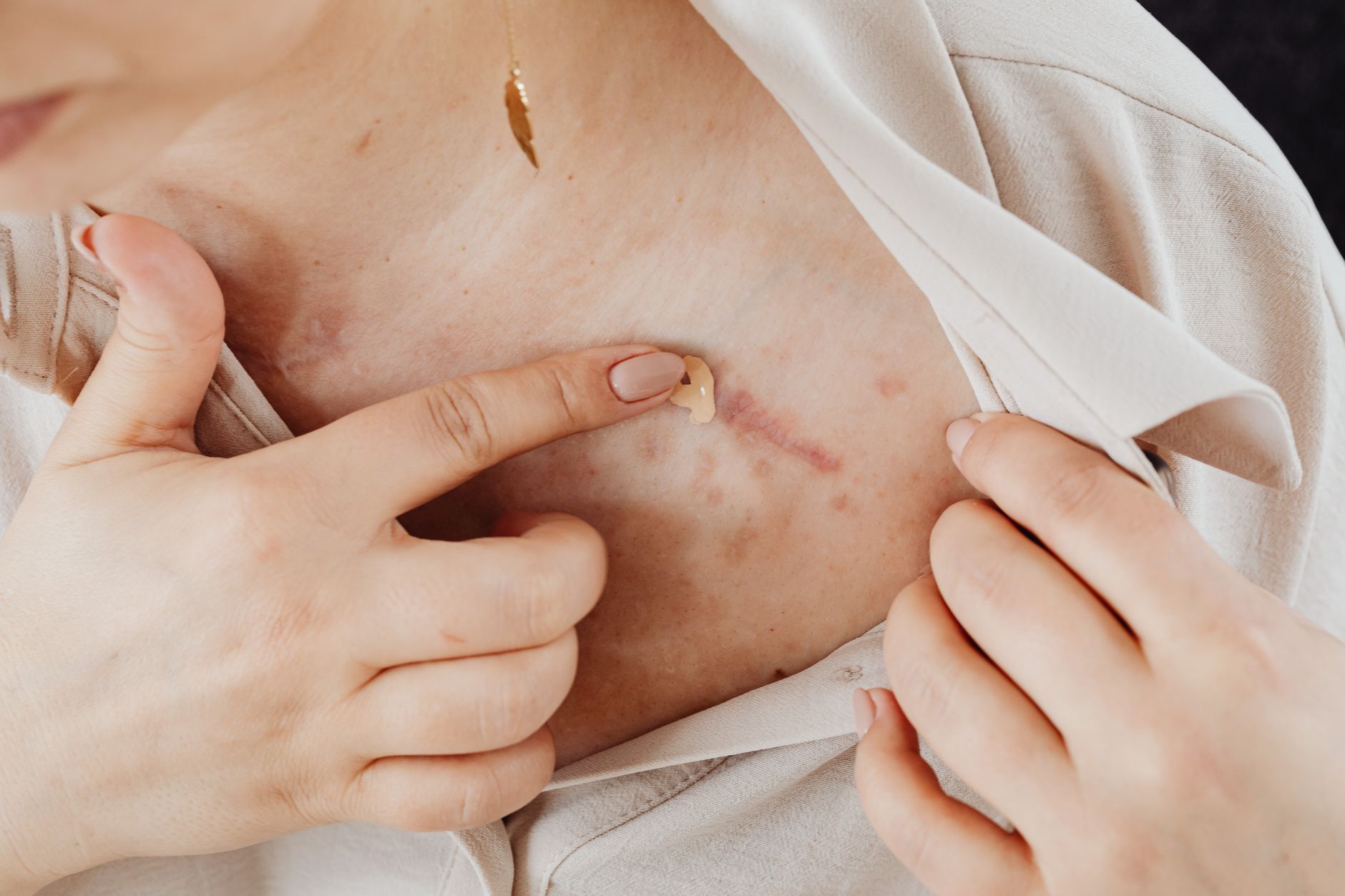
What Do Infection and Necrosis Mean After Cosmetic Surgery?
After cosmetic surgery, an infection is a complication that may occur when microorganisms multiply around the incision, causing signs such as redness, increased warmth, discharge, pain or fever. Necrosis occurs when surgically reshaped skin or fatty tissue loses its viability because it does not receive sufficient blood supply.
These risks do not occur in the same way with rhinoplasty, facelifts, tummy tucks, breast surgery, liposuction and combined procedures. The surgeon’s operating plan, skin circulation, smoking status, diabetes, previous surgical scars, the technique used and the postoperative follow-up process should all be assessed together.
If unexpected redness is spreading rapidly, pain is becoming increasingly severe, foul-smelling discharge, purple or black discoloration of the skin, fever or wound opening occurs, you should contact the surgical team on the same day rather than relying solely on remote advice. These signs do not necessarily indicate a definite diagnosis, but they may require prompt clinical assessment.
How Are Skin Circulation and Infection Safety Monitored in Turkey?
Verifying authorization and clinical processes
The provider selected for health tourism in Turkey should hold a Health Tourism Authorization Certificate issued by the Turkish Ministry of Health. This certificate demonstrates authorization to provide health tourism services; it is not, by itself, a guarantee of a specific result or that complications will not occur. You should also ask about the provider’s hospital license, the unit where the surgery will take place, emergency support capacity and quality certifications.
From an infection-control perspective, operating-room sterilization records, the policy on single-use materials, surgical hand antisepsis, the traceability of implants or prostheses and the wound-care protocol are important. An authorized clinic should be able to explain these processes through clear documentation and a written follow-up plan rather than verbal promises alone.
Key assessment areas in cosmetic surgery
Turkish specialists in plastic, reconstructive and cosmetic surgery may work with protocols that assess skin circulation in facelift flaps, nipple and skin viability in breast surgery, flap perfusion during tummy tucks and fluid balance after liposuction. During surgery, the tissue’s color, temperature, bleeding characteristics and circulation findings are taken into account. After the procedure, wound edges, drains, swelling and skin viability are examined at controlled intervals.
Before surgery, your medical history, previous operations, allergies, products or medications used, smoking and nicotine consumption, diabetes and circulation problems are reviewed. When necessary, blood tests, an anesthesia assessment, electrocardiography or relevant imaging may be requested. These steps may vary depending on the scope of the procedure and your current health status.
Infection and Necrosis Monitoring Within a Cosmetic Surgery Package
The planned package may include coordination of VIP airport transfers, accommodation, interpreter support, initial care and necessary medical products; the exact inclusions should be stated in the written quotation. Depending on the type of surgery, you may need to stay in Turkey for approximately 5–14 days and undergo a wound check and fitness-for-travel assessment before discharge.
During the preparation stage, photographs of the treatment area, your medical history, smoking or nicotine use and previous surgical scars are reviewed. In procedures involving large skin flaps, such as tummy tucks or facelifts, circulation risks are assessed specifically. If a breast implant is planned, the implant size, skin envelope and incision site are considered together.
Discharge and remote follow-up plan
Before your return, written instructions should be provided regarding incision care, showering and physical-activity restrictions, the use of compression garments or dressings, the follow-up date and the emergency contact channel. The flight date should be determined according to swelling in the surgical area, drain status and clinical examination findings; an early return should not be planned solely because of scheduling pressure.
Cosmetic Surgery Costs in Turkey and Country Comparison
Cosmetic surgery prices in Turkey vary depending on the scope of the procedure, anesthesia, hospital use, whether a single or combined procedure is performed and the duration of follow-up. The ranges below are general market comparisons for 2026 and do not replace an individual quotation or medical suitability assessment.
| Country | Approximate price range | General price inclusions |
|---|---|---|
| Turkey | €3,500–€10,000 | One cosmetic procedure, surgical team, hospital and basic follow-ups |
| United Kingdom | £7,000–£18,000 | Surgery, hospital and anesthesia costs for one procedure |
| Germany | €8,000–€20,000 | One procedure, hospital and early postoperative follow-ups |
| United States | $12,000–$30,000 | One procedure; surgeon, facility and anesthesia fees may usually be itemized separately |
Ask for the quotation in Turkey to list surgeon and anesthesia fees, hospital use, tests, accommodation, transfers, interpreter services, dressings and the number of follow-up visits separately. The total price may increase with combined surgeries; however, each additional procedure can also change the operating time and recovery demands.
Three Key Factors That Affect Infection and Necrosis Risk
- The surgeon’s expertise and relevant case experience: For procedures such as facelift flaps, tummy-tuck flaps, breast surgery or extensive liposuction, ask about the surgeon’s specific experience with skin circulation, wound separation and revision management. Portfolio photographs alone are not sufficient; the clinic should also explain what examination and intervention plan would be followed if a complication occurred.
- The technique and materials used: In tummy tucks or facelifts, flap thickness and tension distribution; in liposuction, cannula diameter and the volume of fat removed; and in breast surgery, the surface, shape and placement plan of the silicone implant may affect the cost. The surgical plan should clearly specify whether drains will be used, the incision site, the suturing approach and whether energy-based devices will be used.
- The clinic and hospital location: Hospital level, operating-room infrastructure, access to intensive care and accommodation costs may vary in major centers such as Istanbul, Ankara, Izmir and Antalya. When choosing a location, consider not only the price but also how quickly you could reach the surgeon and a fully equipped hospital if a wound problem occurred.
These factors affect not only the price but also the scope of surgery and the follow-up requirements. Because smoking or nicotine use, uncontrolled blood sugar, nutritional deficiencies and certain circulation problems may negatively affect wound healing, you should disclose your personal risks openly during the surgical consultation.
Questions to Ask Before the Procedure and Next Steps
Before making a decision, request a written surgical plan, an itemized price breakdown and a communication process for managing complications. The following questions can make the next assessment more specific:
- How will blood flow to the skin flap be assessed during a facelift or tummy tuck, and what follow-up intervals will be used if necrosis is suspected?
- If signs of infection develop, where will cultures, wound care, drain assessment and, if necessary, hospital support be provided?
- After the planned breast surgery, liposuction or combined cosmetic procedure, how many days will I need to stay in Turkey, and what examination will I need before flying?
The answers to these questions should be compatible with your procedure, measurable and provided in writing; this is fundamental to safe planning. No clinic can reduce the risk of infection or necrosis to zero, but early detection, regular follow-up and a prompt intervention plan may influence potential outcomes.