All-on-4 for Jawbone Loss: A Path to Same-Day Fixed Teeth
Jawbone loss can make implant planning more difficult, but it does not always mean treatment is impossible. In the All-on-4 approach, the goal is to use the existing bone strategically to create a suitable foundation for a full-arch fixed dental restoration.
The key point is that the term “same-day teeth” is not automatically applicable to everyone. In some cases, a temporary fixed prosthesis is planned in the same session, while in others additional preparation is needed first.
Safety and Clinical Standards for All-on-4 in Turkey
If treatment is being planned within health tourism in Turkey, clinics with a Ministry of Health-approved Health Tourism Authorization Certificate are preferred. This structure supports a treatment process that is documented, auditable, and suitable for international patient flow.
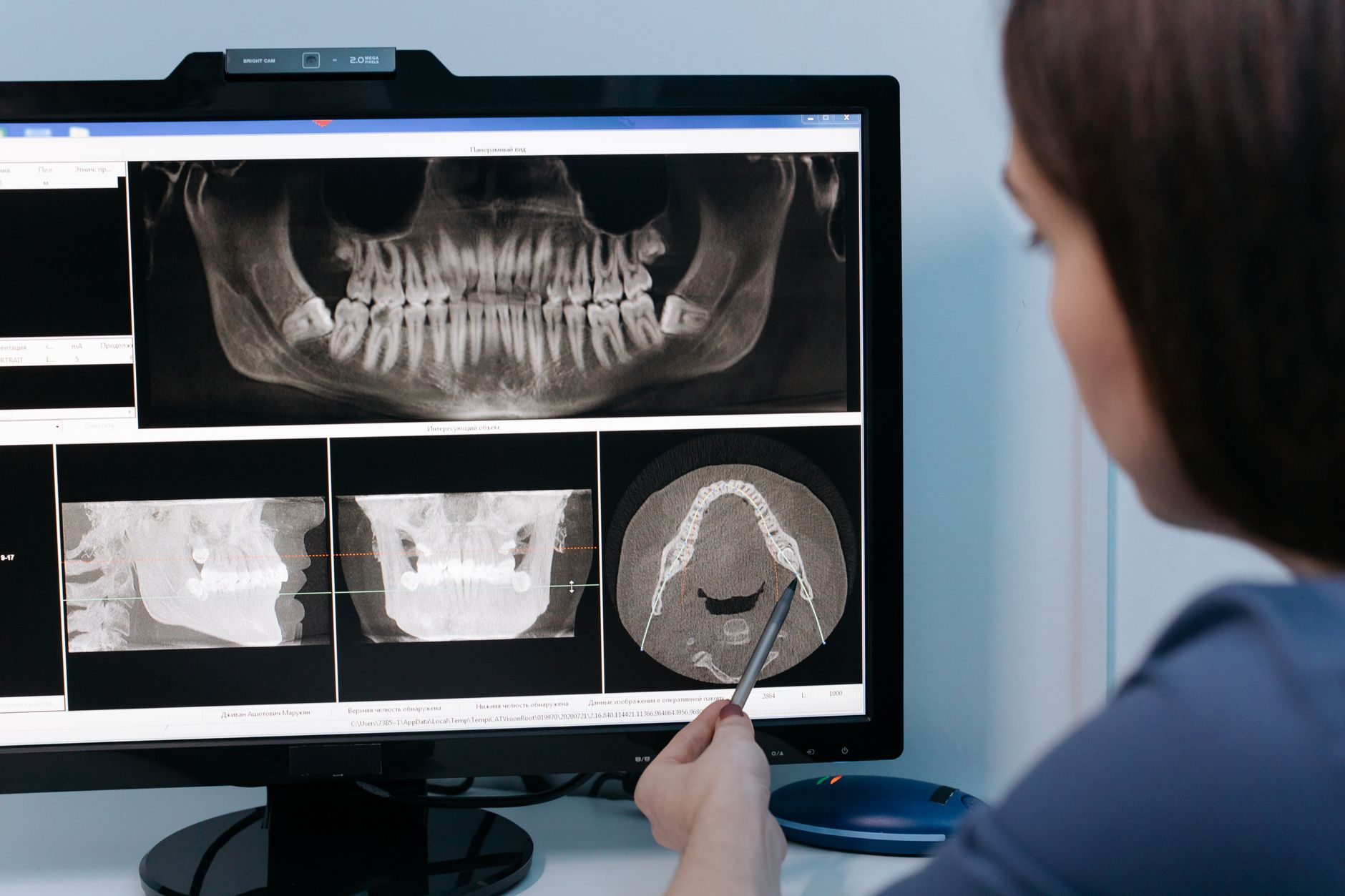
Turkish doctors working in the All-on-4 field use advanced panoramic assessment, 3D tomography, and occlusal analysis to carefully plan implant angle, support points, and the temporary prosthesis, especially in cases with advanced bone loss. When bone volume is limited, technical decisions such as angled implant placement in the posterior region are made on a case-by-case basis.
Key Points Evaluated During Assessment
- Jawbone volume and density
- Sinus area and anatomical boundaries
- Gum health and presence of infection
- Bruxism, smoking, and healing capacity
- Overall health status and systemic treatments used
What Is Included in an All-on-4 Package?
Health tourism packages usually include VIP transfer, hotel accommodation, interpreter support, and initial aftercare guidance. For All-on-4, a panoramic X-ray is also typically requested before travel, and in most cases a cone beam computed tomography (CBCT) evaluation is required; this helps clarify implant placement and the same-day temporary teeth plan.
Pre-Procedure Preparation Process
- Bone height and width are measured with CBCT
- If existing teeth need to be removed, the extraction plan is prepared
- The measurement and design stage for the temporary fixed prosthesis is arranged
- Blood thinner use, smoking, and systemic risks are reviewed
All-on-4 Costs in Turkey, the UK, Germany, and the USA
In cases with jawbone loss, the average cost of All-on-4 treatment in Turkey is often assessed in the range of €4,500–€8,500. The final price depends on the number of implants, the need for bone support, and the type of temporary or fixed prosthesis.
| Country | Average Price | Currency |
|---|---|---|
| Turkey | €4,500–€8,500 | EUR |
| United Kingdom | £9,000–£16,000 | GBP |
| Germany | €8,000–€14,000 | EUR |
| USA | $18,000–$35,000 | USD |
Why Does the Price Range Change?
- The doctor’s expertise and case experience: In cases with advanced bone loss, implant angle, load distribution, and prosthesis planning require more precise management.
- Technique and material selection: The implant system used in All-on-4, the abutment structure, and the design of the temporary prosthesis affect the cost.
- Clinic location: Centers in major cities may have different price levels due to imaging, laboratory, and surgical infrastructure.
Planning After All-on-4 and Frequently Asked Questions
After reading this page, the three most common questions usually focus on suitability, timing, and bone support. The headings below provide the best starting points for moving on to other treatment pages.
If jawbone loss is advanced, is same-day fixed teeth still possible?
In some cases, yes, but the decision is made based on CBCT, an intraoral examination, and an assessment of bone quality. If support is insufficient, additional surgical preparation may be needed first.
What is the difference between All-on-4 and traditional implant treatment?
All-on-4 aims for a fixed prosthesis with fewer implants in full-arch rehabilitation. Traditional implant planning is structured differently depending on the number of missing teeth and the condition of the bone.
How many days do you need to stay in Turkey?
For the initial surgery and temporary prosthesis planning, a few days of clinical follow-up are usually needed; the exact duration depends on bone condition and prosthesis design.