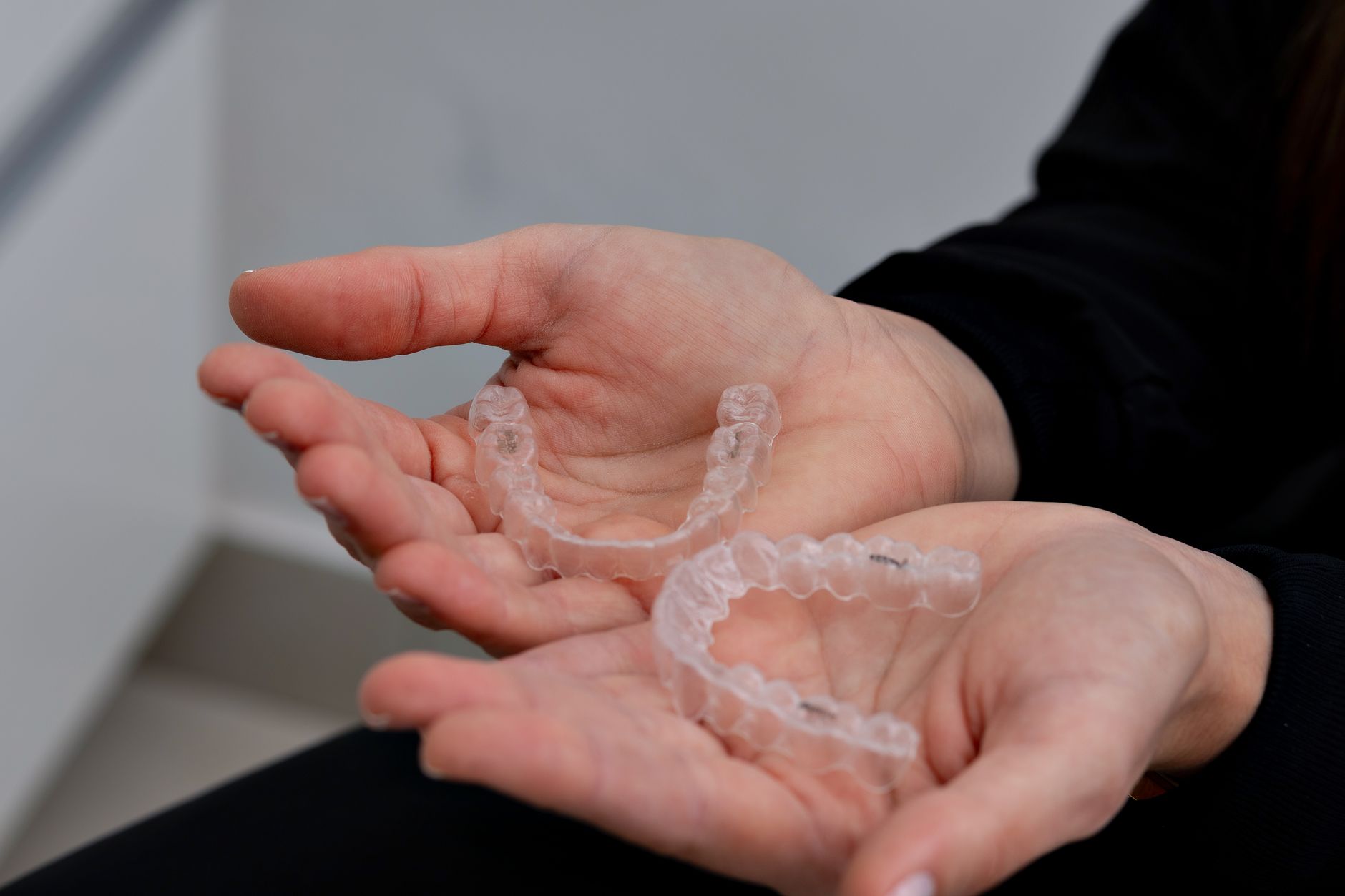
How does remote monitoring work in clear aligner treatment?
Clear aligner treatment is an orthodontic planning process that uses a series of aligners to move the teeth in a predetermined sequence. If you live abroad, an important part of the treatment can be organized through digital measurements, photo review, and remote check-ins.
This approach can make it possible to progress without frequent clinic visits; however, not every case is managed in the same way. Crowding, bite relationship, the need for extractions, and follow-up frequency directly affect the scope of the protocol.
Safety and digital orthodontic standards in Turkey
In Turkey, clear aligner treatment is more controlled when planned in Ministry of Health-approved healthcare institutions and centers with a Health Tourism Authorization Certificate. Digital scanning, serial photo records, and remote evaluation infrastructure make it easier to monitor the treatment plan regularly.
The case experience of Turkish orthodontists in clear aligner treatment is especially evident in mild to moderate crowding, bite correction, relapse cases, and adult orthodontics. In particular, 3D planning, attachment placement, and the timing of interim checks are key factors that increase treatment predictability.
Clear aligner treatment package and remote follow-up plan
In many plans, VIP transfer, hotel, interpreter, and initial care/adaptation guidance are offered within a single framework. In clear aligner treatment, the first appointment includes an intraoral scan, bite analysis, and aligner delivery planning; after that, remote follow-up intervals are set.
In centers such as Istanbul, Antalya, and Izmir, a companion can plan short city transfers on the treatment day, a light seaside walk the next day, an indoor visit, or a relaxed gastronomy break. Since clear aligner treatment does not require heavy physical activity, the travel schedule can be kept more flexible; still, in the first days, nutrition and aligner wear time should follow the clinic’s recommendations.
Cost comparison in Turkey, the UK, Germany, and the US
The average cost of clear aligner treatment in Turkey is often assessed in the €1,500–€3,500 range, although it varies depending on the scope of the case. This range may narrow or widen depending on the aligner system used, treatment duration, and follow-up intensity.
| Country | Average Price |
|---|---|
| Turkey | €1,500–€3,500 |
| United Kingdom | £2,500–£5,500 |
| Germany | €2,500–€6,000 |
| United States | $3,500–$8,000 |
Main criteria that determine price and treatment duration
- Doctor’s expertise and case experience: As the degree of crowding, bite problems, and the need for remote monitoring increase, planning becomes more detailed. Experience is especially important in adult orthodontics and complex bite corrections.
- Technology, method, and material type: 3D intraoral scanning, digital setup, attachment design, and the series aligner production system affect the price. In some cases, refinement aligners and interim correction sets may also increase the total cost.
- Clinic location: In major centers such as Istanbul, digital infrastructure and international patient coordination may be more comprehensive; this can be reflected in planning and operational costs. In smaller cities, the logistics structure may differ.
Compared methods
| Compared Methods | Key Advantage | Effect on Recovery Time |
|---|---|---|
| Clear aligners | Aesthetic appearance, removable design, and digital planning | Soft tissue adaptation is usually quick; the adjustment period may be short |
| Metal braces | Broader mechanical control and strong movement capability in complex cases | Friction and sensitivity may be more noticeable in the first days |
Next steps and the three most frequently asked questions
- Is my case suitable for remote monitoring? Mild to moderate crowding, good oral hygiene, and regular digital feedback are decisive in this process.
- How many times do I need to come to Turkey? An initial visit is usually needed for the first scan, plan approval, and delivery stages; the rest can be managed remotely depending on the case type.
- How are the aligner change interval and follow-up frequency determined? They are personalized according to the speed of tooth movement, bite goals, and interim fit assessments.