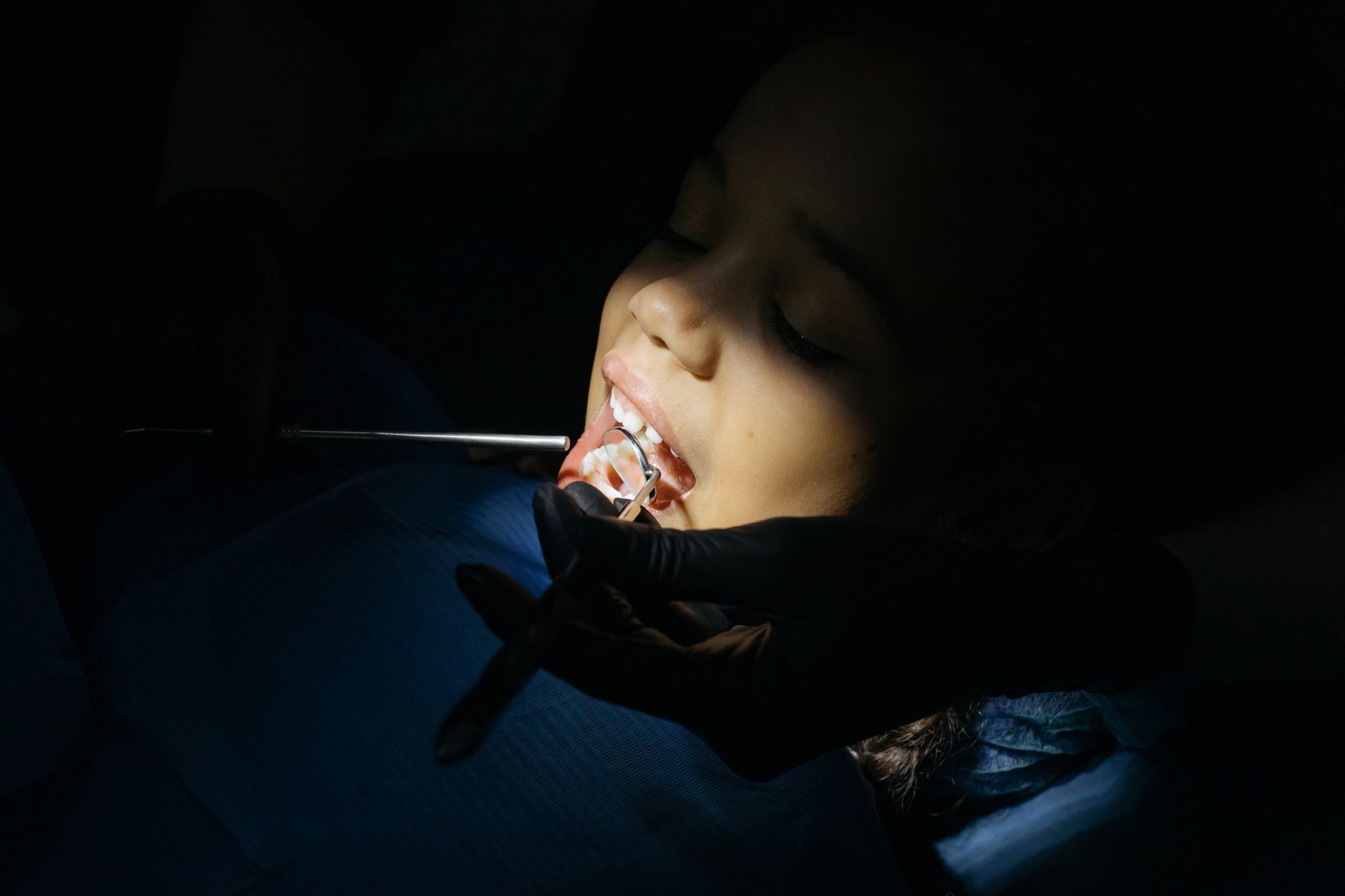
Why Is Emergency Infrastructure Important in Dental Treatment?
When considering dental treatment in Turkey, one of the most important questions is how an unexpected situation will be managed. When implants, surgical extractions, advanced periodontal procedures, sedation, or general anesthesia are planned, emergency management defines the safety framework of the treatment.
This issue is not limited to equipment in the clinic. A nearby hospital, emergency department access, advanced imaging, laboratory support, and intensive care access when needed are especially important for people with systemic diseases or those planning longer procedures.
Which situations are considered emergencies?
- Allergic reactions: May develop in response to local anesthetics, antibiotics, or materials used.
- Bleeding control: Prolonged bleeding, especially after surgical extraction and implant procedures, requires monitoring.
- Fainting and low blood pressure: May occur due to long procedures, fasting, stress, or medication use.
- Breathing-related problems: Are monitored more closely during sedation or general anesthesia.
For this reason, before treatment begins, not only the dental plan but also which hospital will be used in an emergency should be clearly defined.
How Are Safety, Authorization, and Hospital Links Evaluated in Turkey?
In centers operating within health tourism, having a Ministry of Health-approved Health Tourism Authorization Certificate is an important starting point. However, the certificate alone is not enough; the hospital the dental clinic can refer to in an emergency, the transfer time, and whether the physicians actually use this protocol should also be checked.
In Turkey, physicians performing oral, dental, and maxillofacial surgery, implantology, and sedation-assisted procedures gain regular case experience in areas such as bleeding control, infection management, sinus complications, and post-anesthesia monitoring. Especially in plans involving multiple implants, bone grafting, impacted tooth surgery, and full-mouth rehabilitation, the emergency response chain becomes even more important.
Concrete points to check when choosing a center
- Hospital access: A fully equipped hospital in the same campus or within a short distance.
- Emergency equipment: Oxygen, suction, basic life support equipment, and monitoring infrastructure.
- Referral protocol: A predefined plan for which hospital to go to, by which vehicle, and with which responsible staff member in an emergency.
- Type of procedure: Stronger preparation is required for sedation, general anesthesia, multiple surgeries, or long implant cases.
What should be sought here is not “the biggest clinic,” but a structure that can make decisions without delay in an emergency and practically use its hospital connection.
What Is Included in a Dental Treatment Package?
In health tourism packages, airport-clinic-hotel transfers, accommodation, interpreter support, and the initial care plan are usually organized together. For dental treatment specifically, a panoramic X-ray, and if needed dental tomography, as well as a review of systemic health history are performed before the procedure; if an implant or surgical plan exists, this preparation becomes more detailed.
The length of stay in Turkey varies depending on the type of treatment. While simple restorative procedures may be completed in a short time, implants, bone augmentation, or surgical extractions may require a few days or a longer plan for follow-up appointments.
What information is requested during preparation?
- Existing conditions: Such as diabetes, hypertension, and heart rhythm disorders.
- Medications used: Blood thinners and regular systemic medications are especially important.
- Allergy history: May affect the anesthesia and antibiotic plan.
- Imaging: A panoramic film or CBCT helps clarify the treatment plan.
This information makes it easier to anticipate emergency risks and reduces surprises on the treatment day.
Dental Treatment Costs in Turkey, the UK, Germany, and the USA
The cost of dental treatment in Turkey varies depending on the scope of the procedure, but generally starts at around €1,200 and can be higher in complex surgical and implant cases. In centers with strong emergency infrastructure and hospital links, the price varies according to the method used, the need for sedation, and the treatment duration.
| Country | Average Price | Currency |
|---|---|---|
| Turkey | €1,200 | EUR |
| United Kingdom | £1,800 | GBP |
| Germany | €1,600 | EUR |
| USA | $3,500 | USD |
These figures provide a general comparison, especially for implants, surgical extractions, and sedation-assisted procedures. The final cost depends on the examination findings, imaging results, and treatment plan.
Key Factors That Determine the Price and Process
The physician’s specialty and case experience
Procedures planned by an oral and maxillofacial surgeon and those planned by a general dentist do not offer the same level of safety. Physician experience directly affects the process, especially in bone grafting, advanced implant surgery, impacted tooth extraction, and sedation procedures.
The method used and the type of materials
The implant system brand and connection type, the graft material used for bone augmentation, the approach preferred in surgical extraction, and the need for sedation all affect the price. For example, a single-tooth implant and full-mouth implant rehabilitation are not the same plan; emergency preparation also differs accordingly.
The clinic’s location
In major cities, especially in areas with strong hospital access, prices may be higher. On the other hand, in centers with hospital links, the emergency referral chain is more clearly established, which also increases the sense of safety.
- Scope of the procedure: Single tooth, multiple implants, or the extent of the surgical plan.
- Additional preparation: CBCT, laboratory tests, sedation pre-assessment.
- Follow-up needs: Number of post-procedure check-ups and length of stay.
When evaluating the price, it is important to look not only at the procedure fee but also at safety layers such as emergency management and hospital access.
What Should You Ask Before Making a Final Decision on This Topic?
- Which hospital is used in an emergency? Is the transfer time, transportation method, and responsible team defined in advance?
- Will sedation or general anesthesia be used? If so, what evaluations are performed before the procedure?
- How do CBCT, panoramic X-ray, and systemic health history change the treatment plan? Are these details critical, especially in implant and surgical cases?
These questions help you understand not only whether the clinic provides treatment, but also whether it has the infrastructure to manage possible complications. When the right center is chosen in Turkey, dental treatment can proceed in a way that is both comfortable and carefully planned from a safety perspective.