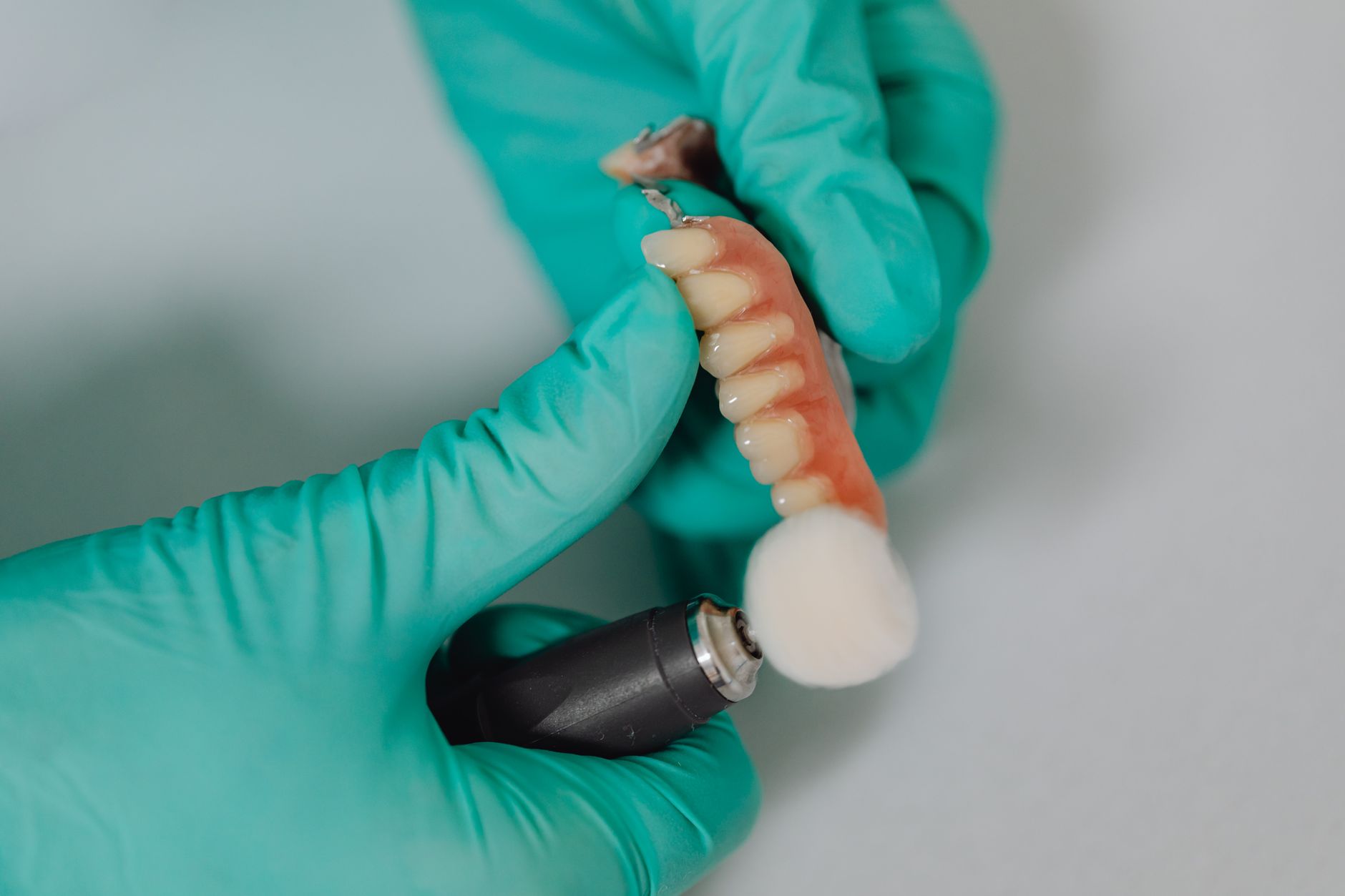
How is fixed tooth comfort planned with All-on-4?
All-on-4 is a solution for complete tooth loss or advanced tooth loss, where four implants are placed in one jaw to support a fixed prosthesis. It aims to provide a more stable experience in daily life instead of the movement, loosening, and chewing difficulties often associated with removable dentures.
This approach may be especially meaningful for people who have been avoiding certain foods because of missing teeth for a long time, hiding their smile, or struggling to adapt to dentures. The final plan is clarified through bone volume, bite relationship, and an intraoral examination.
Safety and clinical standards for All-on-4 in Turkey
When treatment is planned within the scope of health tourism in Turkey, clinics with a Health Tourism Authorization Certificate approved by the Ministry of Health are preferred. This structure helps registration, communication, follow-up, and operation organization for international patients proceed in a more systematic way.
Turkish doctors working in the All-on-4 field have a high case volume, especially in full-arch rehabilitation, implant placement after extractions, and the application of temporary fixed prostheses. This experience supports more predictable management of angled implant placement, arch planning, and prosthetic fit in cases with low bone density.
What is included in an All-on-4 Dental Implant package?
Packages usually include VIP transfer, hotel accommodation, interpreter support, and organization of the first check-up/care visit. For All-on-4, panoramic X-rays are typically planned at the first consultation, and if needed, dental tomography and jaw measurements are also arranged; this stage determines the angle of the implants and the timing of the temporary prosthesis.
In centers such as Istanbul, Antalya, and Izmir, options that are not tiring for the companion during the procedure day and the following light recovery period are often preferred. Indoor sightseeing, short seaside walks, quiet café breaks, and light culinary exploration are more suitable during the first days when there may be oral sensitivity.
All-on-4 costs in Turkey, the UK, Germany, and the US
The average cost of All-on-4 dental implant treatment in Turkey is assessed in most cases between €4,500 - €8,500, depending on the implant system and prosthetic material used. The exact price varies depending on whether one jaw or both jaws are planned, whether extractions are needed, and whether a temporary prosthesis is included.
| Country | Average Price | Currency |
|---|---|---|
| Turkey | €4,500 - €8,500 | EUR |
| United Kingdom | £9,000 - £16,000 | GBP |
| Germany | €8,000 - €15,000 | EUR |
| USA | $20,000 - $35,000 | USD |
Main factors that determine the price and process
The doctor’s planning experience
One of the most important factors affecting the price in All-on-4 is the doctor’s experience in full-arch rehabilitation and implant angle planning. In cases with bone loss, prosthetic load distribution, temporary prosthesis stability, and the aesthetic line are evaluated more carefully.
The implant system and prosthetic material
The implant brand, surface technology, abutment structure, and prosthetic framework material used in this treatment affect the cost. Options such as titanium implants, hybrid prostheses, zirconia-supported superstructures, or acrylic temporary prostheses directly influence the total price.
The city where the clinic is located
Between central locations in Istanbul and clinics in smaller cities, costs such as rent, operational infrastructure, and patient coordination may differ. This difference may be reflected in the package price and the scope of accommodation arrangements.
Which questions should be clarified after the procedure?
- What difference does bone volume make between a single-jaw All-on-4 plan and a double-jaw plan?
- Based on which tests is the timing between the temporary fixed prosthesis and the permanent prosthesis determined?
- If the jawbone is insufficient, how is it determined whether sinus lifting or additional grafting is needed?
These questions help choose the most appropriate treatment path during the next evaluation stage. In particular, as bone condition and prosthetic expectations become clearer, the package content and total cost can be shaped more realistically.