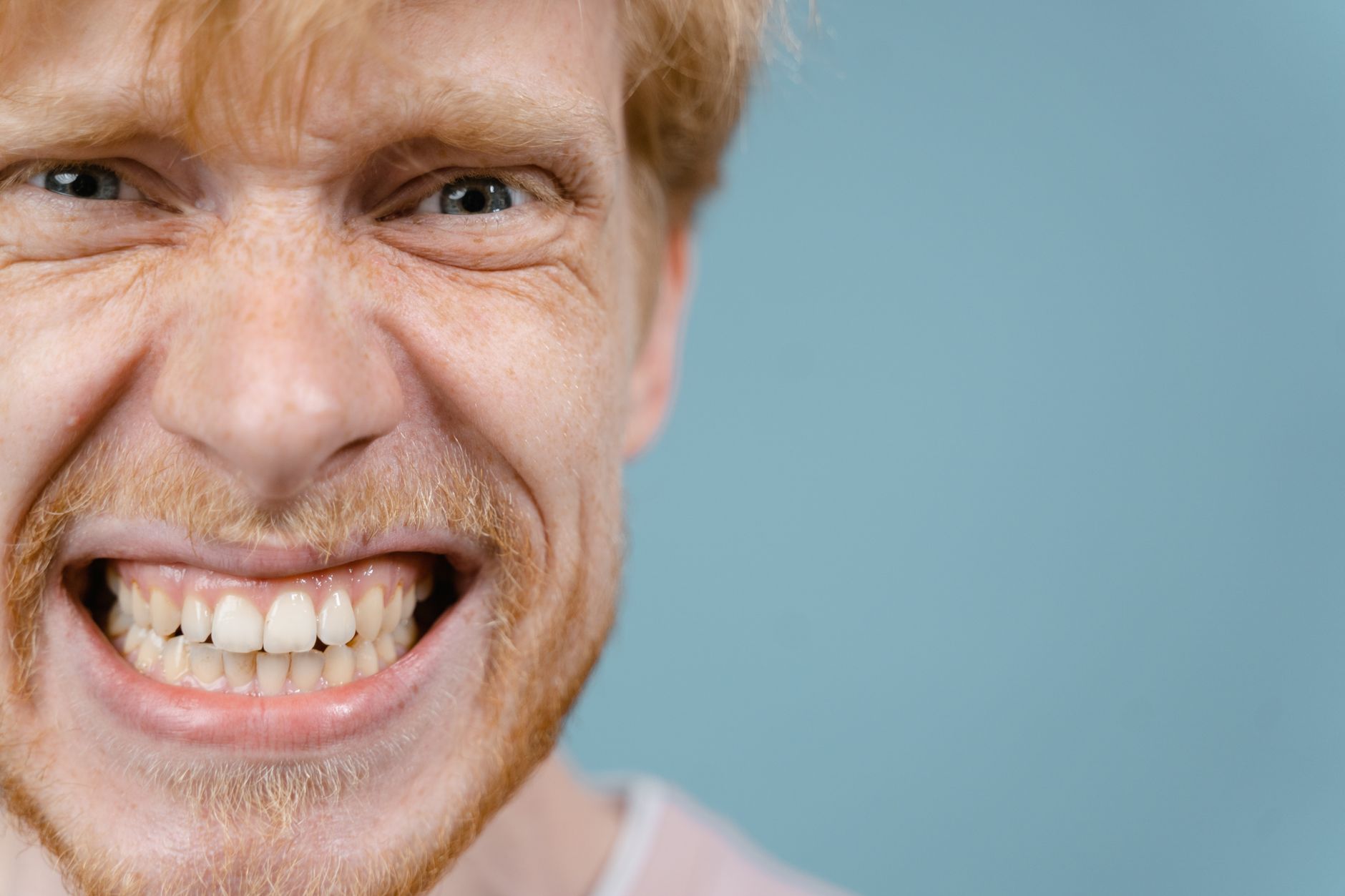
How Does the Hollywood Smile Plan Change When Bruxism Is Present?
Hollywood Smile does not only mean making the teeth look whiter; bite, tooth size, smile line, and chewing balance are planned together. If there is a habit of clenching or grinding teeth, durability becomes as important as the aesthetic result.
For this reason, placing veneers directly in the presence of bruxism may not always be the right approach. First, the forces applied to the teeth, enamel loss, jaw joint complaints, and the current bite relationship are evaluated.
Why is bruxism a critical factor?
Nighttime clenching can increase the risk of cracking, edge chipping, stress on the adhesive line, and sensitivity around the gums in porcelain or zirconia restorations. Therefore, the aesthetic plan is based not only on appearance but also on mechanical durability.
- Enamel wear: The amount of natural tooth structure remaining before veneers is examined.
- Bite force: The load on the front teeth affects the type of restoration.
- Jaw joint condition: If there is pain, locking, or morning fatigue, the plan may change.
- Protective approach: A night guard, splint, or staged treatment may be needed.
Safe Planning and Clinical Evaluation in Turkey
In Turkey, this procedure is planned more carefully when performed in clinics with a Health Tourism Authorization Certificate approved by the Ministry of Health. Especially in cases managed by dentists working in aesthetic dentistry and occlusion control, not only color and shape but also chewing balance and long-term use expectations are taken into account in patients with bruxism.
In a case with suspected bruxism, a good clinical approach progresses with measurements, photographs, digital analysis, and additional tests if needed, rather than making a decision in a single session. This approach helps reduce unnecessary tooth reduction and the risk of later fractures.
Main points assessed during evaluation
- Bite analysis: The contact pattern of the front and back teeth is examined.
- Digital smile design: Tooth length, lip line, and facial proportions are evaluated together.
- Restoration selection: Laminate veneer, full ceramic, or zirconia options are considered.
- Protective plan: The need for a night guard is determined in advance.
In a mouth with bruxism, aesthetic decisions are not made by looking at photos alone. The dentist’s experience with bite management directly affects the result.
Hollywood Smile Process and Package Coverage
In Turkey, packages offered within health tourism usually include VIP transfer, hotel accommodation, interpreter support, and initial care organization. In addition, for patients with bruxism, the first examination includes bite registration, digital impressions, and, if needed, night guard planning.
The stay for a Hollywood Smile often ranges from a few days to a week, because try-ins, shade selection, temporary application, and final placement take time. If bruxism is present, this period may be planned a little more carefully to ensure the bite settles safely.
Preparations specific to this issue
- Digital impressions and photo analysis: Facial-tooth harmony is recorded before smile design.
- Occlusion check: Clenching force and contact points are evaluated.
- Temporary restoration: Shape and comfort are tested before the final veneers.
- Night guard plan: Preparation may be made for protection after treatment.
These steps affect not only the aesthetic result but also the durability of the restoration in daily use.
Cost Comparison in Turkey, the UK, Germany, and the USA
For a patient with bruxism, the cost of a Hollywood Smile may vary compared with standard aesthetic cases because bite analysis, additional protective measures, and sometimes a more durable material choice are needed. In Turkey, the average cost is generally assessed at around €2,500 - €5,500.
| Country | Average Price | Currency |
|---|---|---|
| Turkey | €2,500 - €5,500 | EUR |
| UK | £4,000 - £9,000 | GBP |
| Germany | €3,500 - €8,000 | EUR |
| USA | $6,000 - $15,000 | USD |
This table provides a general comparison for full smile design and multiple veneer planning, not a single tooth. In the presence of bruxism, the final figure may vary depending on the chosen material and protective protocol.
Factors That Determine the Price and Process
The dentist’s expertise and bite experience
In bruxism cases, knowledge of occlusion is as important as aesthetic dentistry. If the dentist does not distribute the load on the front teeth correctly, the veneers may cause problems in a short time.
The chosen material and method
The laminate veneer, monolithic zirconia, or full ceramic options used in Hollywood Smile planning affect both price and durability. If clenching force is high, a more controlled thickness, a different preparation margin, or an additional protective night guard may be considered.
The clinic’s location
In major cities such as Istanbul, Ankara, and Izmir, prices may vary depending on laboratory infrastructure and clinic standards. Central locations usually have higher operating costs, which may be reflected in the overall plan.
- Level of expertise: Dentists who plan aesthetic design and bite management together.
- Material preference: Choice of laminate veneer, zirconia, or full ceramic.
- City and clinic location: Laboratory quality and operating expenses.
When evaluating the price, it is important to consider not only the number of veneers but also the additional safety steps required due to bruxism.
The 3 Most Rational Questions Before the Final Decision
With bruxism, is laminate veneer or zirconia safer?
This question relates to material selection and durability comparison. Bite force and enamel loss directly affect this decision.
Is a night guard necessary before Hollywood Smile?
The need for a night guard depends on the severity of clenching and the type of restoration. This topic should be considered together with protective splint planning.
If there is jaw joint pain, which evaluation is done first?
If there are jaw joint complaints, a functional examination is needed before aesthetic design. This issue is related to temporomandibular joint evaluation.