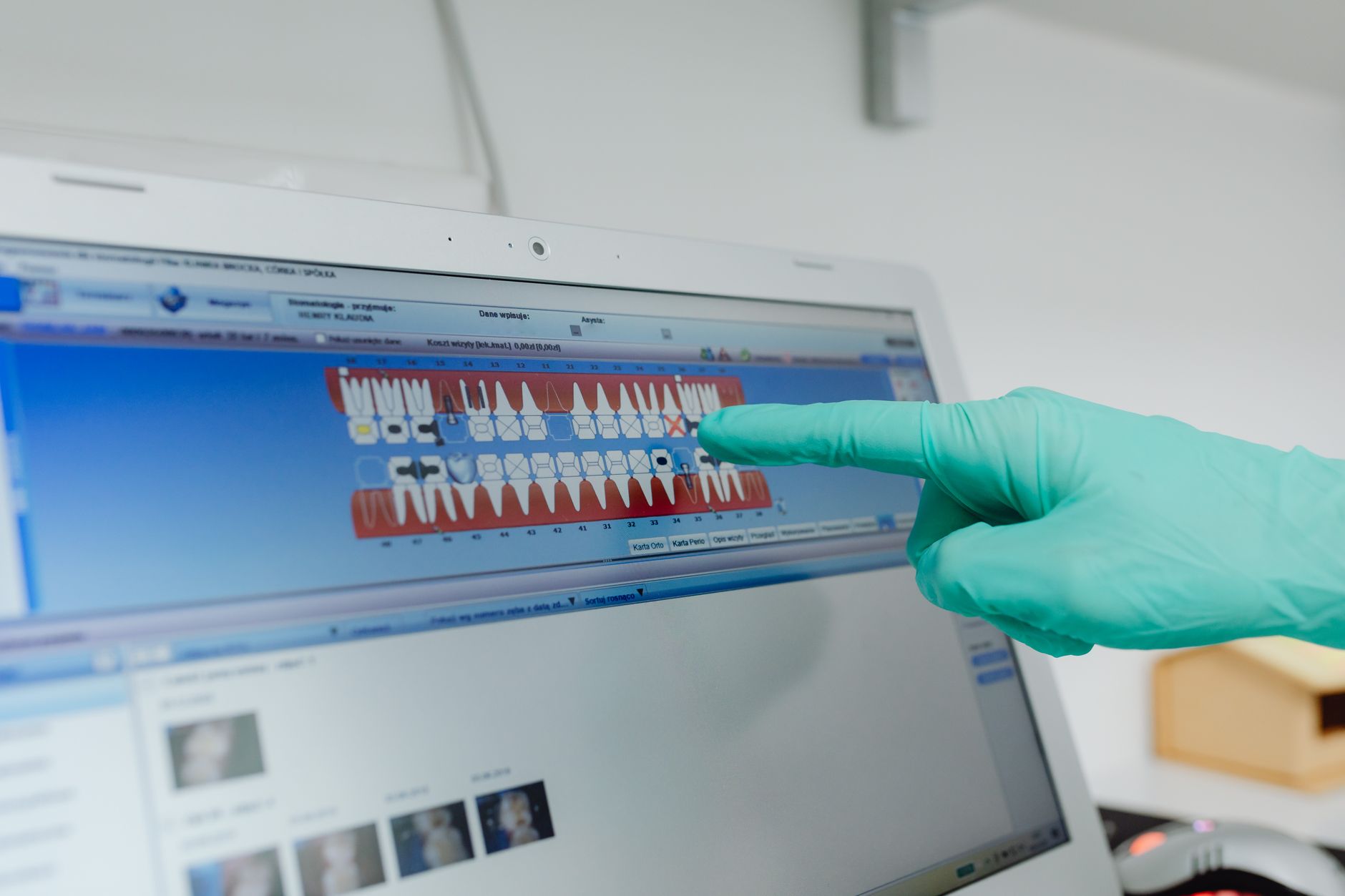
Introduction to Digital Dental Restorations with 3D CAD/CAM
3D CAD/CAM technology is a process in which the intraoral impression is taken digitally, the restoration is designed on a computer, and then produced with specialized devices. This approach reduces the need for traditional impression materials and helps the restoration fit the tooth in a more controlled way.
In Istanbul’s luxury dental clinics, this system is often preferred for aesthetic and functional solutions planned in a single session. In crowns, veneers, inlays-onlays, and some bridge applications, the digital workflow improves both patient comfort and laboratory precision.
Safety and Clinical Standards in CAD/CAM Applications in Istanbul
Clinics with a Health Tourism Authorization Certificate approved by the Ministry of Health of the Republic of Turkey comply with specific record-keeping, hygiene, and process standards when accepting international patients. This framework supports transparent treatment planning and organized communication.
In Istanbul, dentists working in digital dentistry frequently use the CAD/CAM workflow for all-ceramic crowns, zirconia frameworks, laminate veneers, and implant-supported restorations. In particular, multiple restorations, bite alignment, and aesthetic anterior cases require experience in digital impression and design.
Key Points Considered in Evaluation
- Relationship between the teeth and jaw bite
- The area where the restoration will be applied
- The amount of existing tooth structure
- Aesthetic expectations and color matching
- If needed, planning together with implant or root canal treatment
What Is Included in an Istanbul CAD/CAM Dental Treatment Package?
At many centers, VIP transfer, hotel arrangements, interpreter support, and initial aftercare guidance are planned together. These services make the appointment flow and the process outside the clinic more organized, especially for patients coming from abroad.
In CAD/CAM treatment, digital scanning, impression analysis, and shade selection are usually done on the first day, followed by the design and production stages. While the process is often shorter for single-tooth restorations, multiple crowns or full-mouth plans may require try-in and fit checks within a few days.
How Does the Process Work?
- Initial examination and digital intraoral scan
- Computer-aided design stage
- Milling or production of the restoration
- Try-in, bite check, and final bonding
CAD/CAM Dental Prices in Turkey, the UK, Germany, and the USA
In Istanbul, the average cost of 3D CAD/CAM-based dental restorations is generally assessed in the range of €250–€700, depending on the scope of the procedure. Full-mouth planning, the material used, and additional procedures can increase this range.
| Country | Average Price | Currency |
|---|---|---|
| Turkey | €250–€700 | EUR |
| United Kingdom | £350–£900 | GBP |
| Germany | €400–€1,000 | EUR |
| USA | $600–$1,500 | USD |
This comparison provides a general market range for single-tooth CAD/CAM crowns or similar restorative procedures. The exact price depends on the condition of the mouth and the selected material.
Factors That Determine CAD/CAM Price and Process
The dentist’s expertise and case experience
When digital impression, design, and bite adjustment are evaluated together, the dentist’s experience makes a clear difference. Planning precision is especially important in anterior aesthetics, multiple restorations, and implant-supported cases.
The technology used and the type of material
Different materials such as zirconia, lithium disilicate, or all-ceramic blocks may be used in the CAD/CAM system. The quality of the milling unit, scanner accuracy, and laboratory workflow affect both the cost and the fit of the final result.
The clinic location
Clinics in central areas of Istanbul may have higher rent, staffing, and operating costs. This can be reflected in prices, especially in centers that accept international patients and use advanced digital infrastructure.
- Whether a single tooth or multiple restorations are planned
- Whether a temporary restoration is needed
- Additional procedures: gum reshaping, root canal treatment, implant-supported planning
Next Steps: Which Questions Should Be Clarified Before CAD/CAM?
After reading this page, the three most rational questions usually focus on clarifying the scope of treatment, the timeline, and the choice of material. The following topics are a good starting point for moving on to related subtopics.
- What is the difference between a CAD/CAM crown and a traditional porcelain crown?
- Which is more suitable: zirconia or lithium disilicate?
- Is same-day restoration possible, or is a try-in needed?
The answers to these questions depend on the tooth’s position, bite relationship, and aesthetic expectations. For a clear plan, digital scanning and clinical examination should be evaluated together.