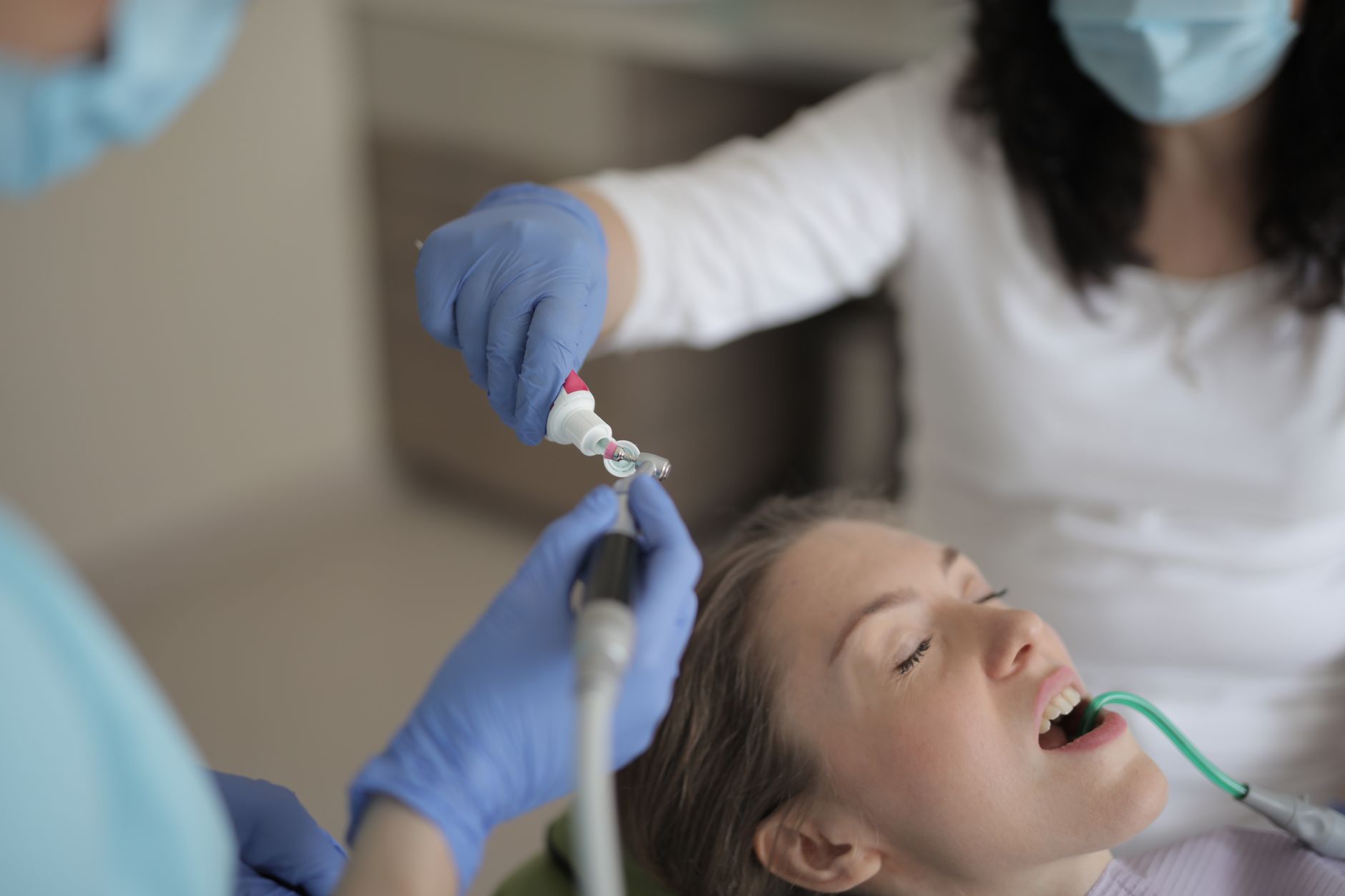
How Does Pain Perception Change in Dental Treatment?
Whether you feel pain during dental treatment depends on the depth of the procedure and the level of sensitivity inside the mouth. For procedures such as simple fillings, root canal treatment, extraction, or implants, the goal is to control pain before the treatment begins.
In many cases, local anesthesia temporarily stops nerve transmission in the treatment area and significantly reduces sharp pain during the procedure. However, pressure, vibration, or pulling sensations may not disappear completely; this is often considered normal.
Which sensations are normal?
- Pressure: Especially during extraction and implant procedures.
- Vibration: May be felt when drills or ultrasonic devices are used.
- Numbness: This is the expected effect of local anesthesia.
- Mild sensitivity: May continue for a few hours after the procedure.
Is Local Anesthesia Enough for Dental Treatment?
For most dental treatments, local anesthesia alone is sufficient. In particular, single-tooth procedures, limited extractions, fillings, and many root canal treatments can be planned comfortably with this method.
However, if the procedure is long, if there is significant anxiety, if several teeth will be treated in the same session, or if a surgical procedure is planned, additional support may be needed alongside local anesthesia. At this point, sedation, general anesthesia, or different pain control protocols may be considered.
Limits of local anesthesia
- It does not completely eliminate anxiety: Pain decreases, but tension may remain.
- Additional doses may be needed for long procedures: The duration of effect is limited.
- Its effect may be reduced in inflamed areas: The plan may change, especially if there is infection.
Safety and Comfort Standards in Dental Treatments in Turkey
Clinics in Turkey that provide services within health tourism and hold a Health Tourism Authorization Certificate approved by the Ministry of Health create the anesthesia plan after a pre-procedure evaluation. This approach helps make pain control during treatment more predictable.
Dentists plan treatment by taking into account the procedure type, jaw structure, presence of infection, previous anesthesia experience, and general medical history. The anesthesia approach is determined in more detail, especially for implant surgery, impacted tooth extraction, and multiple restorations.
Key points assessed during evaluation
- Type of procedure: Filling, root canal, extraction, implant, or prosthetic preparation.
- Session length: Short procedures and surgical procedures are planned differently.
- Level of sensitivity and anxiety: Affects the comfort plan.
- Presence of infection or inflammation: May change the response to anesthesia.
What Does a Dental Treatment Package in Turkey Include?
Health tourism packages usually include VIP transfer, hotel accommodation, interpreter support, and initial care/medication guidance. In addition, a panoramic X-ray, 3D dental tomography if needed, and an intraoral examination are often used to create the initial treatment plan.
The length of stay in Turkey varies depending on the scope of the procedure; while treatments completed in a single session may require only a short visit, implants or multi-stage restorations may require additional days for follow-up appointments.
What Is Planned Before the Procedure?
- Imaging: A panoramic X-ray or CBCT is used to assess the bone and tooth roots.
- Examination: Decay, infection, and gum condition are evaluated.
- Anesthesia selection: Local anesthesia or an additional method is chosen according to the procedure.
Cost of Dental Treatment in Turkey, the UK, Germany, and the USA
The cost of dental treatment in Turkey varies depending on the procedure, but is generally assessed in the range of €300–€1,500. For comprehensive implant treatment, aesthetic restorations, or multiple tooth treatments, the total cost may be higher.
| Country | Average Price | Currency |
|---|---|---|
| Turkey | €300–€1,500 | EUR |
| United Kingdom | £500–£2,500 | GBP |
| Germany | €600–€3,000 | EUR |
| USA | $800–$4,500 | USD |
The reason for this difference is not only the procedure fee; the materials used, clinic infrastructure, imaging needs, and number of sessions also affect the total cost. The price range may widen especially in surgical and aesthetic dental treatments.
Factors Affecting the Price and Process of Dental Treatment
The dentist’s specialty and case experience
Dentists working in endodontics, oral and maxillofacial surgery, or prosthetic dental treatment make more detailed plans, especially for difficult cases. This may affect both the anesthesia approach and the procedure time.
The method used and type of material
In implant treatment, the implant system, need for bone grafting, and use of a surgical guide; in root canal treatment, microscope support and the complexity of the canal anatomy may change the price. In filling and crown procedures, the choice of material such as porcelain, zirconium, or composite also affects the total cost.
Clinic location
Rental, infrastructure, and operating costs may differ between centers in large cities and clinics in smaller locations. This difference may be directly reflected in treatment fees.
Which Questions Should Be Clarified Next?
- Will local anesthesia alone be enough for my procedure, or should sedation also be considered?
- Will the planned treatment be completed in one session, or will a follow-up and second appointment be needed?
- Which imaging and examination steps are necessary before the procedure for pain control?
These questions are a good starting point to better understand your treatment plan. The final decision is made after an intraoral examination and the dentist’s evaluation.