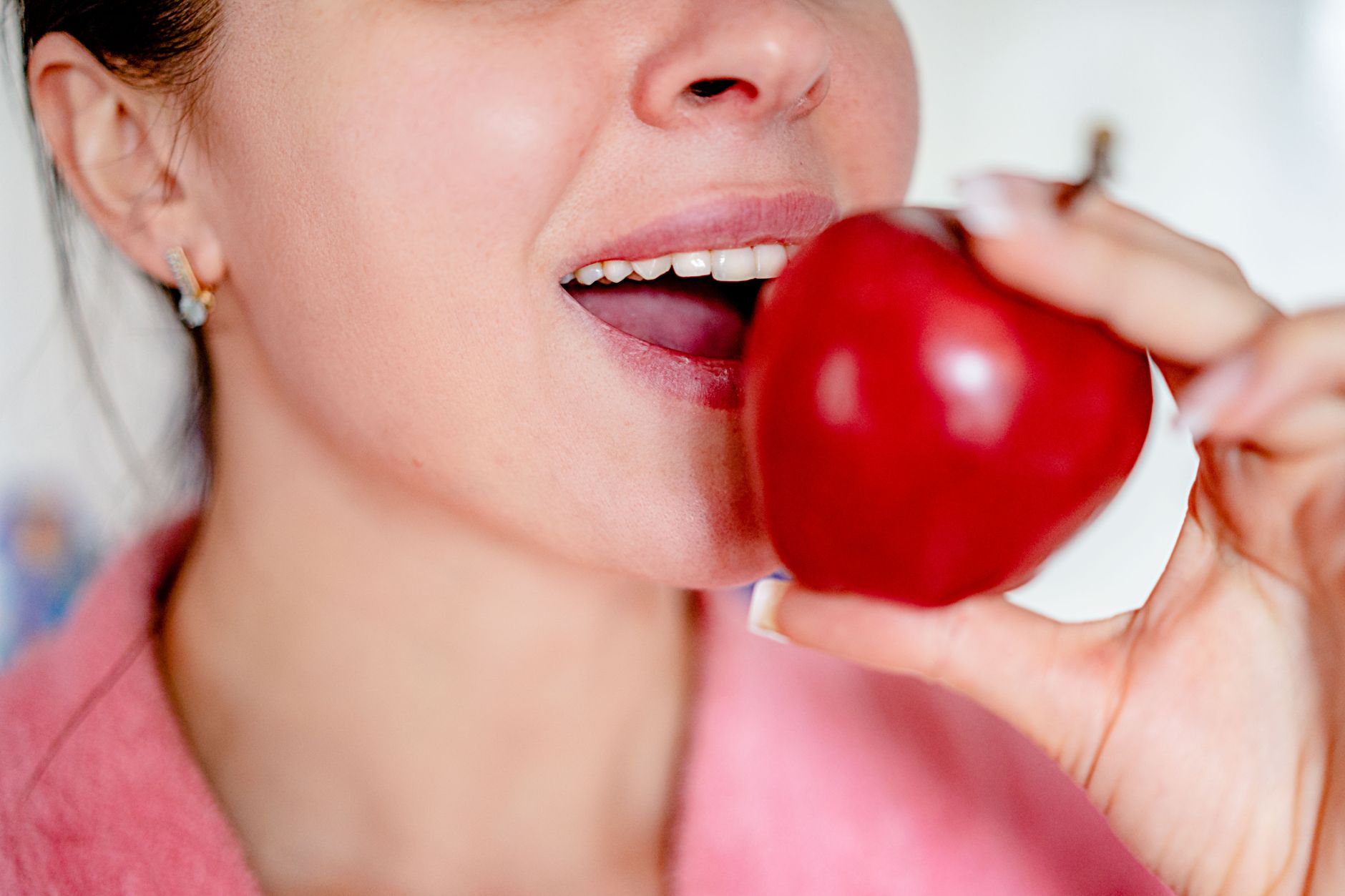
Your First Meal After Dental Veneers: What Should You Expect?
Right after dental veneers are placed, whether you can eat “normally” depends on which stage of the procedure has been completed. A temporary veneer, a permanent veneer, the type of adhesive, and the dentist’s final check all affect how comfortable your first meal will be.
In general, it is not recommended to start eating very hard, very sticky, or extremely hot foods as soon as the procedure is finished. Beginning with soft, lukewarm options in the first hours makes the adjustment period more comfortable.
Can you eat right away?
In many cases, you can eat something light; however, this does not mean you can comfortably eat everything. Extra care is especially important in the first hours after newly bonded permanent veneers.
- First 1-2 hours: It is safer to wait without eating if possible.
- First 24 hours: Choose soft, lukewarm foods in small bites.
- First few days: Avoid hard, sticky, and very hot foods.
How Nutrition Differs by Veneer Type
Not every veneer behaves the same way. With options such as porcelain, zirconium, E-max, or temporary veneers, durability, bonding time, and sensitivity levels may differ.
For this reason, there is no single answer to the question of when you can eat normally after veneers are placed; the material used and the application technique are decisive.
Temporary veneers vs. permanent veneers
Temporary veneers can be more delicate than permanent ones. For this reason, reducing chewing force and avoiding biting on one side is often more appropriate.
With permanent veneers, daily eating can usually resume more quickly once the bonding process is complete; still, it is important to be careful during the first few days.
Which foods are safer?
- Yogurt, puree, soup
- Soft pasta
- Omelet
- Boiled vegetables
- Soft fish
Foods to Avoid in the First Days
In the early period after veneers, some foods can make the margins harder to fit properly or place unnecessary stress on the restoration. Sticky and hard foods, in particular, can create risks for newly made restorations.
Being careful during this period helps reduce the chance of sensitivity, breakage, or bonding problems later on.
Examples of risky foods
- Hazelnuts, almonds, hard chips
- Sticky foods such as caramel, gum, and Turkish delight
- Very hot coffee and tea
- Ice, hard candy, and shelled nuts
- Hard sandwiches that require biting with the front teeth
How Long Until You Return to a Normal Diet?
The return to a normal diet often begins within a few days, but feeling fully comfortable may take longer. This period can be extended, especially for people who experience sensitivity.
The first follow-up appointment is important for assessing the fit of the veneer and the bite contact. If there is a feeling of high bite, pain, or pressure on one point, the dentist may make adjustments.
When will it feel more comfortable?
In most cases, adjustment begins within the first 24-72 hours. Within a week, you may be able to return to your daily eating routine more safely.
Even so, being careful when biting hard foods helps support the long-term durability of the veneer.
Follow-Up and Safety After Veneers in Turkey
Many clinics working within health tourism in Turkey organize post-procedure follow-up in a planned way. This follow-up is especially important for international patients before they return home.
A well-planned follow-up process makes it easier to assess the veneer’s marginal fit, bite balance, and any early sensitivity.
What is checked during follow-up?
- Veneer margin fit
- Bite balance
- Temporary sensitivity
- Initial adaptation after bonding
Frequently Asked Questions
Can I drink coffee after veneers are placed?
Lukewarm coffee usually does not cause a problem; however, very hot drinks are not recommended in the first hours. If you have sensitivity, lukewarm drinks are more suitable.
Can I bite into an apple after front tooth veneers?
In the first days, it is safer to cut it into small pieces rather than biting directly into it. A strong biting motion can create unnecessary pressure, especially with new veneers.
What should I do if a veneer comes off?
If the veneer shifts or comes off, you should keep the piece and contact your dentist. Trying to reattach it yourself is not appropriate.
In conclusion, it is usually not the right approach to return immediately to a completely normal and unrestricted eating routine after dental veneers are placed. Controlled eating in the first hours and days supports both comfort and treatment success.