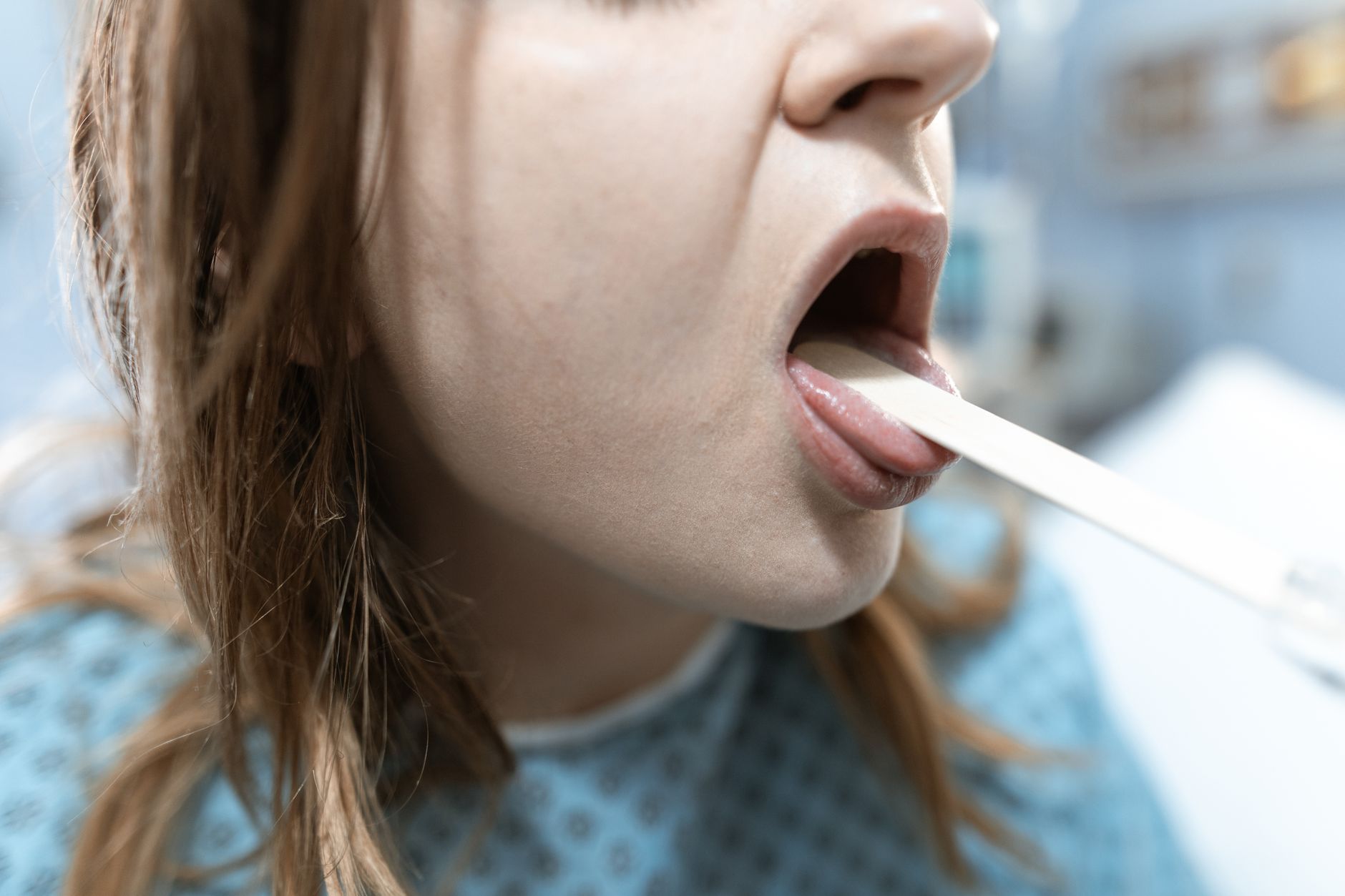
Clinical Meaning of Salivary Gland Stones and the Endoscopic Solution
A salivary gland stone is often noticed as one-sided swelling that increases especially during meals, along with tenderness and sometimes a bad taste in the mouth. The location and size of the stone, as well as the duct structure, directly affect the treatment plan; for this reason, endoscopic intervention stands out as a targeted approach that can help preserve the gland in suitable anatomical conditions.
In Turkey, within the scope of health tourism, this procedure is planned with an ear, nose and throat or oral, maxillofacial and facial surgery evaluation. The aim is not only to remove the stone, but also to reopen saliva flow and prevent unnecessary tissue loss.
Safety and Clinical Standards in Sialolithiasis Treatment in Turkey
In centers with a Health Tourism Authorization Certificate approved by the Ministry of Health of the Republic of Turkey, the process is carried out with a registered patient flow, sterile surgical infrastructure, and a controlled follow-up system. The thin duct endoscopes used in endoscopic sialolithiasis treatment make planning safer and more measurable by allowing the stone to be seen directly.
The experience of Turkish physicians in this field is based on carefully applying gland-preserving procedures, especially for small and medium-sized stones in the submandibular gland duct. When the duct anatomy is narrow, the stone is multiple, or it is close to the mucosa, the decision-making process is handled in more detail and combined techniques are considered if needed.
Dynamic surgical approach comparison
| Methods Compared for You | Most Important Benefit for You | Your Recovery and Hospital Stay |
|---|---|---|
| Endoscopic sialendoscopy | Targeted stone removal through the duct while preserving gland tissue | Same-day discharge or 1 night of observation in most cases |
| Open surgical stone removal / gland surgery | Possible definitive solution for large, hard, or embedded stones that cannot be reached endoscopically | Usually longer recovery; 1-2 nights in hospital depending on the case |
The endoscopic approach aims for a smaller incision, less tissue trauma, and a faster return to daily life in suitable cases. Open surgery becomes an option when endoscopy is insufficient because of the stone’s location.
What Is Included in a Salivary Gland Stone Treatment Package?
Packages usually include VIP transfer, hotel accommodation, interpreter support, and initial care/medication arrangements planned through a short organization process. Before the procedure, ultrasound, if needed contrast imaging, and an examination to assess duct patency are usually performed; as the stone’s location within the gland becomes clearer, the procedure time and approach can be determined more accurately.
Choosing a hotel close to the hospital for the accompanying person makes it easier to manage the process more calmly; the possibility of staying together during the hospital stay may vary according to the center’s policy. While you rest, quiet areas where the accompanying person can take short walks nearby may help reduce stress, especially on the day of the procedure.
Cost Comparison in Turkey, the United Kingdom, Germany, and the United States
The average cost of salivary gland stone treatment in Turkey may range from approximately €1,200-€2,800, depending on the case and the method used. The endoscopic procedure, the size of the stone, and whether additional surgery is needed affect the total cost.
| Country | Average Price |
|---|---|
| Turkey | €1,200-€2,800 |
| United Kingdom | £2,500-£5,500 |
| Germany | €2,000-€4,500 |
| United States | $4,000-$9,000 |
This comparison shows only the general market range; the exact plan becomes clear according to imaging findings and the type of procedure. In particular, the use of endoscopic equipment and hospital stay can directly affect the total cost.
Key Factors That Determine the Price and Process
- The physician’s specialty and case experience: In cases with narrow duct anatomy, a history of recurrent stones, or a need for a gland-preserving approach, the level of experience affects planning.
- Technique and method selection: Options such as sialendoscopy, basket stone removal, duct dilation, laser-assisted fragmentation, or combined open intervention change the cost depending on the stone’s size, hardness, and location.
- The clinic’s location: Fully equipped hospitals in major cities may be priced differently because of imaging access and operating room infrastructure.
The variables in this section also affect the procedure time and recovery plan. In particular, whether the stone is mobile within the duct is an important detail that determines whether a single session is sufficient.
Post-Procedure Follow-up and the Most Rational Questions
What is checked first during follow-up
The first check after the procedure evaluates whether saliva flow has reopened and the level of swelling. If needed, remote follow-up appointments are used to continue monitoring wound healing, pain level, and recurrence of stone formation.
- Under which anatomical conditions is the chance of endoscopic stone removal higher?
- How are cases treated with gland preservation distinguished from those requiring gland removal?
- What follow-up plan is applied to reduce the risk of stone recurrence after the procedure?
These questions clarify the next evaluation steps and form the basis for directing patients to suitable subtopic pages. The most accurate approach is personalized according to imaging and examination findings.