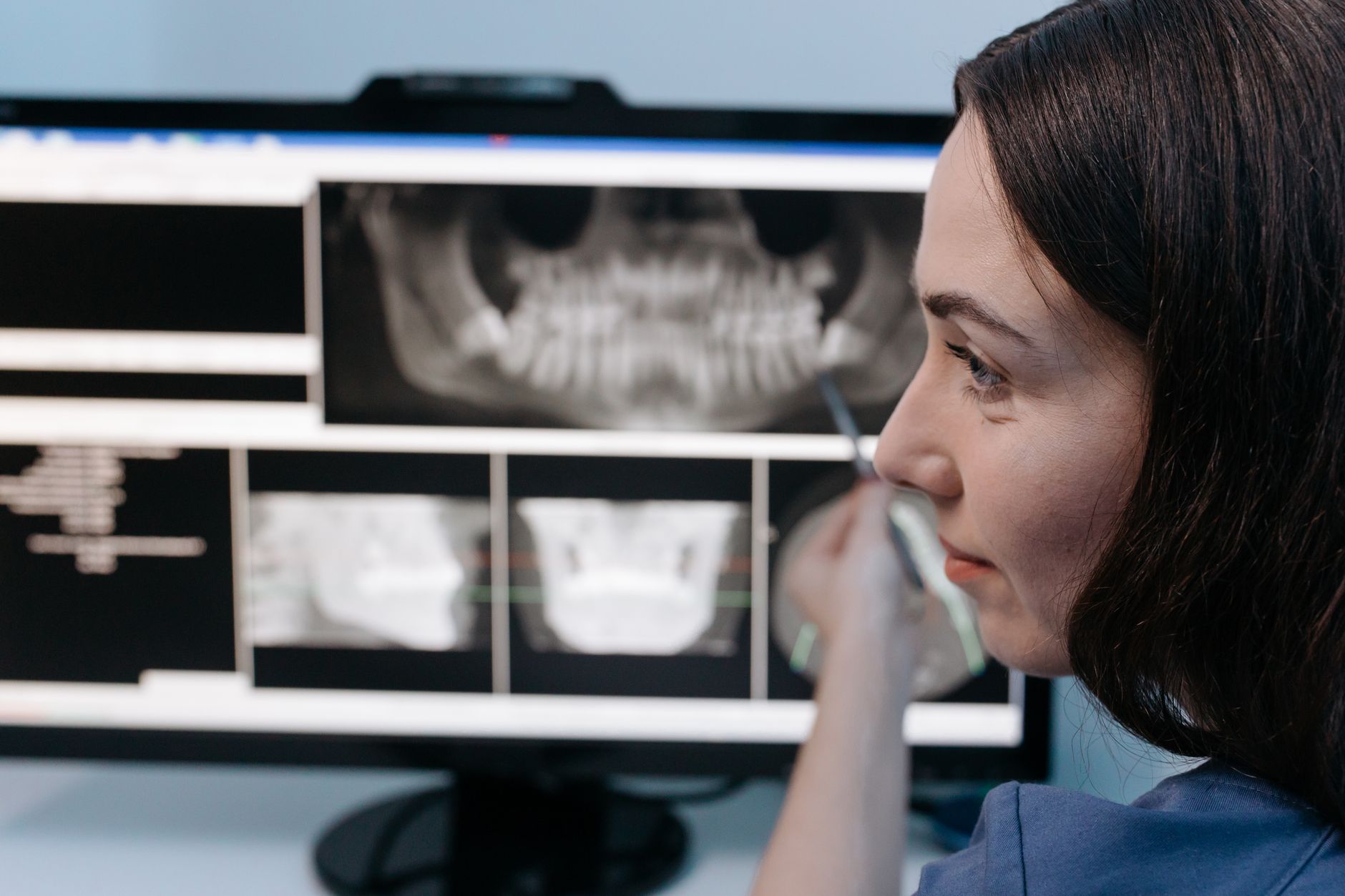
Initial treatment map with a digital panoramic image
A digital panoramic X-ray helps assess the teeth, jawbones, impacted teeth, root tips, and some joint areas in a single image. If you live abroad, the clinical team in Turkey can use this image to shape the initial treatment plan remotely and clarify which procedures should be prioritized.
This approach is especially relevant when considering implants, extractions, root canal treatment, surgical evaluation, or comprehensive oral rehabilitation. The goal is to reduce unnecessary waiting before coming to Turkey and make the clinical consultation more efficient.
Safety and clinical standards for digital panoramic X-rays in Turkey
Clinics in Turkey that hold a Health Tourism Authorization Certificate approved by the Ministry of Health carry out imaging and planning within a defined quality and record-keeping framework. Since digital panoramic X-ray is an imaging method that works with a low-dose principle, it offers a practical tool at the initial evaluation stage when used for the correct indication.
Turkish dentists have extensive case experience, especially in areas such as bone level assessment before implants, impacted wisdom teeth, widespread decay, root tip lesions, and jaw relationships. During remote planning, this experience is important not only for reviewing the image, but also for setting a logical treatment sequence.
Key points reviewed during assessment
- Jawbone structure: If an implant or surgical procedure is being considered, bone height and overall appearance are examined.
- Impacted teeth: The position of wisdom teeth and unerupted teeth is evaluated.
- Roots and surrounding tissues: Changes around the root tips and signs of widespread infection are investigated.
- Overall oral plan: If multiple procedures are needed, the order of priority is determined.
Remote free treatment planning and the digital X-ray process
In this service, your existing panoramic image is usually sent digitally to the clinical team for an initial review. A first treatment plan, the estimated order of procedures, and the expected length of stay in Turkey are then outlined, making the travel decision more predictable.
Standard logistical support often includes VIP transfer, hotel arrangements, interpreter support, and guidance for initial care. Specifically for this process, the clarity of the current X-ray, the possible need for an additional periapical film or 3D tomography, and which procedures can be completed in the same session are also assessed before planning.
After planning is completed, short activities focused on light dining and rest can be arranged in Istanbul, Antalya, Bodrum, or thermal regions so that you and your companion can experience the process more comfortably. This turns the treatment journey into a more balanced health trip rather than only a clinical process.
Screening and planning options
| Screening Options for You | When Should You Prefer It? | Early Diagnostic Value for You |
|---|---|---|
| Standard digital panoramic X-ray | When a general oral check, initial assessment, or simple treatment plan is needed | Quickly shows the overall condition of the jaws and teeth |
| Panoramic X-ray + remote specialist planning | When an implant, impacted tooth, multiple procedures, or a clear plan before travel is needed | Shows the treatment sequence and need for additional imaging earlier |
Cost comparison and price range in Turkey
Remote free treatment planning with a digital panoramic X-ray is often an economical first step in clinical evaluation. In Turkey, the average cost of this service may range from approximately €0-€80, depending on the scope; in some clinics, remote preliminary planning is not charged separately, while detailed specialist consultation or additional imaging may be billed separately.
| Country | Average Price | Note |
|---|---|---|
| Turkey | €0-€80 | Varies depending on the scope of remote planning and imaging |
| United Kingdom | £40-£150 | May increase in private clinics and second-opinion services |
| Germany | €50-€180 | Imaging and specialist evaluation may be priced separately |
| USA | $75-$250 | The total may be affected by radiology and consultation fees |
Key criteria affecting price and process
The physician’s specialty and case experience
An evaluation by a doctor working in areas such as implants, surgery, advanced prosthetic planning, or complex oral rehabilitation is more comprehensive than simply reading an image. As experience increases, the treatment sequence, need for additional tests, and travel plan can be defined more clearly.
The imaging approach used
A panoramic X-ray may be sufficient on its own; however, in some cases CBCT (cone beam 3D tomography), periapical films, or additional digital records may be required. This technical difference directly affects the accuracy of the plan and the total cost.
The clinic’s location
Consultation and operational costs may differ between centers in major cities such as Istanbul, Ankara, and Izmir and clinics in smaller cities. Location may also affect international patient coordination and access to second opinions.
- Level of expertise: Determines planning quality, especially in multi-stage cases.
- Type of imaging: The need for panoramic X-ray, CBCT, or additional films changes the total cost.
- Center location: City-center access and international patient infrastructure may influence pricing.
Next steps and the most practical questions
After reviewing this page, three questions usually stand out. The headings below are the best starting points for clarifying the next decision stage.
Is my current panoramic X-ray sufficient for remote planning?
The date the image was taken, its clarity, and the treatment it will be used for determine the answer. In some cases, a new image or additional 3D imaging may be needed.
Which procedures can be clarified before coming to Turkey?
At the first consultation, the treatment sequence, approximate number of sessions, need for additional tests, and length of stay can be outlined. This helps you plan your travel schedule more realistically.
What is the difference between remote planning and an in-person examination?
Remote planning provides initial guidance; an in-person examination finalizes the plan with clinical tests and physical assessment. Especially for surgical or implant plans, both stages should be considered together.