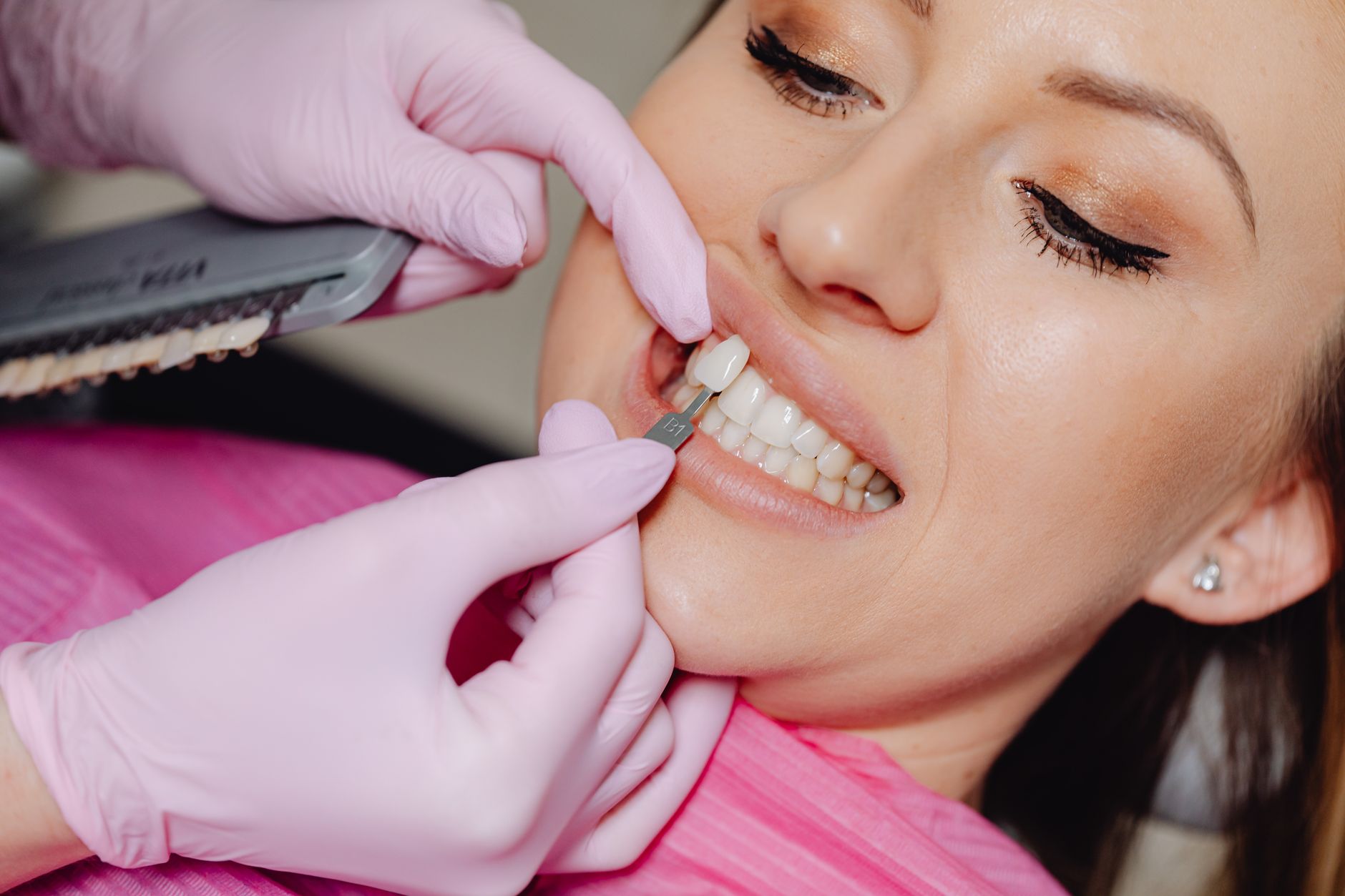
Zirconia Color Stability: What to Expect in Daily Life
Zirconia veneers are ceramic-based solutions that offer a more natural appearance than metal-supported restorations. With proper fabrication and proper oral care, noticeable yellowing or darkening on the surface is not expected; however, as much as the veneer itself, margin fit, bonding material, and the condition of the surrounding tissues also affect the appearance.
The key point here is this: the main material of zirconia is resistant to color change, but problems that develop around the veneer can disrupt the aesthetic perception. In particular, gum recession, dark-colored underlying tooth structure, or buildup along the margin can make the veneer appear yellowed or darkened.
The difference between true color change and perceived darkening
- True material change: Rare in zirconia itself.
- Margin darkening: May be seen due to gum recession or an ill-fitting margin.
- Surface staining: Can increase with loss of polish and plaque accumulation.
- Effect of the underlying structure: Dark tooth tissue may show through in thin restorations.
Safety and Clinical Standards in Zirconia Planning in Turkey
When planning zirconia veneers in Turkey, proceeding in clinics with a Ministry of Health-approved health tourism authorization certificate provides an important layer of safety. In these centers, treatment is planned not only according to aesthetic expectations, but by evaluating gum health, bite relationship, jaw structure, and long-term durability together.
Turkish dentists work with a wide variety of cases in areas such as all-ceramic restorations, anterior aesthetics, rehabilitation of worn teeth, and replacement of old metal-supported crowns. Especially in zirconia, technical details such as margin fit, shade selection, and occlusal adjustment are decisive for long-term aesthetic results.
Key points assessed during evaluation
- Gum level and risk of recession
- Color of the existing tooth structure
- Bite forces and nighttime clenching habits
- Veneer thickness and design plan
- Laboratory fabrication quality and try-in stages
What Is Included in a Zirconia Veneer Package?
Within health tourism, most treatment plans organize VIP transfer, hotel accommodation, interpreter support, and initial aftercare guidance in a single package. For zirconia, the timing of impressions, try-ins, and shade matching stages is also clarified; this process is usually planned over a few days to one week.
Before the procedure, a panoramic X-ray, and if necessary digital impressions and gum evaluation are performed. If the goal is anterior aesthetics, the shade is selected not only according to tooth color, but also based on harmony with the facial line and neighboring teeth.
Why are so many details reviewed during preparation?
In zirconia veneers, complaints of early yellowing are often related not to the material, but to the initial planning. For this reason, impression accuracy, the amount of tooth reduction, and margin fit must be established correctly from the start.
- First, the gum and jaw relationship is evaluated.
- Then the shade selection and veneer thickness are determined.
- If needed, a try-in process with temporary restorations is carried out.
Zirconia Costs in Turkey, the UK, Germany, and the USA
The average cost of zirconia veneers in Turkey in most treatment plans ranges from approximately €180–€350 per tooth. The final price varies depending on the number of teeth, anterior aesthetics, laboratory quality, and any additional treatment needs.
| Country | Average Price | Currency |
|---|---|---|
| Turkey | €180–€350 | EUR |
| United Kingdom | £350–£700 | GBP |
| Germany | €300–€650 | EUR |
| USA | $800–$1,500 | USD |
The price difference is not based only on the country; the system used, laboratory standards, and aesthetic expectations also determine the total cost. Especially when natural translucency is desired in the front teeth area, the cost may be somewhat higher.
Factors Affecting Zirconia Price and Treatment Process
The dentist’s expertise and case experience
Experience in zirconia is not limited to placing the veneer. The dentist’s experience in anterior aesthetics, gum line management, and bite adjustment is one of the most important factors in reducing the perception of yellowing or darkening.
The type of zirconia used and the production method
There are aesthetic differences between monolithic zirconia, layered zirconia, and high-translucency blocks. If more natural light transmission is desired for front teeth, the selected block type and milling quality directly affect the result; this also changes the price.
- Monolithic zirconia: Focused on durability, often preferred in the back teeth area.
- Layered zirconia: May provide a more natural appearance in the front teeth area.
- High-translucency blocks: Offer greater light transmission, increasing aesthetic expectations.
Clinic location
The city and district where the center is located can affect both operational costs and the laboratory infrastructure used. In larger cities, there are centers offering more advanced digital impressions and CAD/CAM workflows; this can raise the price range.
Next Steps If Zirconia Darkening Is Suspected
If you notice a color change in the veneer, the first step is to determine whether it is material-related or due to an environmental issue. Making a decision to replace the veneer before this distinction is made would not be appropriate.
3 most frequently asked questions
- Do zirconia veneers really turn yellow? The material itself generally maintains color stability; the problem usually comes from the surface, margins, or surrounding tissues.
- If there is darkening, should the veneer be replaced? First, the gums, margin fit, and underlying tooth structure are evaluated; replacement is not necessary in every case.
- Which zirconia type is more suitable for front teeth? Depending on aesthetic expectations, tooth color, and bite forces, a decision is made between monolithic, layered, or translucent options.
When evaluating this page, the best approach is to consider not only the price, but also color stability, gum compatibility, and laboratory quality together. Long-term satisfaction with zirconia veneers is achieved not by choosing a single material alone, but by establishing the entire treatment plan correctly.