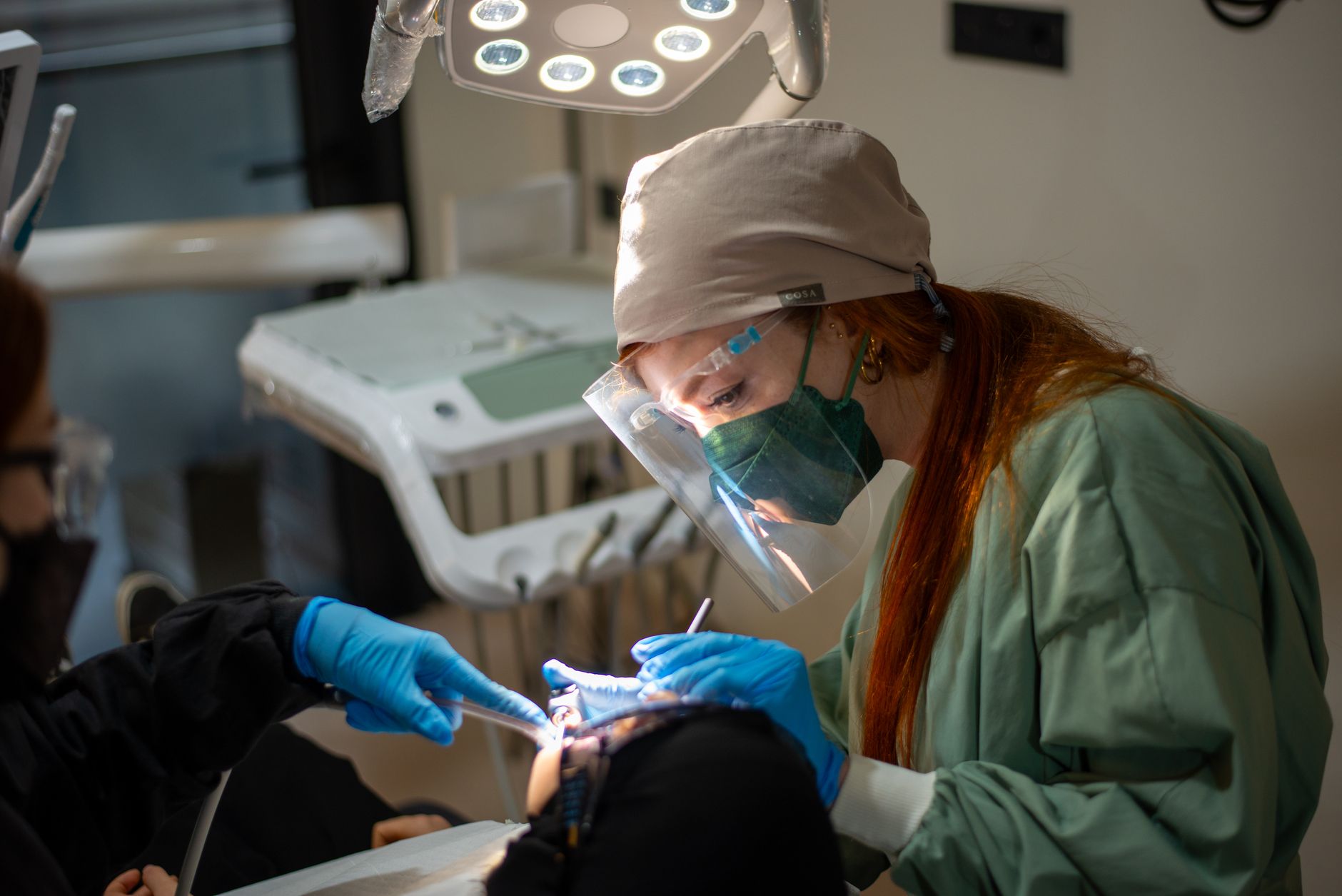
An approach that restores daily comfort in chronic tooth sensitivity
Chronic tooth sensitivity is often a condition that causes a short, sharp pain even when drinking cold water, eating hot foods, or sometimes even while breathing. This does not only create discomfort; it can also affect food choices, social plans, and oral care habits.
Dental protection packages planned for this issue in Turkey aim for more than a single procedure. The goal is to identify the source of the sensitivity, protect the tooth surface, and provide more predictable comfort in daily life.
Safety and clinical standards in managing tooth sensitivity in Turkey
In clinics with a Health Tourism Authorization Certificate approved by the Ministry of Health, the process is carried out with registered protocols and a traceable treatment plan. This structure helps evaluation, treatment, and follow-up progress more systematically, especially for patients coming from abroad.
Turkish dentists have extensive case experience in chronic sensitivity, including distinguishing causes such as enamel wear, gum recession, exposed surfaces in the cervical area, edges of old restorations, and wear related to bruxism. This distinction is important because the same symptom may require a different protection plan.
Key points assessed during evaluation
- Enamel thickness and surface loss: The degree of wear determines the scope of the protective approach.
- Gum level: If recession is present, the exposed root surface may increase sensitivity.
- Edges of old fillings or crowns: Microleakage or marginal mismatch is checked.
- Chewing habits and clenching behavior: Nighttime clenching can be an important factor that sustains sensitivity.
What is included in a chronic tooth sensitivity protection package?
These packages often include VIP transfer, hotel accommodation, interpreter support, and initial care guidance under one organization. This helps align the clinical plan with the travel plan and makes the process less tiring.
For this condition, the first appointment usually includes an examination to identify the source of the sensitivity, digital imaging if needed, and evaluation of the tooth surface. In some cases, short-term protective applications, home care recommendations, and a follow-up appointment are organized within the same plan.
A city plan that is not tiring for the companion
On the treatment day and during the mild recovery period afterward, indoor museum visits in Istanbul, short and calm walks along the coastline in Antalya, and relaxed café and bazaar visits in Izmir may be more suitable for the companion. Excessive heat, very cold drinks, and intense physical activity should be planned more carefully during the first days, when sensitivity may be triggered.
Cost differences between Turkey, the UK, Germany, and the USA
The average cost in Turkey for chronic tooth sensitivity varies depending on the chosen protection approach, but for most plans it is assessed at approximately €250–€900. This range may change depending on the scope of the examination, the number of protective applications, and any additional restorative needs.
| Country | Average Price |
|---|---|
| Turkey | €250–€900 |
| United Kingdom | £400–£1,200 |
| Germany | €450–€1,300 |
| USA | $600–$2,000 |
This comparison reflects the general market view of sensitivity-focused protection plans rather than a single procedure. The final fee is determined by the examination findings and the protection steps to be applied.
Main factors affecting price and process
The dentist’s expertise and case experience
The source of sensitivity may not be only a superficial issue; gum recession, enamel loss, or occlusal loading may occur together. For this reason, when sensitivity is evaluated by a dentist experienced in restorative dentistry and periodontology, the plan can be established more accurately.
The method used and the type of protective material
One of the main factors affecting the price is the chosen protection approach. Options such as fluoride varnish application, desensitizing agents, composite cervical restoration, enamel surface protective coatings, and, when needed, a night guard require different time and effort, which changes the total cost.
- Fluoride varnish: A short application aimed at reducing surface sensitivity.
- Composite restoration: May provide more structural protection in exposed cervical areas.
- Night guard: Can offer additional protection if clenching and grinding are present.
Clinic location
Istanbul may offer different price tiers due to central transportation and high patient volume. In Antalya and Izmir, the clinic location, proximity to tourism areas, and package organization may affect the total cost.
Which questions should be clarified next?
- Is the source of the sensitivity enamel wear, gum recession, or the edge of an old filling? This distinction determines the correct protection plan.
- Which is more suitable: fluoride varnish, composite protection, or a night guard? The choice depends on the examination findings.
- How many days are needed in Turkey, and how should the follow-up appointment be planned? This is important for arranging the travel schedule correctly.
This page has been prepared to clarify the protection approach that can be planned in Turkey for chronic tooth sensitivity. The most appropriate path is to first identify the cause and then follow the protection steps suited to the individual.