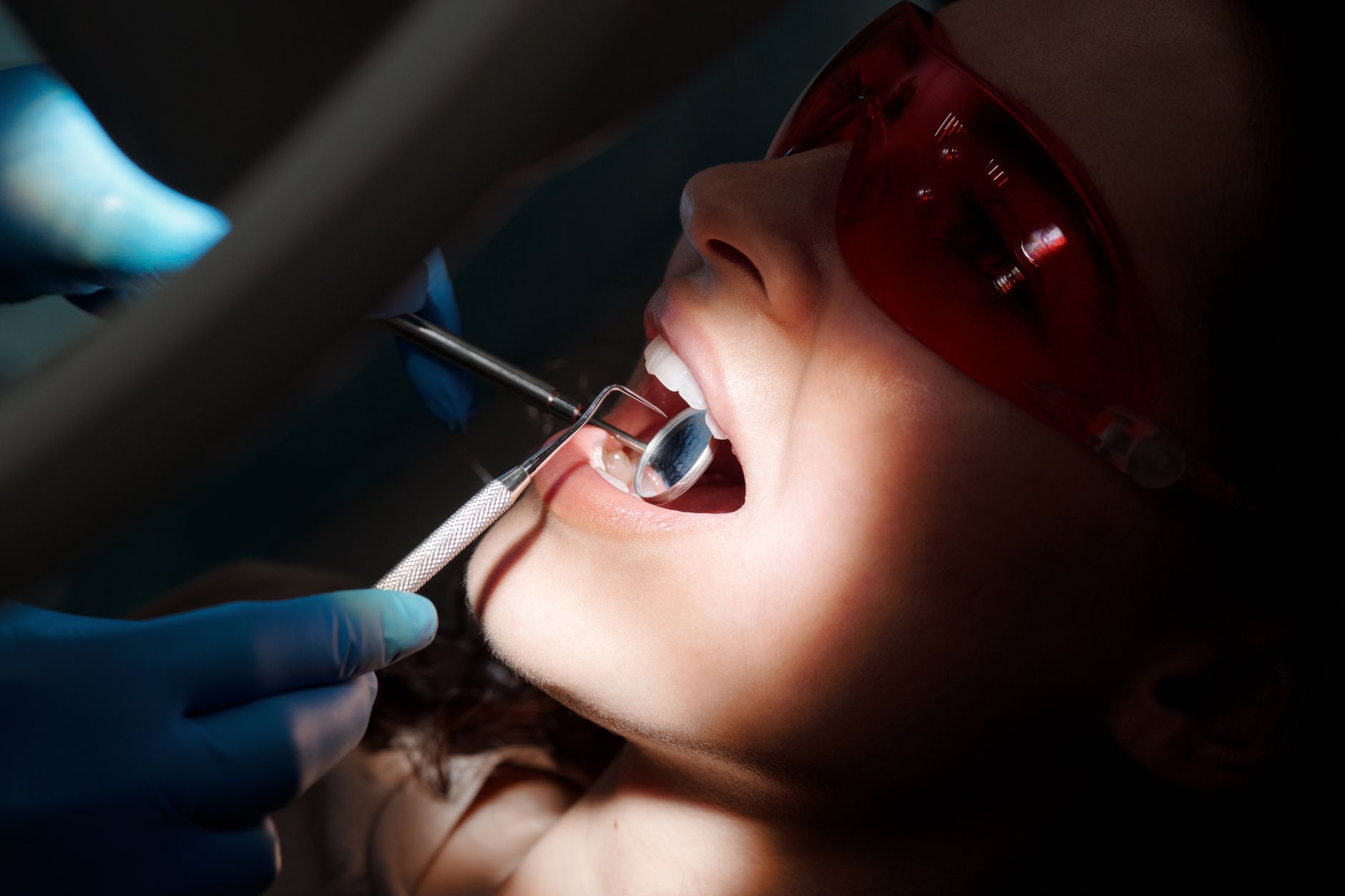
The everyday impact of gum recession and periodontitis
Chronic gum recession can expose tooth roots, cause sensitivity to hot and cold, and change the appearance of the smile line. Periodontitis is a condition that can progress with inflammation and bone loss in the tissues supporting the teeth, and it requires regular monitoring.
When these two conditions occur together, the goal is not only to reduce current symptoms; it is also to make the tissues around the teeth more stable, maintain oral hygiene in a sustainable way, and create a long-term control plan. In suitable cases, a laser-assisted approach is considered to manage this process more precisely.
Safety and clinical follow-up standards in periodontology in Turkey
In clinics evaluated within health tourism in Turkey, having a Health Tourism Authorization Certificate approved by the Ministry of Health is an important first filter. This certificate provides a more transparent framework in terms of process management, patient communication, record keeping, and follow-up organization.
Periodontists make case-based decisions in areas such as chronic gum recession, deep periodontal pockets, bleeding control, root surface cleaning, and laser-assisted soft tissue procedures. In particular, pocket depth measurement, radiographic evaluation, and analysis of oral hygiene habits form the basis of the treatment plan.
Key points assessed during evaluation
- The extent of gum recession and how much of the root surface is exposed
- Periodontal pocket depth and tendency to bleed
- The degree of bone support loss seen on X-rays
- Smoking, diabetes control, and oral hygiene habits
- Whether the laser will be planned alone or together with conventional periodontal care
At this stage, the aim is not to apply the same protocol to everyone; it is to create a personalized roadmap based on the type of tissue loss, the spread of inflammation, and the ability to maintain daily care.
What is included in a chronic gum recession and laser periodontitis treatment package?
Usually, VIP transfer, hotel accommodation, interpreter support, and an initial care/medication plan are organized within a short arrangement. In addition, during the first visit for this treatment, periodontal probing, intraoral photography, and, if needed, panoramic X-rays or periapical imaging are performed; in some cases, a follow-up plan involving several sessions is created.
With your companion, light city walks that do not strain the treatment pace, hotel relaxation areas, and diet-focused accommodation options can be planned. A soft diet that does not irritate the oral tissues is especially important to improve comfort in the first days.
What can you expect during follow-up?
- At the first check-up, bleeding, sensitivity, and tissue response are assessed
- If needed, short-interval re-cleaning or laser review sessions are planned
- Brushing technique and interdental cleaning are adjusted for home care
- After returning to your country, the process can be monitored through online visits or video consultations
Cost comparison in Turkey, the UK, Germany, and the USA
In Turkey, the average cost of chronic gum recession and laser periodontitis treatment is usually assessed in the €700–€1,800 range, although it varies depending on the case and the number of sessions. The extent of the laser treatment, the depth of periodontal cleaning, and any additional surgical needs affect the total cost.
| Country | Average Price | Note |
|---|---|---|
| Turkey | €700–€1,800 | Laser-assisted periodontal care and follow-up plan |
| United Kingdom | £1,200–£3,000 | Advanced periodontal sessions in private clinics |
| Germany | €1,000–€2,800 | Surgical support may be added depending on case severity |
| USA | $1,500–$4,500 | Wide range for combined laser and periodontal care |
When comparing prices, not only the procedure fee but also the number of check-ups, imaging, hygiene education, and follow-up appointments should be taken into account. Since this is a chronic condition, the total management cost is more meaningful than a one-time price.
Main factors affecting the price and process
The specialist’s expertise and case experience
The periodontist’s experience with chronic gum recession, pocket management, and laser procedures directly affects the scope of the plan. In cases with deep bone loss, more detailed follow-up and additional sessions may be needed.
The laser protocol and method used
One of the most concrete factors determining the price is the type of laser used; for example, a soft-tissue-focused diode laser is not the same as a more comprehensive periodontal debridement approach. Whether the laser is used alone or together with root planing and mechanical cleaning also changes the total cost.
The clinic location and follow-up infrastructure
Operational costs may be higher in clinics located in central areas. On the other hand, centers with digital follow-up systems, remote monitoring, and multilingual patient coordination help track the process more regularly after you return home.
From the perspective of your chronic management options, ongoing preventive care and interventional support can be evaluated together.
| Your Chronic Management Options | Effect on Daily Quality of Life | Long-Term Benefits |
|---|---|---|
| Regular periodontal care and hygiene monitoring | May help reduce bleeding, sensitivity, and bad breath | Helps maintain tissue stability and slow progression |
| Laser-assisted periodontal intervention | May provide comfort after sessions and targeted tissue management | May support pocket control and reduction of inflammation |
Next steps and the most practical questions
After reading this page, three questions usually come to the forefront. The right plan clarifies not only the procedure but also the follow-up schedule.
What measurements are taken during the first evaluation?
How are pocket depth, bleeding points, bone support, and the degree of root exposure recorded? These data determine the intensity of treatment.
Is laser treatment sufficient in every chronic case?
In which situations does the laser remain supportive, and in which situations are conventional periodontal cleaning or a surgical approach added? This distinction is critical for choosing the right clinic.
How does follow-up continue after returning from Turkey?
How are healing and care routines monitored through online check-ups, photo sharing, and remote evaluation? This question is especially important for long-term management.
When researching this topic, it is important to remember that treatment is not a single procedure; it is a process made up of measurements, cleaning, laser support, home care, and digital follow-up. Choosing the right center is the most decisive part of this process.