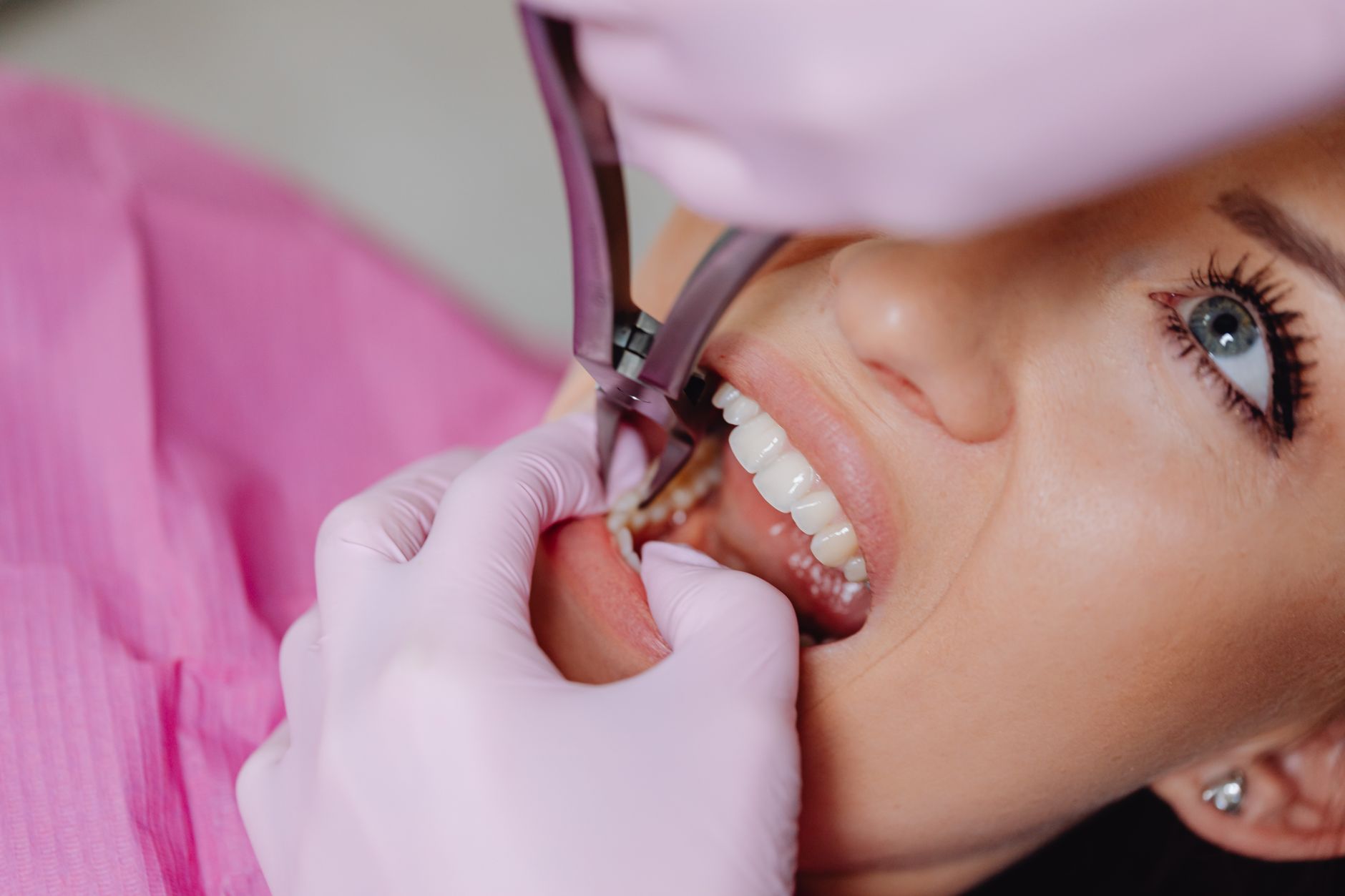
Why is tooth filing done and what does it change?
Tooth cutting or filing is a procedure planned to refine the shape of a tooth by removing a very limited amount of enamel from its outer surface. The goal is often to soften sharp edges, balance mild crowding, or improve aesthetic harmony.
The critical point here is how much tissue is removed. Enamel does not regenerate; therefore, if the procedure is performed too aggressively, permanent tissue loss, hot-and-cold sensitivity, and in some cases the need for fillings or veneers may arise.
When does permanent damage become a concern?
- Over-thinning of the enamel layer
- A tooth surface that is already weak or cracked
- The procedure being done without proper planning or control
- Not taking the bite relationship into account
Limited filing performed for the right indication does not always mean permanent damage. However, because the procedure is irreversible, the decision should be made by evaluating the tooth structure and bite together.
How safely is tooth filing planned in Turkey?
When looking for treatment in Turkey as part of health tourism, it is important to choose clinics with a Health Tourism Authorization Certificate approved by the Ministry of Health. In these centers, pre-treatment examination, photo analysis, and if needed X-ray evaluation and planning based on enamel thickness are carried out.
Turkish dentists work with a wide variety of cases, especially in aesthetic dentistry, minimally invasive reshaping, and restorative planning. This experience helps ensure that the decision to file a tooth is based not only on aesthetic preference, but also on enamel thickness, tooth length, bite relationship, and harmony with neighboring teeth.
Key points considered in safe planning
- Enamel thickness and surface structure
- History of cracks, wear, or sensitivity
- Bite closure and tooth contacts
- Possible need for protective restoration after the procedure
This evaluation also clarifies whether the procedure is truly necessary. In some cases, polishing, composite reshaping, or a different aesthetic approach may be more appropriate than filing.
What does a tooth filing package include?
Health tourism packages usually include VIP transfer, hotel accommodation, interpreter support, and guidance for initial aftercare. For tooth filing, short clinical planning, intraoral measurement, and if needed digital photo analysis are also performed; in most cases, the stay in Turkey is short.
Before the procedure, the tooth surface is evaluated, the risk of sensitivity is assessed, and the amount of enamel to be removed is determined. If there is a bite contact issue, filing is considered not as a standalone procedure but as part of a comprehensive aesthetic plan.
What should you expect before the procedure?
- Clinical examination and aesthetic analysis
- If needed, panoramic X-ray or close-up imaging
- Limited planning to minimize enamel loss
- Information about possible post-procedure sensitivity
How does the cost of tooth filing vary between countries?
The average cost of tooth filing in Turkey is assessed in most cases between €120–€350. The scope of treatment, number of teeth, and any additional aesthetic procedures may affect this range.
| Country | Average Price | Currency |
|---|---|---|
| Turkey | €120–€350 | EUR |
| United Kingdom | £250–£700 | GBP |
| Germany | €180–€500 | EUR |
| United States | $300–$900 | USD |
This table may vary depending on the services offered by the clinic. The difference between simple filing and a comprehensive aesthetic plan can significantly affect the total cost.
Which factors determine the price and process?
The dentist’s expertise and aesthetic planning experience
A tooth-preserving approach requires experience, especially in aesthetic dentistry and minimal abrasion. The dentist’s ability to correctly assess the bite relationship is key to preventing unnecessary tissue loss.
Technical approach and method used
In tooth filing, manual finishing burs, fine polishing discs, and controlled enamel refinement protocols can affect the price. Whether the procedure involves a small contour adjustment on one tooth or symmetry correction on multiple teeth changes the overall plan.
The clinic’s location
Clinics in major city centers may have higher rent, equipment, and operating costs. This can lead to different pricing for the same procedure in different cities.
What are the most important questions after the procedure?
Does enamel loss come back?
No. Enamel loss does not return, which is why the decision to file should be made carefully. If needed, protective restorative options are also considered.
How long does sensitivity last?
Mild sensitivity may be short-lived, but if it persists, reassessment is needed. Follow-up is especially important if there is a reaction to cold stimuli.
What alternatives can be considered instead of filing?
Depending on the situation, composite reshaping, polishing, veneer planning, or an orthodontic approach may be considered. The most suitable option is determined by the tooth structure and bite relationship.