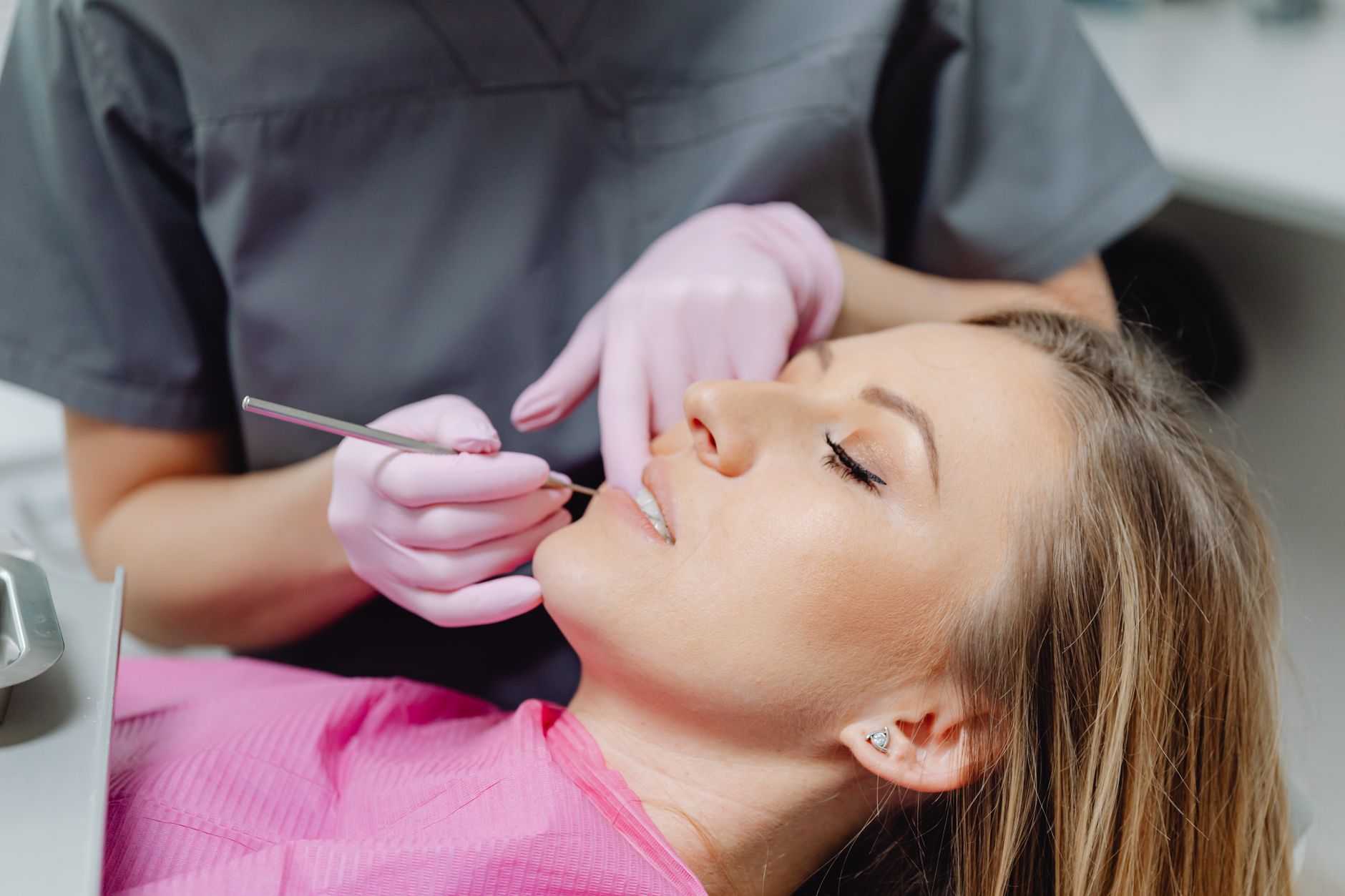
Why Does Halitosis Become Persistent?
If bad breath continues despite daily oral care, it usually suggests more than a simple surface-cleaning issue. Gum pockets, bacterial buildup on the tongue, cavities, poorly fitting edges of old restorations, dry mouth, and certain systemic conditions may all play a role.
For persistent halitosis, the first step is not to mask the odor but to find its source. Once the right evaluation is done, the treatment plan becomes clearer and the results more predictable.
Most common sources
- Gum disease: Periodontal pockets and inflamed tissues can increase odor production.
- Tongue dorsum: Biofilm accumulating on the tongue surface is a frequent contributor to persistent odor.
- Cavities and leaking restorations: Food buildup and bacterial colonization may occur.
- Dry mouth: When saliva decreases, natural cleansing becomes less effective.
- General health conditions: Reflux, sinus problems, or certain metabolic conditions can affect bad breath.
Safety and Clinical Standards in Halitosis Evaluation in Turkey
When an evaluation is planned within health tourism in Turkey, clinics with a Ministry of Health-approved Health Tourism Authorization Certificate are preferred. This structure supports more systematic record keeping, communication, sterilization protocols, and pre- and post-treatment follow-up.
Dentists working in halitosis often perform a comprehensive screening rather than a single procedure; periodontal measurements, cavity examination, tongue surface assessment, and, if needed, radiographic imaging are considered together. Teams that work with many international cases in particular offer a more structured approach to distinguishing gum, restorative, and hygiene-related causes of bad breath.
Main points assessed during evaluation
- Periodontal status: Gum bleeding, pocket depth, and bone support are examined.
- Tongue biofilm: The need for tongue cleaning and the surface load are assessed.
- Restoration fit: Broken edges, overhanging fillings, and old crowns are checked.
- Radiological examination: Impacted teeth, infection foci, or hidden cavities are investigated.
What Is Included in a Halitosis Treatment Package?
In a typical health tourism arrangement, VIP transfer, hotel accommodation, interpreter support, and initial care instructions are organized within a single plan. For halitosis, this is supplemented by a comprehensive oral screening, periodontal measurements, and, if necessary, X-ray planning at the first appointment; this helps clarify which areas need to be addressed before treatment.
On the day of the procedure and during the mild recovery period afterward, it is more suitable for companions to choose indoor museum visits in Istanbul, quiet cafés and shopping areas in Antalya instead of short seaside walks, and relaxed historical bazaar visits in Izmir that are not physically demanding. Heavy physical activity, prolonged sun exposure, and trying very hot or very cold foods are postponed after oral sensitivity or gum treatment.
Key preparation steps
- Initial examination: A detailed oral evaluation is performed to identify the source of the odor.
- Required imaging: Radiography may be requested for suspected cavities, bone loss, or hidden infection.
- Planning: Cleaning, periodontal treatment, restorative correction, or additional referral is arranged in sequence.
Halitosis Evaluation Costs in Turkey, the UK, Germany, and the USA
The average cost of a comprehensive dental screening and initial treatment plan for persistent bad breath in Turkey is generally assessed at around €250 to €700. The exact amount varies depending on the scope of the examination, the need for imaging, and the periodontal or restorative procedures to be performed.
| Country | Average Price | Currency |
|---|---|---|
| Turkey | 250 - 700 | EUR |
| UK | 400 - 1,000 | GBP |
| Germany | 300 - 850 | EUR |
| USA | 500 - 1,500 | USD |
This comparison provides only a general framework for the initial evaluation and the most common first interventions. When advanced periodontal treatment, multiple sessions, or additional restorative procedures are needed, the total cost increases.
Methods compared
| Compared Methods | Main Advantage | Effect on Recovery Time |
|---|---|---|
| Comprehensive dental screening | Helps identify the source in a single session; gum, cavity, and tongue surface issues are assessed within the same plan. | If the correct focus is found early, unnecessary repetition decreases and the process becomes shorter. |
| Symptom-focused care only | The odor may be temporarily suppressed, but the underlying cause may remain. | A lasting solution may be delayed, and the need for repeat evaluation may increase. |
Clinical Factors That Determine Cost and Process
The most important factor in pricing is the dentist’s specialization and experience with halitosis cases. Especially when periodontal disease, restorative problems, and dry mouth occur together, the evaluation is planned in greater detail.
- The dentist’s specialization and experience: As experience in periodontology, restorative dentistry, and bad breath management increases, the plan becomes more detailed.
- Technology and method: Periodontal probing, digital radiography, intraoral cameras, and, when needed, professional tongue-cleaning protocols may affect the price.
- Clinic location: In centers such as Istanbul, Antalya, and Izmir, rent, team organization, and international patient services may be reflected in the cost.
The scope of the procedure also determines the total duration. While examination and cleaning alone may be sufficient, gum treatment, replacement of old fillings, or additional referral may require a multi-step plan.
What Questions Should Be Clarified After Halitosis Treatment?
At the end of the page, the most rational next step is to clarify the source of the odor and the order of treatment. The questions below make it easier to decide before moving on to the next evaluation pages.
Which focus should be investigated first?
- Is gum disease, tongue biofilm, or old restorations the main issue?
Is it possible to resolve it in one session?
- Can examination, imaging, and cleaning be planned on the same day, or is a multi-stage treatment needed?
Is referral to another specialty needed?
- If reflux, sinus problems, or dry mouth is suspected, which specialty should be involved?