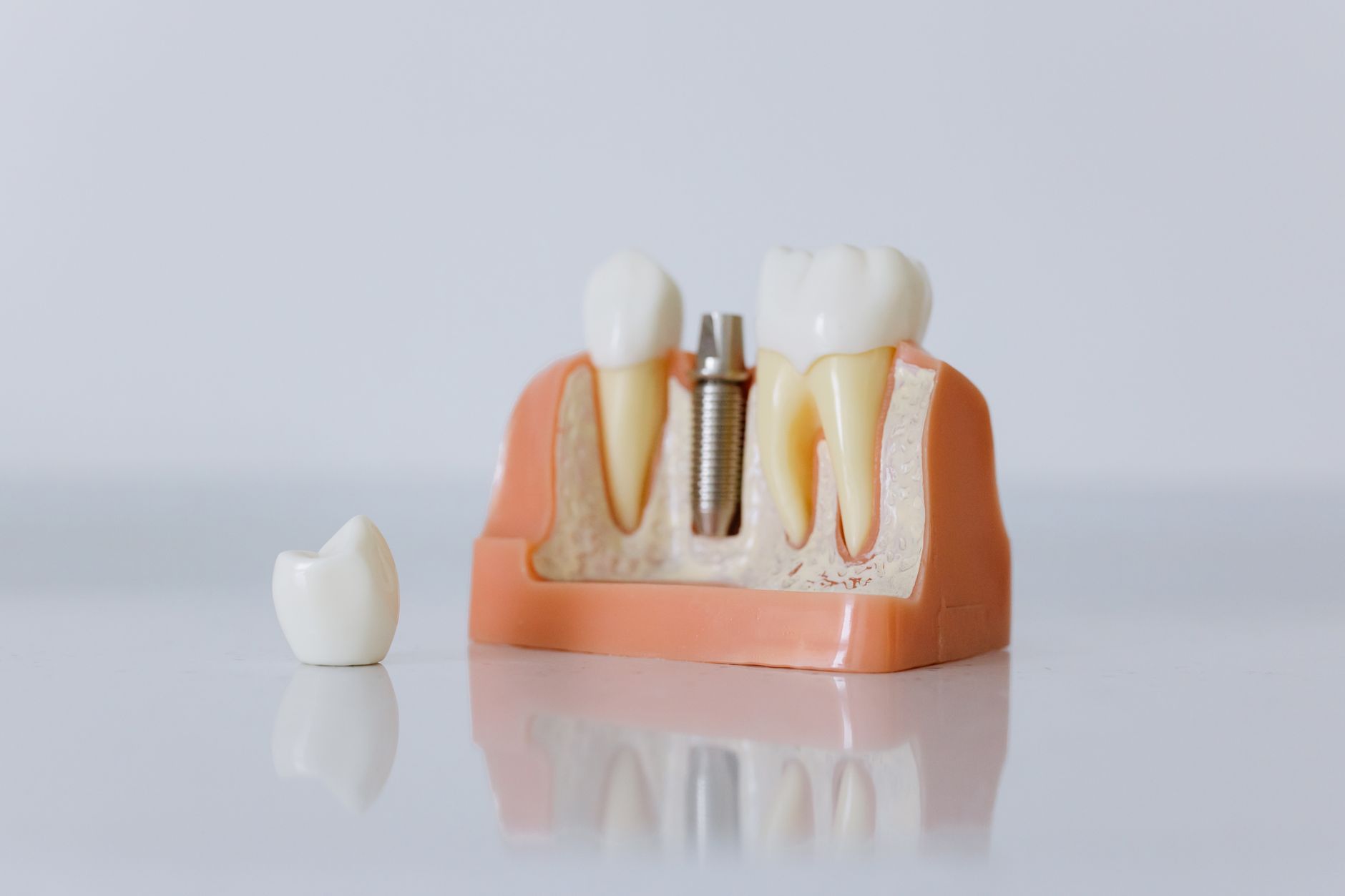
Replanning Chewing and Appearance with Full Mouth Restoration
Full mouth restoration is considered when there are multiple missing teeth in the mouth or when the existing teeth are not sufficient for long-term function. The goal is not only to close gaps; chewing balance, speech clarity, facial support, and smile aesthetics are evaluated together.
Implant and denture combinations make it possible to create a balanced plan between fixed and removable solutions. For this reason, the process should be seen not as a single procedure, but as a treatment flow in which measurements, surgical planning, temporary restoration, and final prosthesis stages are managed together.
Safety and Clinical Standards for Full Mouth Restoration in Turkey
When treatment is planned within health tourism in Turkey, clinics with a Health Tourism Authorization Certificate approved by the Ministry of Health are preferred. This structure offers a more predictable framework in terms of registered patient follow-up, sterilization protocols, imaging infrastructure, and post-treatment communication.
Doctors working in full mouth restoration handle a wide range of cases in implant placement, bone volume assessment, occlusion analysis, and prosthetic design. In particular, experience in full mouth rehabilitation, All-on-4 / All-on-6 planning, bone graft requirements, and temporary denture management directly affects the treatment process.
Key Points Assessed During Evaluation
- Bone quantity with panoramic X-ray and, when needed, 3D dental tomography
- Whether existing teeth need extraction and the presence of infection
- Bite relationship, jaw closure, and prosthesis height
- Number of implants, diameter, and placement angle
- Compatibility between the temporary prosthesis and the final prosthesis
What Is Included in a Full Mouth Restoration Package?
Health tourism packages usually include VIP transfer, hotel accommodation, interpreter support, and initial care arrangements. In full mouth restoration, the order of the first examination, imaging, impression taking, implant planning, and temporary restoration stages is also clarified in advance.
In centers such as Istanbul, Antalya, and Izmir, light activities suitable for the procedure day and the early recovery period can be planned for the accompanying person; for example, indoor visits, calm seaside walks, or short food stops may be preferred. In the first days after surgery, options that allow rest are more suitable than long walks, intense sun exposure, and physically demanding programs.
How Is the Stay in Turkey Planned?
The length of stay in Turkey for full mouth restoration varies depending on the number of implants and whether bone support is needed. In some cases, the first stage is completed within a few days, while more advanced plans may require longer follow-up because of temporary prostheses and control appointments.
- Initial evaluation and imaging
- Extraction and implant placement if needed
- Temporary prosthesis application
- Check-up and bite adjustment
Cost Comparison in Turkey, the UK, Germany, and the USA
The average cost of full mouth restoration in Turkey is generally assessed in the range of €3,500–€8,500, depending on the scope of the case. The number of implants, type of prosthesis, and additional surgical needs can raise or lower this range.
| Country | Average Price | Currency |
|---|---|---|
| Turkey | €3,500–€8,500 | EUR |
| United Kingdom | £6,000–£14,000 | GBP |
| Germany | €7,000–€16,000 | EUR |
| USA | $12,000–$30,000 | USD |
The Two Most Commonly Compared Approaches
| Compared Methods | Key Advantage | Effect on Recovery Time |
|---|---|---|
| All-on-4 | May provide full-arch support with fewer implants | In suitable cases, a shorter surgical and temporary prosthesis process |
| All-on-6 | May offer broader support by increasing load distribution | Planning may be more detailed, but long-term stability is targeted |
Factors That Determine the Price and Process
The dentist’s expertise and case experience
In full mouth rehabilitation, the dentist’s experience affects implant placement angle, jaw relationship, and the accuracy of prosthetic bite. Especially in cases with advanced bone loss, it becomes important for the surgical and prosthetic plan to be coordinated by the same team.
The implant system, prosthesis type, and method used
One of the most concrete factors determining the price is the implant system and prosthetic design. Options such as titanium implants, zirconia superstructures, fixed hybrid prostheses, bar-retained prostheses, or full ceramic restorations change laboratory time, material cost, and the number of try-ins.
When choosing between All-on-4, All-on-6, individually implant-supported crowns, or removable overdenture solutions, bone volume, aesthetic expectations, and ease of maintenance are evaluated together. At the same time, the need for temporary prostheses, additional grafting, and procedures such as sinus lifting also affect the overall plan.
The clinic’s location
In large cities such as Istanbul, advanced imaging infrastructure and multidisciplinary teams may be more common. In Antalya and Izmir, accommodation and transportation planning can be organized more compactly in centers focused on health tourism.
- Need for advanced surgery
- Need for additional bone grafting or sinus lifting
- Laboratory time between the temporary and final prosthesis
- Number of check-ups and follow-up intervals
The Most Reasonable Questions After Treatment
Which is more suitable: implants or removable dentures?
This question is answered according to bone volume, oral hygiene habits, and expectations for daily use. A plan that seeks a fixed solution may not be the same as a plan that prioritizes ease of maintenance.
How long is a temporary prosthesis used?
The duration of the temporary restoration depends on the implant integration period and the results of follow-up visits. The final prosthesis is not placed before this period is complete.
Are additional surgical procedures needed?
Not in every case; however, additional preparation may be planned if there is advanced bone loss, insufficient sinus area, or spaces after extraction. For this reason, the initial evaluation is the most critical step in determining the true scope of treatment.