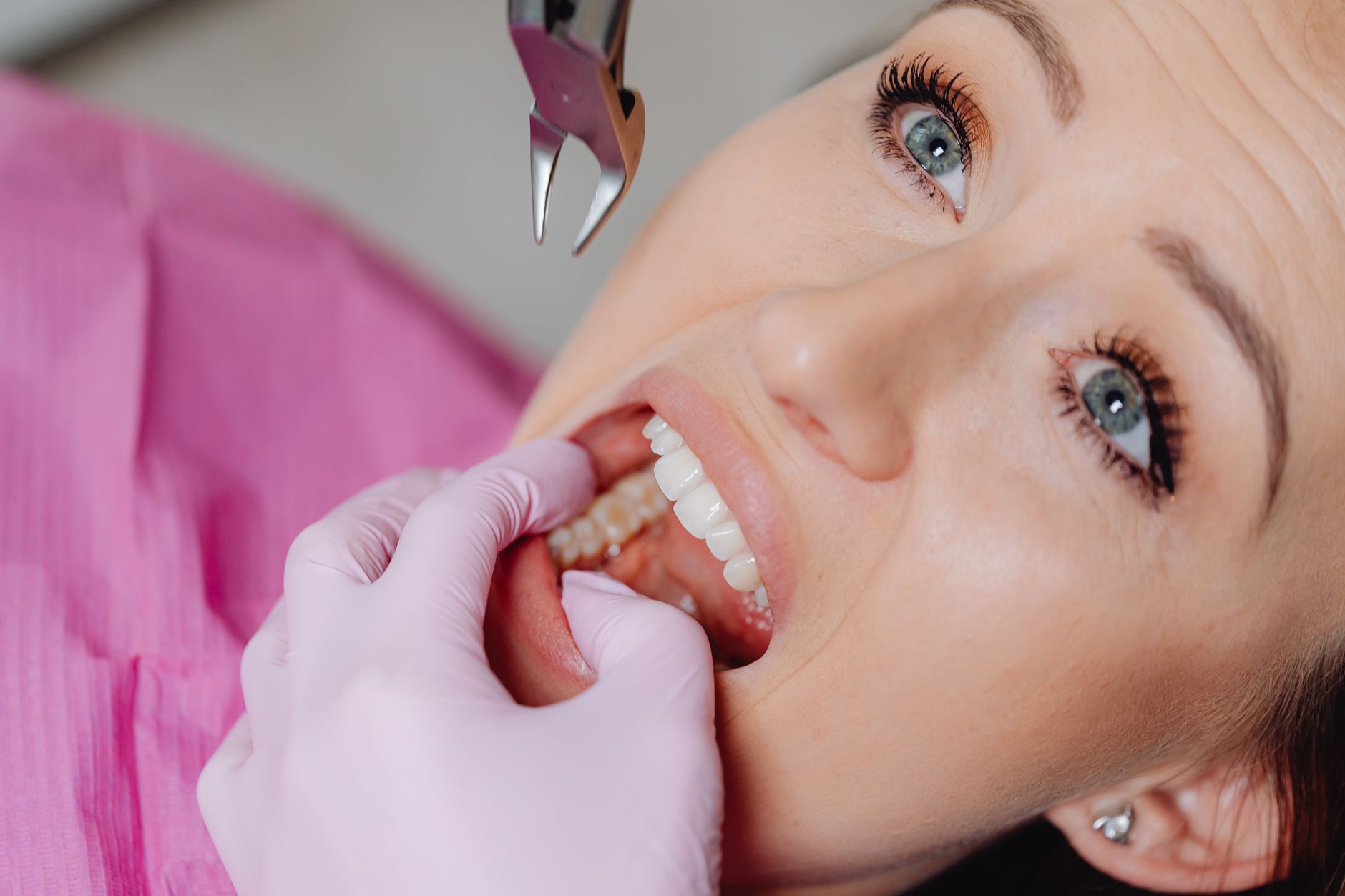
Why Is Graft Repair Planned for Gum Recession?
Gum recession is not only an aesthetic change; once the root surface becomes exposed, sensitivity to hot and cold, discomfort while brushing, and later weakening of the supporting tissue may occur. The graft and repair approach aims to cover the exposed area, increase gum thickness, and create a more balanced oral tissue structure.
This process is not considered a single standard procedure. The degree of recession, gum biotype, bone support, and oral hygiene habits are evaluated together; based on this, a soft tissue graft, connective tissue graft, or a region-specific repair plan is created.
Safety and Clinical Standards for Gum Grafting in Turkey
In Turkey, this treatment planned within health tourism is organized in clinics and hospitals that hold a Health Tourism Authorization Certificate approved by the Ministry of Health. Sterilization protocols, surgical area preparation, and post-procedure follow-up form the most critical safety layers for an international patient.
Physicians working in periodontology and oral and maxillofacial surgery make case-based decisions, especially for procedures such as root coverage, connective tissue grafting, and increasing keratinized tissue. Experience in this field is defined not only by the number of procedures performed, but also by the ability to choose the right technique according to tissue thickness, recession type, and healing follow-up.
Key Points Assessed During Evaluation
- How many millimeters of recession are present and which teeth are affected
- Gum thickness and the amount of keratinized tissue
- Whether there is decay, wear, or sensitivity on the root surface
- Pocket depth and inflammation level in adjacent teeth
- Suitability of the donor area for graft harvesting
What Is Included in a Gum Recession Treatment Package?
Health tourism packages usually include VIP transfer, hotel accommodation, interpreter support, and an initial care plan. For gum grafting, the first examination, periodontal measurements, photo documentation, and, when necessary, panoramic X-ray or CBCT evaluation are also arranged; this preparation helps determine which graft technique is appropriate.
Having your companion stay in a hotel close to the hospital or clinic allows you to manage the process more comfortably. While you rest after the procedure, your companion can access nearby options such as short walks, quiet cafés, or wellness facilities, which can improve comfort during a stay of several days.
Pre-Procedure Preparation Flow
- Periodontal examination and pocket measurements
- Radiographic evaluation
- General health review for factors that may affect bleeding risk
- Planning of the graft site and donor area
- Post-procedure oral hygiene instruction
Cost Comparison in Turkey, the UK, Germany, and the USA
For gum recession treatment, the average cost in Turkey generally ranges between €700-€1.800, depending on the type of graft and the scope of the procedure. Whether the treatment involves a single tooth or multiple areas, and whether additional repair steps are needed, directly affects the price.
| Country | Average Price | Currency |
|---|---|---|
| Turkey | €700 - €1.800 | EUR |
| United Kingdom | £1.200 - £3.000 | GBP |
| Germany | €1.000 - €2.800 | EUR |
| USA | $1.500 - $4.500 | USD |
This table is a starting point for comparing the scope offered by clinics. Even in packages presented under the same name, the graft material, number of surgical areas, and whether follow-up appointments are included can change the total cost.
Factors That Determine the Price and Process
The physician’s specialization and case experience is the first factor affecting price, especially in delicate procedures such as root coverage and connective tissue grafting. If the gum tissue is thin, there are multiple recession areas, or treatment is needed in an aesthetic zone, planning becomes more detailed.
Technique and material selection are also decisive; methods such as connective tissue grafting, free gingival grafting, or coronally advanced flap procedures require different surgical times and tissue needs. The suture material used, surgical microscope support, and tissue stabilization also play a role in the total cost.
The clinic’s location may affect pricing, especially in fully equipped centers in major cities. Central locations may offer advantages such as advanced imaging, multidisciplinary consultation, and quick follow-up appointments.
Methods Compared for You
| Methods Compared for You | Main Benefit for You | Your Recovery and Hospital Stay |
|---|---|---|
| Connective tissue graft | More natural tissue thickness in aesthetic areas and potential for root coverage | Usually outpatient; initial healing in 1-2 weeks |
| Free gingival graft | Increases the amount of keratinized tissue and supports durability | Usually outpatient; sensitivity decreases within a few days |
What to Expect During Follow-Up After Treatment?
In the first days after the procedure, tissue protection, a soft diet, and controlled brushing are emphasized. Many centers in Turkey provide online follow-up after you return to your country, assessing healing through photos and adjusting the timing of check-ups accordingly.
The three most rational questions are usually: Which graft technique is more suitable for my type of recession?, How long does it take for root sensitivity to decrease after the procedure?, Which findings in online follow-up require re-evaluation? These questions form the basis for guiding the next steps in periodontology, oral hygiene, and aesthetic repair planning.
Post-Procedure Follow-Up Plan
- The first follow-up is usually planned within 7-14 days
- If sutures are used, the removal time varies depending on the technique
- Brushing technique is temporarily modified
- Remote photo follow-up is performed when needed
- The hygiene protocol is reviewed to reduce the risk of new recession