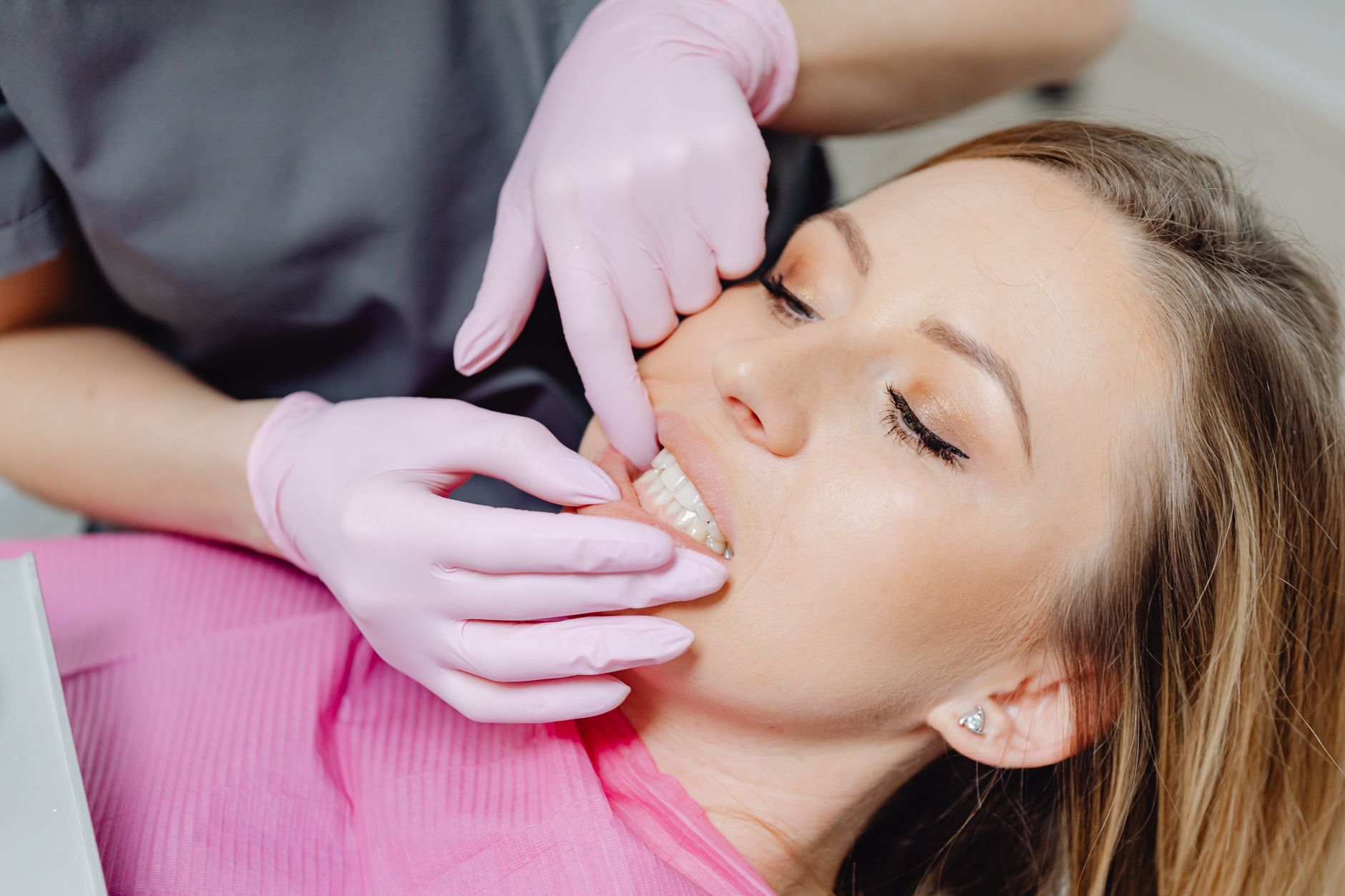
The impact of periodontitis on daily life and the treatment goal
Periodontitis is a chronic gum disease that can cause bleeding, sensitivity, bad breath, and over time, loss of the bone that supports the teeth. If it is not detected early, it directly affects chewing comfort, appearance, and oral health.
The approach planned in Turkey focuses not only on reducing inflammation, but also on controlling periodontal pockets, slowing the progression of bone loss, and making daily oral care sustainable. For this reason, the process is considered a measurement-based management plan rather than a single-session procedure.
Safety and clinical standards in periodontitis treatment in Turkey
In clinics with a Ministry of Health-approved Health Tourism Authorization Certificate, the process is carried out with registered protocols and an organization focused on patient safety. At the first assessment, periodontal pocket measurements, bleeding indices, X-ray examination, and, if needed, advanced imaging are used to analyze bone support in detail.
Turkish periodontology specialists have extensive case experience, especially in cases with advanced gum recession, widespread pocket depth, and localized bone loss, in scaling, root planing, regenerative procedures, and surgery-supported approaches. This variety makes it easier to personalize the treatment plan according to the stage of the disease.
Key points assessed during evaluation
- Periodontal pocket depth and tendency to bleed
- Bone level on radiographs and the extent of bone loss
- Amount of tartar, plaque control, and oral hygiene habits
- Additional conditions that may affect healing, such as smoking and diabetes
What is included in a periodontitis treatment package?
Packages often include VIP transfer, hotel accommodation, interpreter support, and basic guidance needed for initial care. In addition, the length of stay in Turkey for periodontitis is planned according to the extent of the disease, ranging from a few days to multiple follow-up appointments.
In the first stage, detailed periodontal records are taken, tartar cleaning and root planing are performed; in advanced cases, surgical pocket cleaning, bone-supporting procedures, or tissue-modifying treatments may be considered. After treatment, the process can continue after you return to your country through mobile health applications, online follow-up consultations, and photo-based monitoring.
Rest and light activity options suitable for an accompanying person
During your clinical trip in Turkey, you may choose city walks that do not require heavy exertion, calm coastal routes, thermal hotel facilities, and diet-focused accommodation services together with your companion. This approach helps create a comfortable program without putting strain on recovery after treatment.
Cost comparison in Turkey, the UK, Germany, and the USA
The cost of periodontitis treatment varies depending on the stage of the disease, surgical needs, and the number of sessions. The average cost in Turkey is assessed at approximately €900–€2,500 for most treatment plans.
| Country | Average Price | Currency |
|---|---|---|
| Turkey | €900–€2,500 | EUR |
| United Kingdom | £1,500–£4,500 | GBP |
| Germany | €1,400–€4,000 | EUR |
| USA | $2,500–$7,500 | USD |
This comparison may vary depending on the scope of advanced periodontal care; surgical regeneration, graft procedures, or multiple follow-up sessions can increase the total cost.
Main criteria affecting price and the process
The specialist’s expertise and case experience
In cases with advanced periodontal pockets, furcation involvement, or bone loss, the experience of the periodontology specialist becomes important. Case management is more detailed, especially when surgical pocket cleaning and regenerative planning are required.
The method and materials used
One of the most important technical factors affecting the price is whether methods such as scaling-root planing, flap surgery, bone grafting, membrane-supported regeneration, or tissue-modifying biomaterials are needed. Depending on the extent of the disease, cleaning alone may be sufficient, or more advanced biological support may be planned.
Clinic location
In major cities, especially in centers that accept international patients, operational costs and follow-up organization may differ. The region where the center is located also affects the accommodation and transportation plan, which is reflected in the overall budget.
Chronic management options
| Your Chronic Management Options | Effect on Your Daily Quality of Life | Long-Term Benefits |
|---|---|---|
| Regular non-surgical periodontal care | Reduction in bleeding, bad breath, and sensitivity | Slower disease progression, more stable oral health |
| Surgery-supported periodontal treatment | Requires more intensive follow-up in the early period | Control of deep pockets, tissue stabilization, and better long-term cleaning |
Long-term success depends on the sustainability of daily care as much as on the treatment itself. For this reason, diet, smoking habits, stress management, and the home oral hygiene plan are also considered part of the process.
Follow-up and next steps after Turkey
How is follow-up maintained?
After you return to your country, the follow-up process can continue through digital channels. Photo sharing, online consultations, and periodic evaluations help monitor periodontal stability.
Three most common practical questions
- Is cleaning alone enough for periodontitis, or is surgical support needed?
- In a case with bone loss, how is the long-term preservation of the teeth after treatment assessed?
- How many days should be planned for periodontal treatment in Turkey, and how are follow-up intervals determined?
This page has been prepared to clarify expectations before the initial assessment. The final plan is personalized after the clinical examination and radiographic evaluation.