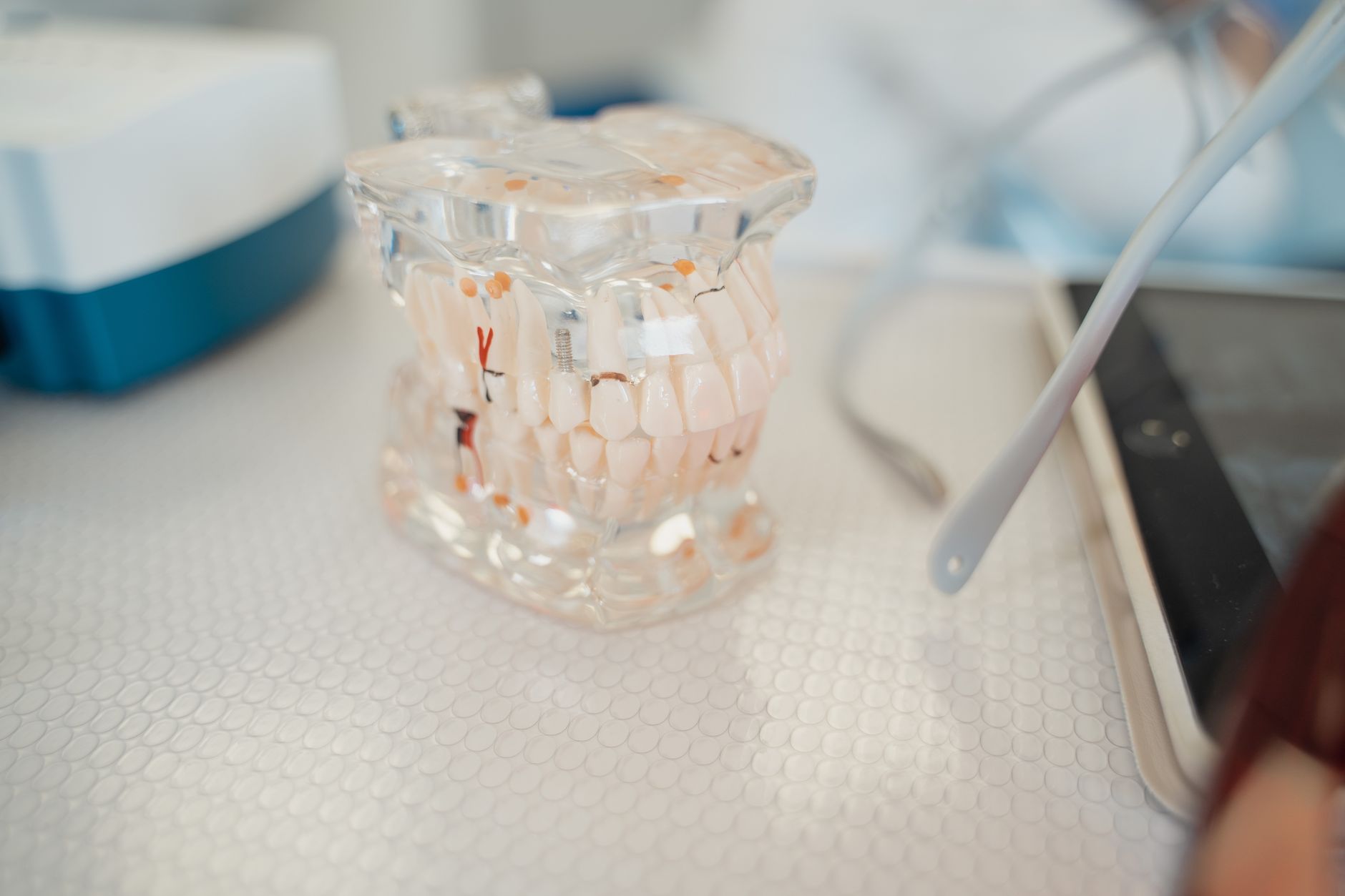
A Quietly Progressing Problem Around Implants: Peri-Implantitis
Even if your implant has seemed trouble-free in the mouth for a long time, the surrounding gum and bone tissue can be affected over time. Peri-implantitis is often noticed through bleeding, sensitivity, bad odor, or increased pocket depth around the implant; however, it can also progress without symptoms in the early stages.
This page presents treatment not as a single short procedure, but as a management process aimed at preserving the tissue around the implant and restoring oral balance. The goal is to stabilize the biological environment surrounding the implant and improve the chances of long-term use.
Safety and Clinical Standards in Peri-Implantitis Management in Turkey
In clinics evaluated within the scope of health tourism in Turkey, the Ministry of Health-approved Health Tourism Authorization Certificate provides an important safety framework. This certificate is meaningful in terms of recording processes, maintaining regular patient communication, and monitoring the treatment plan in a controlled way.
Doctors working in the field of peri-implantitis deal with a wide range of cases, especially when implant surface cleaning, soft tissue management, bone defect assessment, and advanced surgical approaches are required. In some centers in Turkey, 3D imaging, periapical evaluation, and pocket measurements are used together to analyze tissue loss around the implant more clearly.
Key Points Assessed During Evaluation
- Pocket depth around the implant and presence of bleeding
- Degree and extent of bone loss
- Biofilm accumulation on the implant surface
- Soft tissue thickness and keratinized tissue support
- Previous implant type, placement area, and duration of use
What Your Peri-Implantitis Treatment Package Includes
The package usually includes VIP transfer, hotel accommodation, interpreter support, and basic guidance needed for initial care, all organized within a single plan. This helps clinic visits, follow-up appointments, and daily arrangements proceed more smoothly.
For this treatment, the length of stay in Turkey is usually determined by the initial assessment and intervention plan; in simple cases, a short visit may be enough, while cases requiring advanced tissue preservation or surgery may need multi-stage follow-up. Before treatment, the implant area is examined in detail with digital X-rays, CBCT if needed, and intraoral measurements.
A More Comfortable Process with an Accompanying Person
During your clinic trip in Turkey, light activities can be planned with your companion without adding to the treatment burden. Calm seaside walks, hotel wellness services, and short cultural outings are among the options that can support the recovery period without being tiring.
Cost Comparison in Turkey, the UK, Germany, and the USA
The average cost of peri-implantitis treatment in Turkey varies depending on the extent of damage in the case and the tissue-preserving approach used, but in most plans it is assessed in the range of €900–€2,800. Advanced surgery, surface decontamination, and the need for regenerative materials can increase this range.
| Country | Average Price | Currency |
|---|---|---|
| Turkey | €900–€2,800 | EUR |
| United Kingdom | £1,500–£4,500 | GBP |
| Germany | €1,400–€4,200 | EUR |
| USA | $2,500–$7,500 | USD |
Factors That Determine the Price and Treatment Process
The doctor’s expertise and case experience
Peri-implantitis is an area that is not limited to surface cleaning alone; sometimes it requires surgical access, tissue reshaping, and bone support. If tissue loss around the implant is advanced, the doctor’s experience directly affects the number of treatment stages and the likelihood of success.
The method and materials used
One of the most important technical factors affecting the price is the scope of the approach to be used. Options such as mechanical decontamination, laser-assisted surface cleaning, implant surface-compatible antiseptic protocols, soft tissue grafting, or bone regeneration materials change the cost structure of treatment.
- Mechanical decontamination: Physical removal of buildup from the implant surface
- Soft tissue preservation: Increasing keratinized tissue support
- Regenerative approach: Use of supportive materials in areas with bone loss
The clinic’s location
There may be differences in procedure costs, imaging infrastructure, and follow-up organization between centers in major cities such as Istanbul, Ankara, and Izmir and clinics in smaller cities. Location affects not only the procedure fee but also accommodation and transportation planning.
Follow-Up, Lifestyle, and Long-Term Monitoring
Peri-implantitis management does not end on the day of treatment; regular check-ups, optimization of oral hygiene, and reduction of risk factors are necessary. In Turkey, some centers can continue the process after you return to your country through online follow-up consultations, photo review, and digital monitoring channels.
During this period, a personalized oral care plan is supported by gentle brushing, interdental cleaning, and professional maintenance intervals. If there is smoking, uncontrolled systemic disease, or irregular care habits, additional follow-up is planned to help maintain long-term stability.
What Questions Should Be Clarified Next?
Is it possible to treat while preserving the implant?
This question requires evaluation of the implant in terms of surface loss and bone support. In some cases the implant can be preserved, while in advanced damage a different plan may be considered.
In my case, is surgery or a non-surgical approach needed?
This distinction is made according to pocket depth, bone loss, and the biofilm load on the implant surface. A clear decision is not made without detailed imaging.
How does follow-up continue after returning from Turkey?
Remote check-ups, photo sharing, and evaluations at planned intervals are an important part of the process. This structure is used to monitor tissue stability after treatment.