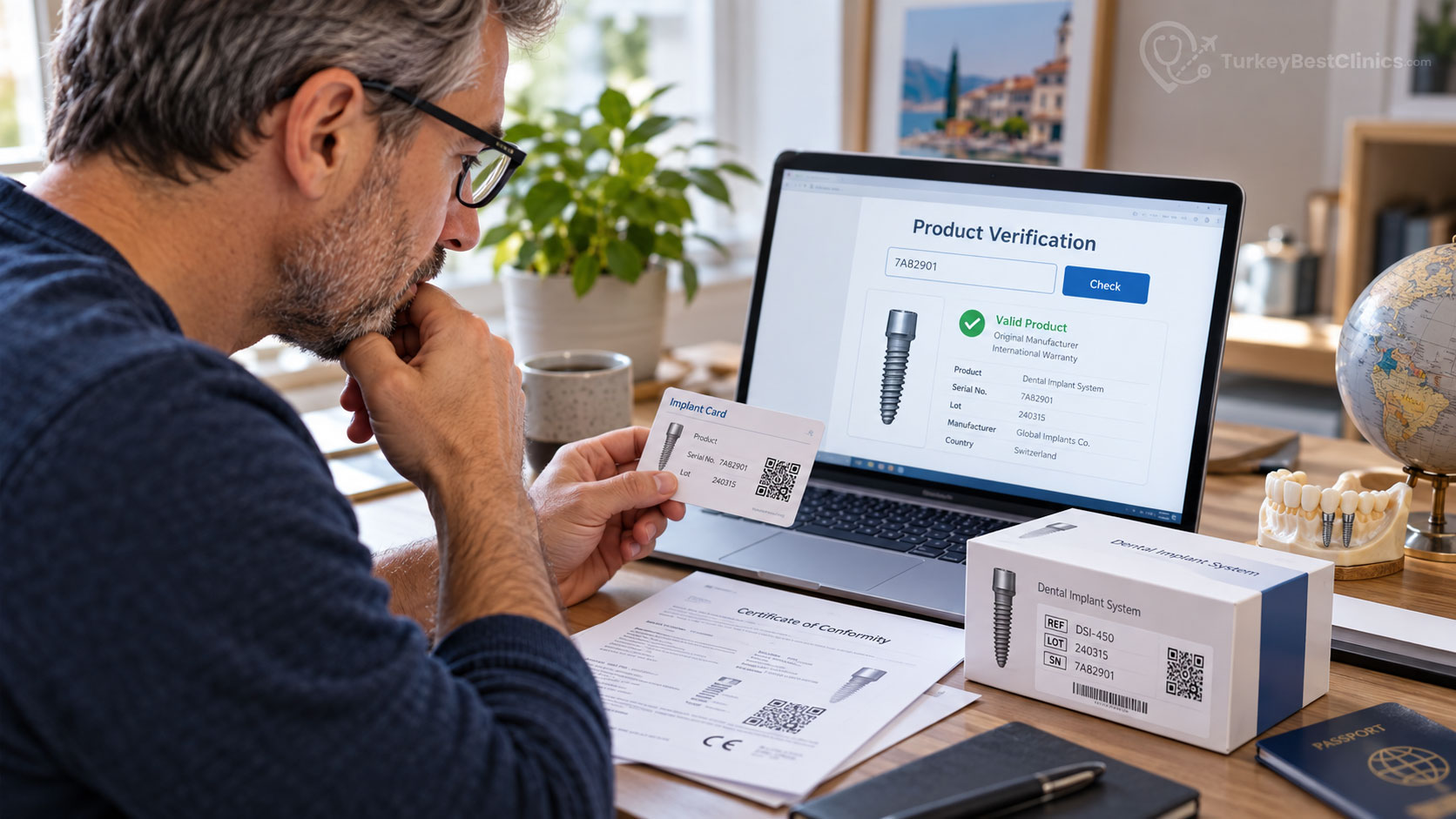
Short answer: Generally, no; a guarantee certificate issued in Turkey does not automatically become valid and binding in every country simply because it states that it is a guarantee. What the document guarantees, the duration and conditions attached to it, which company or doctor signed it, and which country's law will apply in the event of a dispute must all be assessed separately. Treat the document provided after dental treatment or a hair transplant not as a universal guarantee certificate recognized by an international public authority, but in most cases as part of a contractual undertaking between you and the clinic.
What does the international validity of a guarantee certificate depend on?
For a guarantee document to have practical value, it is not enough for it merely to be stamped or signed. The parties to the document, its scope, duration, exclusions, applicable law, and how you can assert your rights when necessary should all be clearly understood.
For example, a document issued for a dental veneer may cover a manufacturing defect, an application error, or only problems that arise within a specific period. In hair transplantation, the guarantee may be subject to different conditions, such as the survival rate of the transplanted grafts, the treated area, the possible need for additional sessions, or compliance with aftercare instructions. These statements do not produce the same legal outcome.
International validity refers to two separate issues: whether the document can be understood and used as evidence in another country, and whether the undertaking in the document can actually be enforced in another country. The first issue concerns the document itself, while the second relates to the contract and the dispute resolution mechanism.
Key differences between dental and hair transplant guarantees
In dental treatments, a guarantee is usually associated with a specific restoration, implant-supported component, veneer, or laboratory procedure. However, factors such as natural tooth tissue, oral hygiene, biting forces, smoking, trauma, and regular check-ups can affect the outcome. Therefore, the document may not automatically cover every fracture, discoloration, loosening, or treatment failure.
In hair transplantation, the outcome is assessed over a longer period. Graft development, the condition of the donor area, whether hair loss continues, the quality of the technique used, and aftercare are all important. Even if the guarantee certificate states a specific percentage outcome, it should also explain how that figure will be measured, when it will be assessed, and what remedy will be provided if the result is inadequate.
In both fields, a guarantee generally does not mean that health or aesthetic results are guaranteed without limitation. In written communications with the clinic, focus not on general promises but on the document's definitions, scope, exclusions, and remedy provisions.
International elements to check in the document
Before making a decision or payment, check whether the guarantee certificate is issued separately or as an attachment to the treatment contract. The following information should be clear and consistent, making the document easier to assess:
- Full identification of the parties: The clinic's or company's registered business name, physical address, legal entity issuing the document, and, where applicable, the details of the doctor performing the procedure should be stated. If the intermediary organization differs from the organization providing the healthcare service, this distinction should be clearly indicated.
- Subject of the guarantee: It should be clear whether the guarantee covers a dental implant, veneer, prosthesis, hair transplant grafts, or another procedure, and whether it applies to the product, workmanship, clinical follow-up, or repeat treatment.
- Duration and start date: Check whether the period begins on the treatment date, delivery date, or another event. A long stated duration does not by itself provide sufficient protection if the scope is unclear.
- Exclusions: The document should explain how situations such as trauma, inadequate oral care, smoking, treatment at another clinic, missed recommended check-ups, and weight or hormonal changes are handled.
- Form of remedy: A complimentary check-up, repeat treatment, replacement of a laboratory component, travel expenses, and a refund are not the same thing. Clarify which remedy the document provides and within what limits.
- Dispute resolution: Check who should receive a complaint first and through which channel, which country's law will apply, and how the competent court or alternative dispute resolution method will be determined.
- Language and translation: If there is a difference between the Turkish text and the translation provided to you, the document should state in writing which text prevails. Ask for an explanation of any technical or legal wording you do not understand before signing.
Practical steps to take before signing a guarantee document
Do not view the document merely as paperwork to be delivered after treatment. By requesting a draft during the decision-making stage, you can complete the following checks in writing:
- Request a copy of the document in advance. Rather than paying or finalizing travel plans before reviewing the content, assess the guarantee text together with the treatment plan and price quotation.
- Ask what the word guarantee means. Clarify whether it is a result guarantee, a materials guarantee, or a remedy for an application error. Request that verbal explanations be put in writing by email or in an appendix to the contract.
- Clarify how success will be measured. For hair transplantation, find out in which month the result will be assessed and using which photographs or clinical evaluation method. For dental treatment, ask which defects will fall within the guarantee.
- Have the overseas follow-up plan put in writing. Confirm in advance whether you will need to return to Turkey for follow-up, the limits of any remote assessment, and whether a report from a local dentist or dermatology specialist will be accepted.
- Separate the expenses. Even if repeat treatment is covered by the guarantee, the document should separately state who is responsible for flights, accommodation, transfers, tests, or local healthcare costs.
- Keep the documents. Store copies of the contract, guarantee certificate, invoice, payment records, before-and-after treatment photographs, information about the products or implants used, and correspondence in a secure place.
- Verify the authorized organization. Check through relevant official channels the official identity, authorization status, and consistency of the contact information of the healthcare provider and, where applicable, the intermediary organization.
Accreditation, product certification, and a guarantee are not the same
A clinic's quality or accreditation certificate does not mean that it guarantees a specific aesthetic or clinical outcome for you. Accreditations such as JCI relate to the assessment of an institution's particular quality and safety processes; they do not create an unlimited commitment to compensate for or repeat an individual procedure.
Similarly, the fact that an implant, dental material, or medical product bears a conformity mark such as CE does not show that the treatment will definitely succeed for you. Product conformity, the quality of clinical application, and the scope of the guarantee should be assessed separately. Focus less on the logos and seals on the certificate and more on who signed the document and what obligations they assumed.
What risks may arise if the guarantee is not honored?
When you travel to Turkey for treatment for only a short period, a problem may arise later in your country of residence. The clinic may ask you to return to Turkey for a reassessment; this can create time, transportation, and accommodation burdens. If the document does not expressly cover these expenses, the guarantee may not provide the practical protection you expected.
In addition, corrective treatment performed in another country may affect the original clinic's responsibility and the assessment of the guarantee. If you experience an urgent or significant health problem, promptly seek appropriate healthcare in the country where you are located; you can then continue communicating with the original clinic in writing and retain your medical records.
Important warning: a written guarantee is not an unlimited promise of results
Do not treat a guarantee certificate as an automatic document promising that the treatment will definitely succeed or that all expenses will be refunded. Refunds, revisions, additional sessions, and travel expenses may depend on the contract terms, the clinic's policy, the specific medical circumstances, and applicable legal rules.
Before signing, have the text explained in a language you can understand. If necessary, seek advice from an independent legal adviser or a consumer advice mechanism in your country; this page does not replace legal advice. Also verify authorization, complaint, and application options through the current official channels of the relevant authorities in Turkey.
Questions that may be asked in connection with this topic
- How can a clinic and intermediary organization be verified before receiving healthcare tourism services in Turkey?
- Which fee and revision terms should be stated in a dental treatment or hair transplant contract in Turkey?
- If I experience a problem after treatment in Turkey, how can I manage the complaint and medical records process?