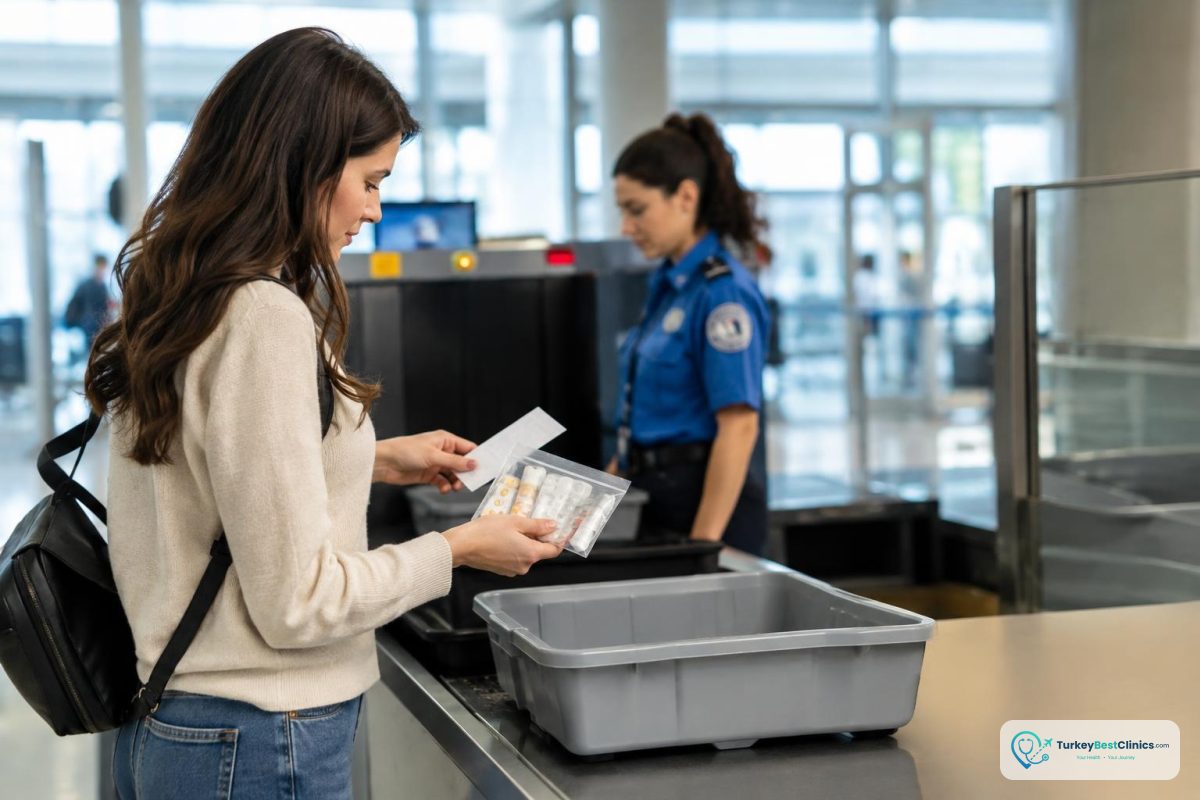
Additional documents and authorization may be required depending on the circumstances. Bringing a controlled prescription medicine to Turkey depends less on its brand name than on its active ingredient, whether it is classified as a narcotic or psychotropic substance, the quantity you are carrying and the length of your stay in Turkey. A prescription, doctor’s report, passport and the medicine’s original packaging may be among the essential documents; however, these may not be considered sufficient on their own for every medicine.
Before travelling, obtain written confirmation from the relevant Turkish health and customs authorities and from Turkish diplomatic missions regarding the medicine’s status in Turkey, whether authorization is required and the current application requirements. Since the assessment may vary depending on the active ingredient and the specific travel circumstances, a general prescription does not automatically guarantee entry.
Entry requirements for Turkey based on the active ingredient
For controlled medicines, the first consideration is the group in which the active ingredient is classified, rather than the brand name on the packaging. The same brand name may contain different ingredients in different countries, and the name used in Turkey may differ from the product name in your country. Therefore, ask your doctor and pharmacist for a document clearly stating the medicine’s active ingredient, dosage, pharmaceutical form and daily amount.
Medicines that may be considered narcotic or psychotropic substances may be subject to stricter documentation and quantity checks. Some medicines are prescription-only but may not be classified as controlled substances, while others may be routinely prescribed in your country but subject to special rules in Turkey. Do not determine the exact classification solely from online search results or the medicine’s brand name.
Medical information that documents should include
Your doctor’s report or prescription should clearly explain why you need the medicine and why continuity of treatment is necessary. Where possible, it is helpful for the document to include the doctor’s name, specialty, signature, date of issue and professional contact details.
- The medicine’s active ingredient and brand name
- The dosage in each tablet, capsule, ampoule or unit of measurement
- The daily amount and frequency of use
- The planned treatment duration and total quantity to be carried
- A medical assessment explaining that the medicine is necessary for your ongoing treatment
- The doctor’s signature and verifiable professional details
Including the diagnosis in the document may be necessary or helpful in some circumstances; however, the details requested may vary according to the relevant authority’s procedures. The document may need to be prepared in English or Turkish and, where required, submitted with an authorized translation. Confirm the translation requirement through official channels before travelling; do not assume that an unofficial translation you prepare yourself will be sufficient.
Document file to prepare for entry into Turkey
Preparing documents in both printed form and as secure digital copies can make it easier to provide explanations during border crossings or an unexpected health assessment. Digital copies may not replace the original documents, so carry the original paperwork with you as well.
- A valid passport or travel document
- The medicine’s original packaging and pharmacy label
- An up-to-date prescription and detailed doctor’s report
- A medical letter explaining the active ingredient and dosage
- An authorized translation, if required
- Any authorization or written approval obtained for bringing the medicine into Turkey
- Documents showing your flight and accommodation dates
- A brief doctor’s note explaining why your ongoing treatment should not be interrupted
Do not transfer medicines into another container, remove the label or carry them in a way that makes them appear to have been obtained without a prescription. If you take more than one medicine, prepare a list showing the active ingredient and dosage of each product separately. Ensuring that the total quantity stated in the doctor’s report matches the quantity you are carrying may make the explanation process easier.
How can you confirm whether prior authorization is required?
Whether prior authorization is required may depend on whether the medicine is classified as a controlled substance, the quantity involved and the length of your stay in Turkey. Therefore, do not act as though there is one general authorization rule. Confirm the same information with the relevant Turkish health authority, customs units, Turkish consular or embassy offices and, where necessary, the authorized medicines authority in your country.
When requesting written confirmation, provide the active ingredient rather than only the brand name, together with the dosage, daily amount, total number of tablets or millilitres, the length of your stay in Turkey and the border crossing or airport where you will enter. Keep the dates and application references of responses received from official authorities. A verbal telephone conversation may not replace documentation at the border.
If you will receive treatment or healthcare services in Turkey, you may also ask the healthcare provider assisting you for support on this matter. However, general information provided by a clinic or intermediary organization does not replace an authorization or acceptance decision by the official authorities. Separately confirm responsibility for obtaining medicine-related authorization with the relevant public authorities before travelling.
Practical checks at the airport and customs
Rather than placing a controlled medicine in checked baggage, it is generally safer to carry it in your hand luggage together with the required documents. Lost or delayed baggage and temperature conditions may disrupt your treatment plan. You should also check the airline’s rules on carriage, security and liquids.
- Carry the medicine in its original packaging with a clearly readable label.
- Keep the prescription and doctor’s report in a readily accessible file.
- Carry a printed copy of any authorization or written approval.
- Compare the quantity you are carrying with the quantities stated on the prescription and report.
- Find out in advance whether a customs declaration is required.
- During an inspection, use your documents to explain that the medicine is being carried for your personal, ongoing treatment.
- Do not carry medicine using documentation issued in someone else’s name.
Customs officers may request additional information about the nature, quantity or documentation of the medicine. Answer questions clearly and consistently; do not try to conceal an undocumented product, present it as a different product or carry it among another person’s belongings. The required declaration and inspection procedures may vary depending on the practices at the point of entry and the medicine’s classification.
Warnings about carrying medicines without documents and interrupting treatment
Carrying medicine without the required documents may increase the risk of it being held by customs, refused entry into the country or resulting in other administrative or legal consequences. Therefore, do not rely solely on having previously carried the medicine without problems or on the fact that it is sold by prescription in your country. The regulations in Turkey may not be the same as those in your country of departure.
If your medicine may run out during your trip, research in advance whether the same active ingredient can be obtained legally in Turkey. A doctor in Turkey may need to carry out a new assessment, issue a local prescription or request different documentation; this process is not automatic. Do not reduce, stop or replace your medicine on your own. Discuss any medical changes with the doctor managing your treatment.
Since authorization requirements, document formats and procedures may change over time, do not rely on outdated information obtained months before your trip. Obtain up-to-date official confirmation close to your flight date and keep the responses in your travel file. This page is for general information only and does not replace personalized legal or medical advice.
Questions you may wish to ask about this topic
- If my controlled medicine runs out in Turkey, how can I legally obtain the same active ingredient?
- Do my prescription or doctor’s report need to be translated and certified in Turkey?
- Which country’s rules should I consider when taking my medicine from Turkey to another country?