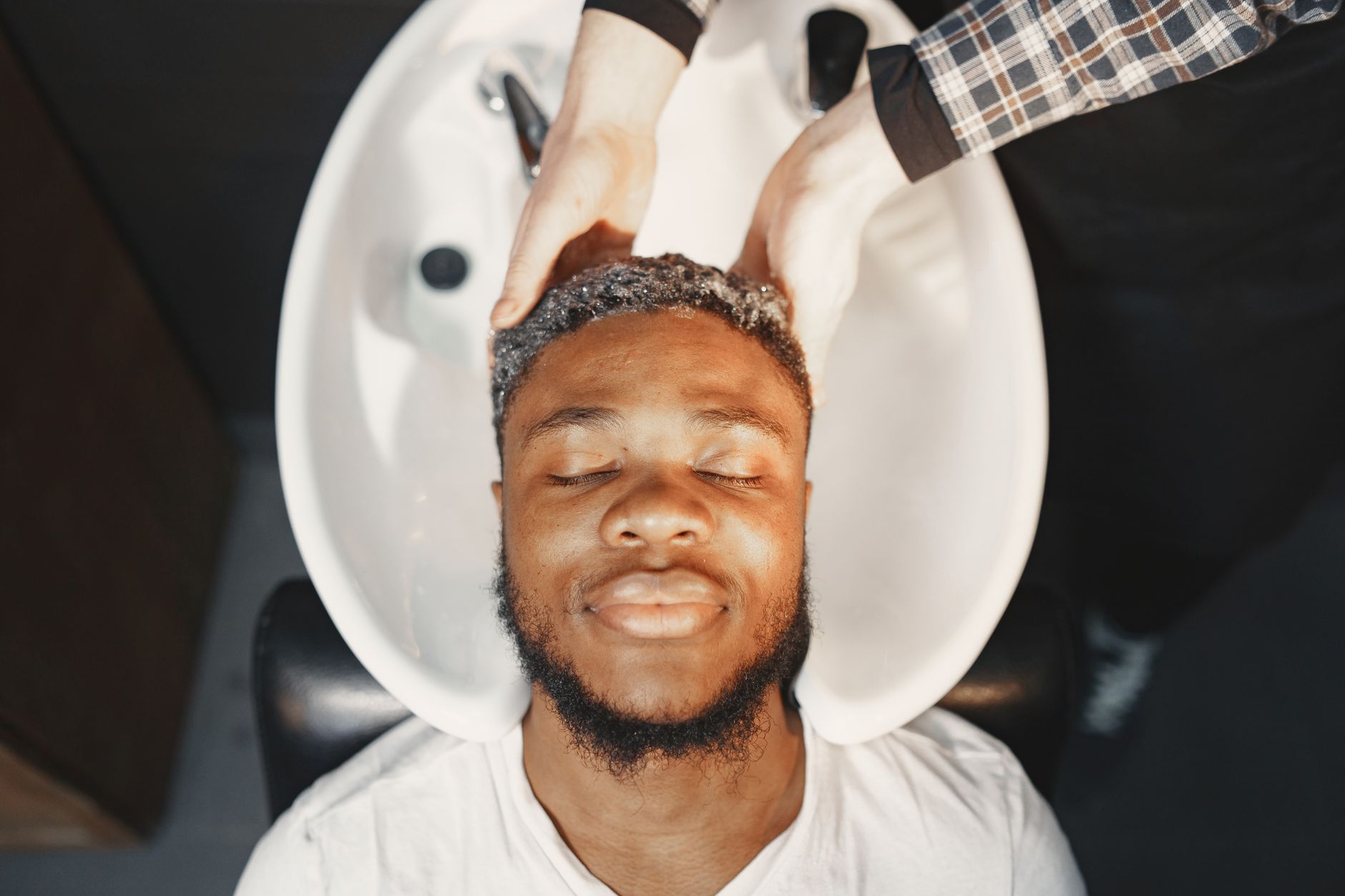
What Hair Transplant Washing and PRP Follow-Up Really Involves
After FUE, DHI, or sapphire-blade channel-opening techniques performed in Turkey, much of the aftercare begins when you return home. The first wash, scab management, contact with the recipient area, and monitoring of scalp changes are managed through the written instructions provided to you and the clinic team you can contact directly.
After returning home, it is not always possible for one person to manage the entire process. Typically, the surgeon who performed the hair transplant conducts the medical assessment, the international patient coordinator manages photographs and appointment scheduling, and a doctor in your country provides support when an in-person examination is needed.
Turkish Standards for Safe Follow-Up After FUE and DHI
Check whether the provider you choose for your hair transplant holds a Health Tourism Authorization Certificate issued by the Ministry of Health of the Republic of Türkiye. This certificate indicates that the provider is authorized to offer international healthcare services; it does not guarantee treatment results. The surgeon’s area of expertise, who performs the procedure, how grafts are harvested and implanted, and the follow-up protocol should also be assessed separately.
Concrete factors evaluated by Turkish hair transplant teams during FUE and DHI procedures include donor-area density, the number of hairs per graft, how well the hairline suits the facial proportions, and the planning of implantation angles. In FUE, grafts may be harvested using a micromotor or manual punch; in DHI, they may be implanted using an implanter pen. These technical differences can affect not only the procedure day but also the washing instructions and the follow-up plan during the first week.
Checklist for the Authorization Certificate and Communication with the Surgeon
- Ask whether the Health Tourism Authorization Certificate is current and confirm at which facility the procedure will be performed.
- Obtain written confirmation of the name, area of expertise, and role at the clinic of the surgeon performing the procedure.
- Clarify whether the first wash will be performed at the clinic or at your accommodation, and on which day.
- Obtain written details of the methods for sending photographs, arranging video consultations, and contacting the clinic in an emergency after returning home.
- Find out whether PRP is a routine requirement or a treatment decided separately based on the scalp and clinical assessment.
Planning After Returning Home as Part of a Hair Transplant Package
Depending on the package, services may include VIP airport transfers, hotel accommodation, interpreter support, and initial care products or essential materials required after the procedure. The offer document should clearly state how many nights and transfers are included and which products are provided.
For hair transplants, the stay in Turkey is planned for approximately 3 to 5 days in many protocols; the initial assessment, procedure, and clinic-based wash may be scheduled during this period. Before departure, photographs of the donor and recipient areas should be taken, the steps for the first at-home wash should be demonstrated, and a personalized care schedule should be prepared. Sending photographs in the same lighting and from the same angle, with the scalp clean, makes remote assessment easier.
Follow-Up File to Receive Before Returning Home
- Procedure date, technique used, and approximate number of grafts
- Pre- and post-procedure photographs of the donor and recipient areas
- Written instructions for the sequence of the first and subsequent washes
- Follow-up dates and the clinic’s accessible contact details
- If PRP is planned, its purpose, recommended timing, and who will perform it
- The type of doctor or clinic to contact in your country if an examination is needed
Hair Transplant and Follow-Up Costs in Turkey
In Turkey, packages that include a hair transplant, the first wash, and basic remote follow-up may generally range from approximately €1,800 to €4,000, depending on the number of grafts and whether an FUE or DHI protocol is used. This is a general market estimate and does not replace an individual quotation. PRP sessions, additional nights, advanced blood tests, travel outside the city, and in-person follow-up after returning home may be charged separately.
| Country | Approximate range for hair transplant and basic follow-up | Items that may be excluded from the price |
|---|---|---|
| Turkey | €1,800–€4,000 | Additional PRP, extra accommodation, local doctor’s examination |
| United Kingdom | £4,000–£10,000 | Non-medication care products, additional check-ups, and revision assessment |
| Germany | €3,500–€8,000 | Additional charges based on graft number and local follow-up |
| United States | $5,000–$15,000 | Examination, laboratory tests, PRP, and travel expenses |
When requesting a quotation, look beyond the total price. Check how many remote follow-up appointments are included after you return home, who will perform the first wash, and whether the PRP fee is included in the package. Price comparisons can be misleading when they are not based on the same graft range and the same level of follow-up.
Factors Determining the Price and the Process After Returning Home
- The surgeon’s expertise and experience: Hairline design, preservation of a limited donor area, correction of a previous transplant, or planning a high graft count may make the surgeon’s experience more important. Also ask whether the surgeon personally participates in follow-up consultations and who evaluates the photographs.
- Choice of technique and equipment: FUE, DHI, and sapphire-blade channel opening are not the same procedure. Punch diameter, motorized or manual graft harvesting, use of an implanter pen, and graft holding time may affect both the price and the care instructions. If PRP is planned, the quotation should also specify how the blood sample will be prepared and how many sessions are recommended.
- Clinic location: Choosing a clinic in Istanbul, Ankara, Izmir, or another city can change transfer, accommodation, and additional follow-up costs. Distance from the airport, the need to remain in the same city after the procedure, and planning the final check before returning home may affect the total budget.
None of these three factors alone means that the outcome will be better. Particularly when follow-up is remote, the process should define in writing who will make clinical decisions and when an in-person examination will be requested.
Next Steps in Hair Transplant Follow-Up After Returning Home
During the first week, the main priorities are preventing friction against the recipient area and avoiding forceful removal of scabs. The timing and method of the first wash may vary depending on the technique used and the surgeon’s protocol; therefore, follow the written instructions provided to you rather than general advice found online.
In many follow-up plans, the clinic requests photographs during the first few days; assesses scabbing at approximately days 7–14, temporary shedding around the first month, and new growth during the third and sixth months. The assessment around the twelfth month may be when hair density and hairline design can be evaluated more meaningfully. These dates are not fixed and may vary according to the surgeon’s assessment.
Three Specific Questions to Ask After Returning Home
- On which day and using which technique should I wash my hair for the first time? After a DHI or FUE procedure, clarify the sequence provided by the clinic for applying foam, rinsing, towel-drying, and touching the scabs.
- Should I have my PRP session in Turkey or in my home country? Whether PRP is needed, when it should be performed, and whether the practitioner is medically qualified should be determined through a scalp assessment; this decision should not be made solely through remote communication.
- For which findings are online photographs not sufficient? If you experience increasing pain, marked swelling, intense redness, discharge, fever, or an unexpected change in the recipient area, contact the clinic on the same day and ask whether an in-person medical assessment is needed in your country.
Before signing, compare the follow-up period, number of video consultations, method for sending photographs, PRP coverage, and who will pay for local medical examinations if they become necessary. This helps prevent an unclear gap between the procedure in Turkey and your care after returning home.