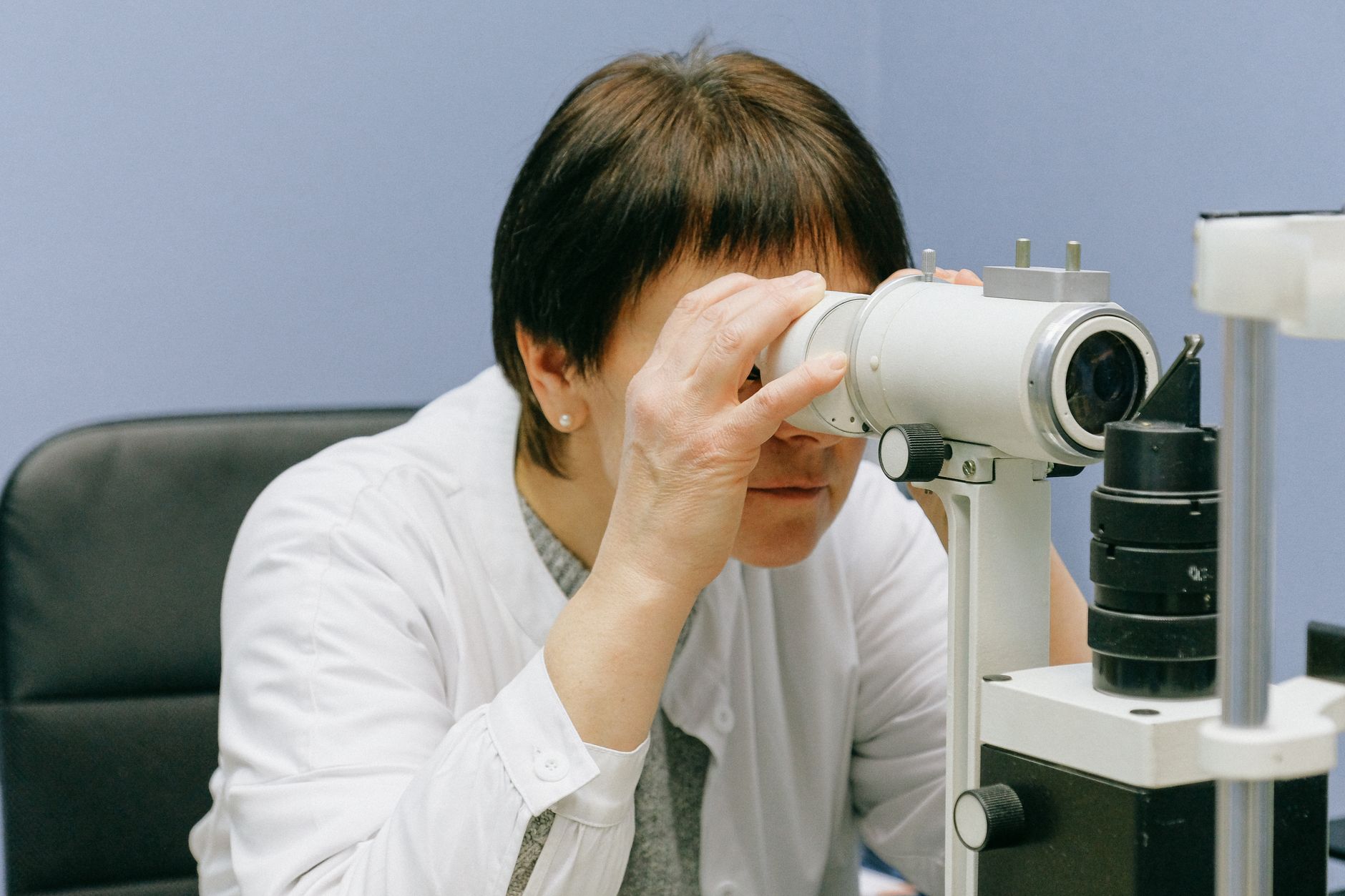
The Path to Clear Vision in Hyperopia
Hyperopia is a refractive error that can make reading up close, using screens, and seeing fine details more difficult. Depending on the eye structure, prescription level, and cornea/lens characteristics, different treatment approaches are planned; the goal is not only to reduce the prescription, but also to provide more balanced and comfortable vision in daily life.
In Turkey, this process does not follow a single template from the first evaluation to treatment selection. Eye health history, age, dry eye tendency, corneal thickness, and expectations are assessed together.
Safety and Clinical Standards in Hyperopia Treatment in Turkey
In clinics with a Health Tourism Authorization Certificate approved by the Republic of Turkey Ministry of Health, the process is structured through examination, device-based measurements, planning, and follow-up steps. This framework makes communication, registration, and the treatment flow more predictable for international patients.
Eye doctors working in the field of hyperopia manage a wide variety of cases, including laser suitability, dependence on glasses, age-related lens changes, and differences in prescription between the two eyes. Decisions such as LASIK, PRK, evaluations outside SMILE, phakic lens options, and refractive lens exchange are personalized according to measurement results.
Key Points Assessed During Evaluation
- Corneal thickness and surface regularity
- Whether the prescription is stable
- Signs of dry eye
- Retina and intraocular pressure assessment
- Age-related lens changes
What Is Included in a Hyperopia Treatment Package?
Packages usually include VIP transfer, hotel accommodation, interpreter support, and initial care/medication arrangements. For hyperopia, the first examination also includes corneal topography, refraction measurement, tear film evaluation, and, when needed, pupil measurement; therefore, the stay in Turkey is often short but intensive in terms of testing.
With your companion, you may choose calm city walks that do not interfere with the treatment flow, hotel wellness areas, and short cultural visits. This eye-friendly pace aligns well with the need for rest after the procedure.
How is long-term follow-up and lifestyle planning supported?
Hyperopia is often not limited to a one-time procedure; follow-up becomes especially important in those with age-related near vision changes and a tendency toward dry eye. After returning to your country, the process can continue with online follow-up consultations, digital symptom tracking, and measurement sharing when needed.
- Dry eye complaints can be monitored regularly.
- Personal recommendations can be provided for screen use and reading habits.
- Vision quality can be reassessed through remote follow-up appointments.
Cost of Hyperopia Treatment in Turkey, the UK, Germany, and the USA
The average cost of hyperopia treatment in Turkey varies depending on the chosen method, but is generally planned in the range of €1,200–€3,000. Laser suitability, lens-based solutions, and additional tests may affect this range.
| Country | Average Price | Currency |
|---|---|---|
| Turkey | €1,200–€3,000 | EUR |
| United Kingdom | £2,000–£4,500 | GBP |
| Germany | €2,000–€4,800 | EUR |
| USA | $3,000–$6,500 | USD |
Factors Affecting Price and Process
- Doctor’s expertise and experience: In eyes with high hyperopia, accompanying astigmatism, or age-related lens changes, decision-making is more detailed.
- Technology and method: Options such as excimer laser, femtosecond-assisted LASIK, PRK, phakic lens, or refractive lens exchange create different costs depending on corneal structure and age.
- Clinic location: In centers located in major cities, device infrastructure, procedure planning, and follow-up organization may affect the price.
The most important point here is that no single method is suitable for everyone. In addition to the level of hyperopia, the need for near reading, expectations for night vision, and corneal suitability are evaluated together.
What Questions Come Up After Hyperopia Treatment?
Which method is more suitable for my eye structure?
When corneal thickness, age, prescription level, and dry eye tendency are reviewed together, it becomes clearer whether a laser or a lens-based solution is more appropriate.
Will my near vision improve immediately after the procedure?
Recovery time varies depending on the chosen method; in some plans, fluctuations in the first few days are considered normal.
How long should I plan to stay in Turkey?
Because of pre-tests and follow-up appointments, most plans require a short stay; the exact duration is determined by the chosen method.
Choosing the right center for hyperopia treatment is not limited to the day of the procedure. When measurement quality, personal follow-up planning, and communication support after returning to your country are considered together, the experience becomes safer and more predictable.